
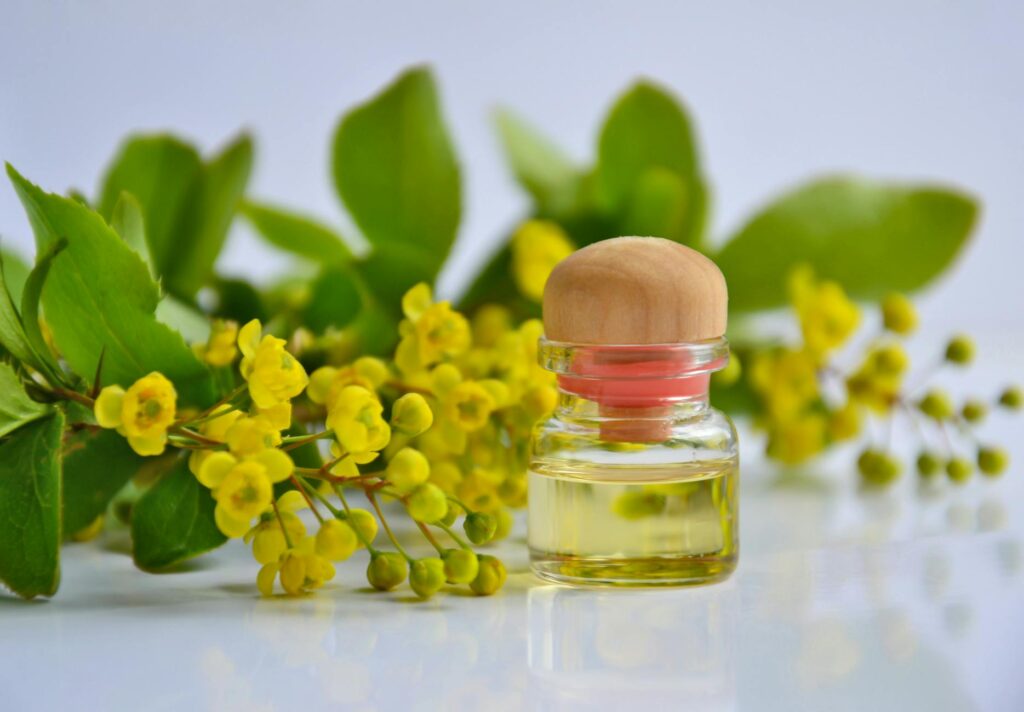
Complete Guide to Schisandra Extract
Introduction
Schisandra extract, derived from the berries of the Schisandra chinensis plant, has gained recognition in both traditional and modern wellness practices. Often referred to as the “five-flavor fruit,” Schisandra is unique for its complex flavor profile, which encompasses sweet, sour, salty, bitter, and pungent notes. This guide aims to provide an in-depth understanding of Schisandra extract, including its properties, benefits, common uses, and applications in aromatherapy.
What Is Schisandra Extract?
Schisandra chinensis, a deciduous climbing vine native to China and parts of Russia, has been utilized in Traditional Chinese Medicine (TCM) for centuries. The extract is primarily obtained from the dried berries of the plant, which are rich in bioactive compounds. Schisandra extract is typically available in various forms, including powders, tinctures, and essential oils.
The berries contain a range of phytochemicals such as lignans, vitamins, and antioxidants, contributing to their diverse health-promoting properties. The extraction process often involves solvent extraction, steam distillation, or cold pressing, depending on the specific use of the extract.
Key Benefits and Properties
Antioxidant Properties
One of the most notable attributes of Schisandra extract is its high antioxidant content. Antioxidants help combat oxidative stress by neutralizing free radicals in the body, potentially reducing the risk of chronic diseases.
Adaptogenic Qualities
Schisandra is classified as an adaptogen, meaning it may help the body adapt to stressors and maintain balance. This quality has made it a popular choice for individuals seeking to enhance resilience to physical and emotional stress.
Immune Support
Some studies suggest that Schisandra extract may bolster immune function. The compounds present in Schisandra are believed to enhance the activity of immune cells, thereby promoting overall health.
Liver Health
Schisandra has been traditionally used to support liver function. It may aid in detoxification processes and protect liver cells from damage, although more research is needed to fully understand these effects.
Cognitive Enhancement
Preliminary research indicates that Schisandra may have neuroprotective effects, potentially enhancing cognitive function and memory. This makes it an area of interest for those seeking natural cognitive support.
Common Uses
Schisandra extract is versatile and can be incorporated into various wellness routines. Some common uses include:
Dietary Supplements
Schisandra is often available in capsule or powder form as a dietary supplement. These supplements are typically taken to harness the plant’s adaptogenic and antioxidant benefits.
Herbal Teas
Dried Schisandra berries can be brewed into herbal teas. The infusion not only offers a unique flavor experience but may also provide a range of health benefits.
Skincare Products
Due to its antioxidant properties, Schisandra extract is increasingly found in skincare formulations. It is believed to help protect the skin from environmental stressors and promote a healthy complexion.
Culinary Uses
In some cultures, Schisandra berries are used in cooking. They can be added to soups, sauces, or even desserts, imparting a rich flavor while offering health benefits.
Aromatherapy Applications
While Schisandra extract is not as commonly recognized in aromatherapy as other essential oils, it can still play a role in enhancing emotional well-being and promoting relaxation.
Diffusion
Schisandra essential oil may be diffused in a space to create a calming environment. Its complex aroma can help balance the senses and enhance focus during meditation or yoga practices.
Massage Oils
When diluted in carrier oils, Schisandra extract can be used in massage blends. The adaptogenic properties may help relax the body and mind, making it suitable for stress relief.
Inhalation
Inhaling the aroma of Schisandra essential oil can be a soothing experience. It may help ground the mind and promote a sense of tranquility.
Safety Considerations
While Schisandra extract is generally considered safe for most individuals, there are a few safety considerations to keep in mind:
Allergic Reactions
As with any herbal product, some individuals may experience allergic reactions to Schisandra. It is advisable to conduct a patch test before using it topically or to consult with a healthcare professional if unsure.
Interaction with Medications
Schisandra may interact with certain medications, including those metabolized by the liver. Individuals taking prescription drugs should consult a healthcare provider before incorporating Schisandra extract into their regimen.
Pregnant and Nursing Women
Pregnant or nursing women should exercise caution when using Schisandra extract, as its safety during these periods has not been well-studied.
Storage and Shelf Life
To maintain the potency and effectiveness of Schisandra extract, proper storage is essential.
Storage Conditions
- Cool, Dry Place: Store Schisandra extract in a cool, dry location away from direct sunlight and heat sources.
- Tightly Sealed Container: Ensure that the container is tightly sealed to prevent moisture and air exposure, which can degrade the extract.
Shelf Life
The shelf life of Schisandra extract varies depending on the form and storage conditions. Generally, it can last from one to three years if stored correctly. Always check for any changes in color, smell, or consistency before use.
Frequently Asked Questions
1. What does Schisandra extract taste like?
Schisandra has a unique flavor profile characterized by sweet, sour, salty, bitter, and pungent notes. This complexity makes it an interesting addition to various culinary applications.
2. How is Schisandra extract used in skincare?
Schisandra extract is often incorporated into skincare products for its antioxidant and protective properties. It may help combat signs of aging and promote a radiant complexion.
3. Can Schisandra extract be used by everyone?
While Schisandra extract is safe for most individuals, it is advisable for those with specific health concerns or who are pregnant to consult a healthcare provider before use.
4. How can I incorporate Schisandra extract into my daily routine?
Schisandra extract can be taken as a supplement, brewed into tea, used in skincare products, or added to food. Its versatility allows for various methods of incorporation.
5. Are there any side effects associated with Schisandra extract?
Generally, Schisandra is well-tolerated, but some individuals may experience digestive issues or allergic reactions. It is important to start with small doses and monitor for any adverse effects.
Conclusion
Schisandra extract is a fascinating botanical with a rich history and a diverse range of potential benefits. From its antioxidant properties to its adaptogenic qualities, Schisandra can be a valuable addition to various wellness practices. Whether used in dietary supplements, skincare, or aromatherapy, this extract offers a unique way to harness the power of nature. Always remember to approach any new supplement or herbal product with mindfulness and awareness of individual health needs.