
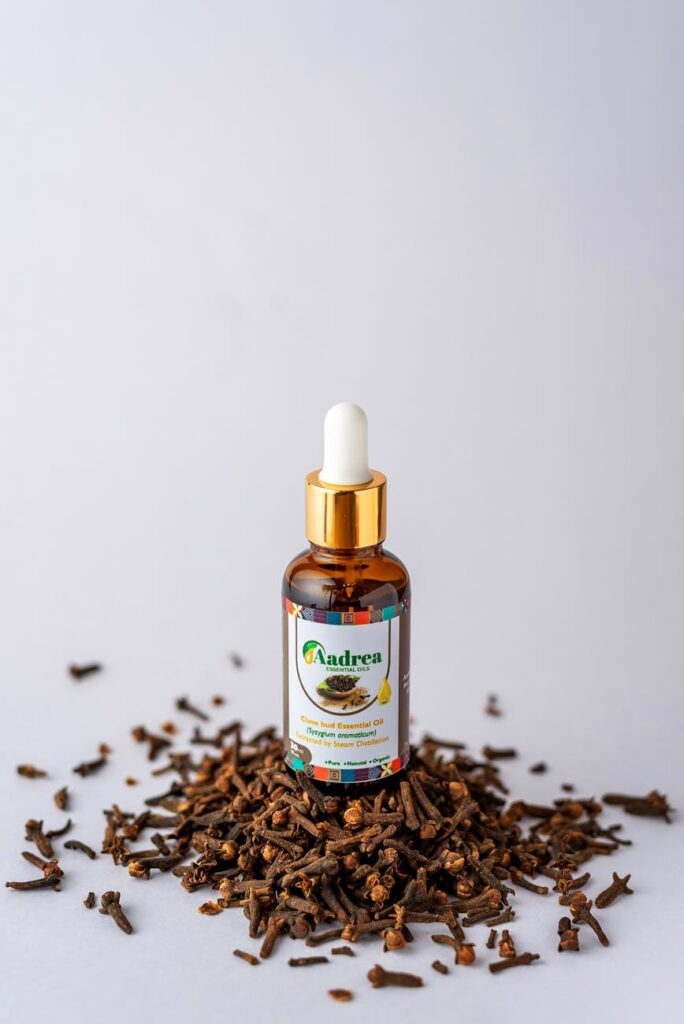
Complete Guide to Solvent Extraction Oils
Introduction
In the world of essential oils and aromatherapy, understanding the method of extraction is crucial for appreciating the quality and characteristics of the oils produced. Among various extraction methods, solvent extraction stands out for its ability to capture the complete aromatic profile of plants. This guide provides a comprehensive overview of solvent extraction oils, covering their definition, benefits, applications, safety considerations, and more.
What Is Solvent Extraction Oils?
Solvent extraction is a method used to obtain essential oils and aromatic compounds from plant materials, particularly those that are delicate or sensitive to heat. This extraction technique involves using a solvent—often a hydrocarbon such as hexane, or an alcohol—to dissolve the desired compounds from the plant material.
The process typically follows these steps:
1. Preparation: The plant material is first dried and then ground to increase the surface area for extraction.
2. Extraction: The chosen solvent is applied to the plant material. The solvent penetrates the plant cells and dissolves the essential oils.
3. Evaporation: The mixture of solvent and essential oils is then subjected to evaporation, which removes the solvent, leaving behind a concentrated oil or resin.
4. Final Product: The resulting oil may also undergo further purification to achieve the desired quality.
The oils obtained through solvent extraction are often referred to as “absolutes” and are characterized by a rich and complex aroma, making them highly valued in perfumery and aromatherapy.
Key Benefits and Properties
Solvent extraction offers several benefits compared to other methods like steam distillation:
- Comprehensive Aroma: This method captures a broader range of aromatic compounds, including those that might be lost during distillation due to heat sensitivity.
- Diverse Applications: The resulting absolutes can be used in various sectors, including perfumery, cosmetics, and aromatherapy.
- Versatility in Plant Material: Solvent extraction is suitable for various types of plants, especially fragile flowers and delicate leaves that would not withstand steam distillation.
- Perfumery: Due to their rich scent profiles, absolutes are often employed in high-end perfumes, where the depth of aroma plays a crucial role.
- Cosmetics: Many skincare products incorporate these oils for their fragrance and potential skin benefits, as they can enhance sensory experiences.
- Aromatherapy: While not as commonly used as steam-distilled oils, they can still play a role in creating personalized blends for diffusers or personal inhalers.
- Flavoring: Some solvent extraction oils are used in food products, contributing unique flavors and aromas.
- Diffusion: Absolutes can be added to a diffuser to fill a space with their complex aromas. Popular choices include jasmine and rose absolutes.
- Massage Oils: When blended with carrier oils, these oils can enhance the sensory experience during massage, promoting relaxation and emotional well-being.
- Bath Products: Incorporating solvent extraction oils into bath salts or oils can transform a bathing experience into a fragrant retreat.
- Personal Fragrances: Due to their rich and multifaceted scents, these oils are often used in creating custom perfumes.
- Purity: Ensure that the oil is of high quality and free from residual solvents. Poor quality oils may contain harmful substances.
- Skin Sensitivity: Conduct a patch test before applying any oil topically, as some individuals may experience allergic reactions or sensitivities.
- Dilution: Always dilute concentrated oils with a carrier oil before applying them to the skin.
- Consultation: If you are pregnant, nursing, or have any medical conditions, consult with a qualified professional before using these oils in aromatherapy.
- Containers: Store oils in dark glass containers to protect them from light, which can degrade their quality.
- Temperature: Keep oils in a cool, dry place away from direct sunlight and heat sources to prolong their shelf life.
- Shelf Life: The shelf life of solvent extraction oils can vary, typically ranging from one to three years, depending on the oil type and storage conditions. Always check for changes in scent, color, or viscosity before use.
The chemical composition of solvent extraction oils can vary significantly depending on the plant source and extraction method. They typically contain a complex blend of terpenes, esters, alcohols, and other organic compounds, which contribute to their unique scents and properties.
Common Uses
Solvent extraction oils are widely used across different industries:
Aromatherapy Applications
In aromatherapy, solvent extraction oils can be used to create a soothing and pleasant atmosphere. Here are some common applications:
While the aromas can evoke emotional responses and create an ambiance, it is essential to note that the effects can vary from person to person.
Safety Considerations
While solvent extraction oils offer many benefits, certain precautions are essential to ensure safe use:
Storage and Shelf Life
Proper storage is crucial to maintain the quality and efficacy of solvent extraction oils:
Frequently Asked Questions
1. Are solvent extraction oils safe to use?
When sourced from reputable suppliers and used correctly, solvent extraction oils can be safe. Always conduct patch tests and consult professionals if you have specific health concerns.
2. How do solvent extraction oils differ from essential oils?
Solvent extraction oils, or absolutes, are obtained using solvents, preserving a more complex scent profile. In contrast, essential oils are primarily obtained through steam distillation or cold pressing, which may result in a different aromatic profile.
3. Can I use solvent extraction oils in cooking?
While some solvent extraction oils are used in food flavoring, not all are safe for culinary use. Always ensure that the oil is food-grade and consult relevant guidelines.
4. How can I incorporate solvent extraction oils into my daily routine?
Consider adding them to diffusers, bath products, or cosmetics. They can also enhance massage oils, providing a fragrant and relaxing experience.
5. Where can I find high-quality solvent extraction oils?
Look for suppliers who specialize in aromatherapy and essential oils. Always read product descriptions and reviews to ensure quality.
Conclusion
Solvent extraction oils offer a unique and rich aromatic experience, making them valuable in various applications, from perfumery to aromatherapy. By understanding the extraction process, benefits, and proper usage, individuals can appreciate the depth and complexity these oils bring to their lives. As with any essential oil, it is essential to approach them with knowledge and respect, ensuring safe and enjoyable experiences.