
Complete Guide to Spice Extracts
Introduction
Spice extracts have captivated humanity’s senses for centuries, serving not only as culinary enhancements but also as sources of therapeutic properties. The extraction of essential oils from spices has led to a burgeoning interest in aromatherapy, culinary arts, and holistic wellness. This guide aims to provide a comprehensive understanding of spice extracts, their benefits, uses, and essential considerations for safe practices.
What Is Spice Extracts?
Spice extracts are concentrated forms of the aromatic compounds derived from various spices. These extracts can be obtained through various methods, including steam distillation, cold pressing, and solvent extraction. Unlike whole spices, which contain a complex mixture of compounds, extracts provide a more potent concentration of specific aromatic constituents.
Common spices used for extraction include:
- Cinnamon (Cinnamomum verum)
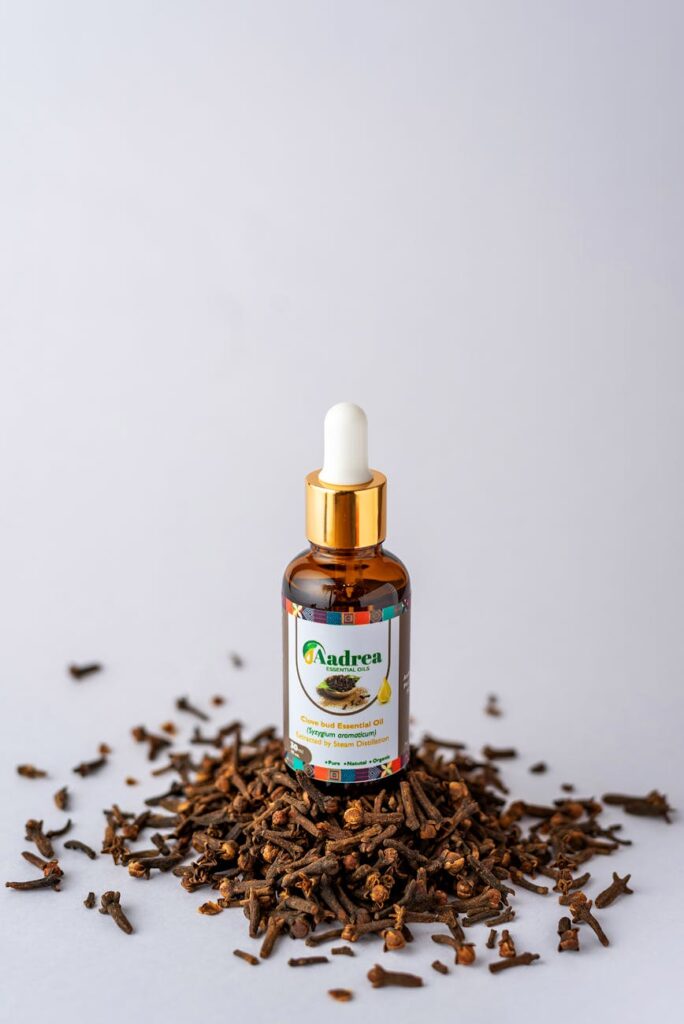
- Clove (Syzygium aromaticum)
- Ginger (Zingiber officinale)
- Cardamom (Elettaria cardamomum)
- Pepper (Piper nigrum)
- Flavoring: Spice extracts are commonly used to enhance the flavor of baked goods, sauces, marinades, and beverages.
- Preservation: Due to their antimicrobial properties, spice extracts can be utilized in food preservation.
- Fragrance Creation: The unique scents of spice extracts make them popular in the formulation of perfumes and scented products.
- Home Fragrance: They can be used in diffusers, candles, and potpourri to create inviting atmospheres.
- Antimicrobial Solutions: The inherent antimicrobial properties of certain spice extracts make them suitable for use in eco-friendly cleaning products.
- Diffusion: Adding a few drops of spice extracts to a diffuser can fill a room with aroma, potentially enhancing mood and relaxation.
- Massage Oils: Diluting spice extracts in carrier oils can create aromatic massage oils that provide both scent and potential therapeutic benefits.
- Bath Products: Incorporating spice extracts into bath oils or salts can create a soothing and aromatic bathing experience.
- Cool, Dark Place: Store spice extracts in a cool, dark location, away from direct sunlight and heat sources.
- Sealed Containers: Ensure that the containers are tightly sealed to prevent oxidation and contamination.
- Shelf Life: The shelf life of spice extracts can vary, but most can last from 1 to 3 years if stored properly. Always check the expiration date and discard any extracts that have changed in color, scent, or consistency.
Each spice extract carries its unique aroma and flavor profile, contributing to its diverse applications in cooking, perfumery, and wellness practices.
Key Benefits and Properties
Spice extracts are celebrated not only for their distinct flavors but also for their potential benefits. While it is important to emphasize that these extracts should not be considered medical treatments, they are often valued for the following properties:
1. Antioxidant Properties: Many spice extracts contain high levels of antioxidants, which can help combat oxidative stress in the body.
2. Anti-inflammatory Effects: Certain extracts, such as ginger and turmeric, are known for their anti-inflammatory properties, which may aid in reducing inflammation.
3. Antimicrobial Activity: Spice extracts like clove and cinnamon have been studied for their potential antimicrobial properties, making them useful in both food preservation and natural cleaning products.
4. Digestive Support: Some extracts, such as ginger, are traditionally recognized for their potential to aid digestion and soothe gastrointestinal discomfort.
5. Mood Enhancement: Aromatic compounds in spice extracts can influence emotions and mental states, contributing to feelings of relaxation or invigoration.
Common Uses
Spice extracts are versatile and can be employed in various domains:
Culinary Uses
Perfumery and Fragrance
Natural Cleaning Products
Aromatherapy Applications
Spice extracts play a significant role in aromatherapy, where they are utilized to promote emotional and psychological well-being. Common applications include:
Popular Spice Extracts in Aromatherapy
1. Cinnamon Extract: Often used for its warming and uplifting properties.
2. Clove Extract: Known for its rich, spicy aroma, clove is thought to evoke feelings of warmth and comfort.
3. Ginger Extract: Valued for its invigorating qualities, ginger can stimulate the senses and promote clarity.
Safety Considerations
While spice extracts can offer various benefits, it is crucial to approach their use with caution:
1. Dilution: Always dilute essential oils or spice extracts before topical application to prevent skin irritation. A common guideline is to use one drop of essential oil per teaspoon of carrier oil.
2. Allergies: Individuals with allergies to specific spices should avoid their extracts. Conduct a patch test before using any new extract on the skin.
3. Pregnancy and Nursing: Pregnant or nursing individuals should consult a healthcare professional before using spice extracts, as some may not be safe during these periods.
4. Interactions: Spice extracts can interact with certain medications. It is advisable to consult a healthcare provider if you are taking medication and wish to use spice extracts.
5. Quality: Purchase spice extracts from reputable sources to ensure quality and purity. Look for certifications or third-party testing to verify the product’s authenticity.
Storage and Shelf Life
Proper storage is essential for maintaining the potency and aroma of spice extracts:
Frequently Asked Questions
1. How do I use spice extracts in cooking?
Spice extracts can be used in cooking by adding a few drops to recipes, particularly in baking, sauces, and beverages. Start with a small amount, as they can be more concentrated than whole spices.
2. Are spice extracts safe for children?
While many spice extracts are generally considered safe, it is advisable to consult a healthcare provider before using them with children, especially in concentrated forms.
3. Can I use spice extracts in my skincare routine?
Spice extracts can be used in skincare, but they should always be diluted with a carrier oil. Be sure to perform a patch test to check for any adverse reactions.
4. What is the difference between spice extracts and essential oils?
Spice extracts and essential oils are both concentrated forms of aromatic compounds, but essential oils are typically more volatile and are often obtained through steam distillation. Spice extracts may retain more of the spice’s original compounds.
5. Can I make my own spice extracts at home?
Yes, you can make your own spice extracts at home using high-proof alcohol or carrier oils. Simply infuse the chosen spice in the liquid for several weeks, shaking occasionally, before straining it into a clean container.
Conclusion
Spice extracts offer a rich tapestry of flavors and aromas that enhance culinary experiences and contribute to holistic wellness practices. Their diverse potential applications in cooking, aromatherapy, and natural products make them valuable additions to many households. However, it is important to use these extracts safely and mindfully, ensuring that their benefits can be enjoyed to the fullest. By understanding the properties, uses, and precautions associated with spice extracts, individuals can incorporate them into their daily lives with confidence and enjoyment.