
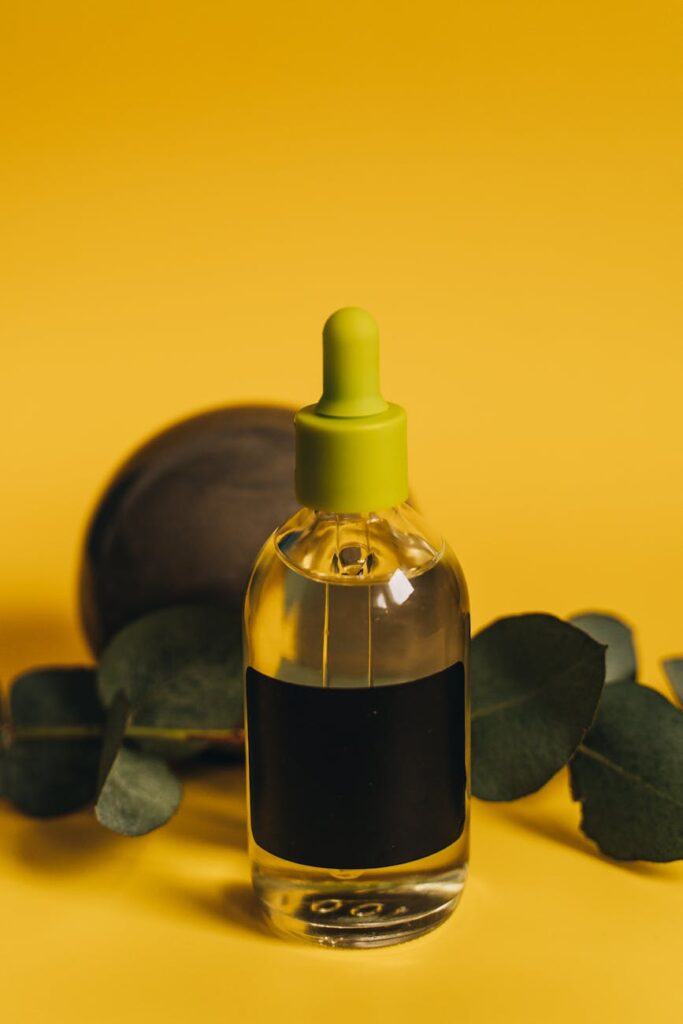
Complete Guide to Squalane Oil Part 7
Introduction
Squalane oil has gained widespread popularity in the realms of skincare and cosmetics due to its remarkable properties and versatility. Derived primarily from squalene, a lipid naturally found in human sebum, squalane oil serves as an effective moisturizer and emollient. This guide delves into the characteristics, benefits, and applications of squalane oil, providing a comprehensive overview for those interested in its use.
What Is Squalane Oil?
Squalane oil is a saturated derivative of squalene, which is an unsaturated hydrocarbon originally sourced from shark liver oil and, more sustainably, from plant sources such as olives, sugarcane, and rice bran. The transformation from squalene to squalane involves hydrogenation, a process that stabilizes the oil, making it less prone to oxidation and rancidity.
Squalane is a clear, odorless, and lightweight oil that absorbs easily into the skin, making it an excellent option for various cosmetic formulations. Its emollient properties help to maintain skin hydration while providing a non-greasy finish.
Key Benefits and Properties
Moisturization
One of the primary benefits of squalane oil is its ability to hydrate the skin. Its molecular structure closely resembles that of human sebum, allowing it to penetrate the skin barrier effectively and provide deep moisture without clogging pores.
Antioxidant Properties
Squalane oil possesses antioxidant properties that help combat oxidative stress caused by free radicals. This characteristic can contribute to healthier skin and may reduce the appearance of fine lines and wrinkles over time.
Anti-Inflammatory Effects
Squalane is also known for its anti-inflammatory properties, making it beneficial for users with sensitive or acne-prone skin. It can help soothe irritation and redness, promoting a more even skin tone.
Non-Comedogenic
Unlike many oils, squalane is non-comedogenic, meaning it does not clog pores. This makes it suitable for all skin types, including oily and acne-prone skin, as it hydrates without contributing to breakouts.
Common Uses
Squalane oil is versatile and can be incorporated into various formulations. Its primary uses include:
Skincare Products
Squalane is a common ingredient in moisturizers, serums, and facial oils. Its lightweight texture makes it ideal for layering under makeup or other skincare products.
Hair Care
Squalane oil can also be found in hair care formulations. It helps to moisturize and condition the hair, reducing frizz and enhancing shine without leaving a greasy residue.
Lip Care
Due to its hydrating properties, squalane oil is often included in lip balms and treatments. It helps to soften and protect the delicate skin of the lips.
Body Care
Squalane can be used in body lotions and creams, providing hydration and improving the overall texture of the skin.
Aromatherapy Applications
While squalane oil is not an essential oil, it can play a significant role in aromatherapy when used as a carrier oil. When combined with essential oils, squalane can enhance the absorption of the active compounds, making it an excellent choice for massage oils and topical applications.
Blending with Essential Oils
Squalane can be blended with various essential oils to create customized aromatherapy formulations. Its neutral scent allows it to complement a range of essential oils, including lavender for relaxation, tea tree for its antiseptic properties, and eucalyptus for respiratory support.
Massage
Due to its smooth texture and easy absorption, squalane oil is an excellent choice for massage therapy. It allows for smooth gliding over the skin without feeling heavy or greasy.
Safety Considerations
Squalane oil is generally regarded as safe for topical use. However, it is essential to consider the following safety guidelines:
Patch Testing
Before using squalane oil for the first time, it is advisable to conduct a patch test. Apply a small amount to a discreet area of skin and monitor for any adverse reactions over 24 hours.
Allergies
Individuals with known allergies to olives or other sources of squalane should avoid products containing this oil. Always read ingredient labels to ensure safety.
Interactions with Other Ingredients
While squalane is generally compatible with most skincare ingredients, it is advisable to be cautious when combining it with potent actives like retinol or acids. Consult with a skincare professional if unsure about compatibility.
Storage and Shelf Life
To maintain the quality of squalane oil, proper storage is crucial:
Storage Conditions
Store squalane oil in a cool, dark place, away from direct sunlight and heat. Exposure to light and air can degrade the oil, leading to a loss of efficacy.
Shelf Life
Squalane oil typically has a shelf life of about 1 to 2 years, depending on storage conditions and whether it has been opened. Always check for any changes in odor, color, or texture before use.
Frequently Asked Questions
Is squalane oil suitable for all skin types?
Yes, squalane oil is suitable for all skin types, including oily, dry, and sensitive skin. Its non-comedogenic nature makes it an excellent choice for acne-prone skin.
Can squalane oil be used in conjunction with other oils?
Absolutely. Squalane oil can be used alongside other carrier oils and essential oils. Its lightweight texture allows it to blend well with heavier oils.
Does squalane oil expire?
Yes, squalane oil can expire, typically within 1 to 2 years. Proper storage can extend its shelf life, but always check for any signs of spoilage before use.
Can I use squalane oil on my hair?
Yes, squalane oil can be beneficial for hair as it helps to moisturize and condition without weighing it down. It can be applied to damp or dry hair for added hydration.
Is squalane oil vegan?
Squalane derived from plant sources, such as olives and sugarcane, is considered vegan. However, it is essential to ensure that the product explicitly states its source, especially if it is derived from shark liver oil.
Conclusion
Squalane oil is a versatile and beneficial oil that serves a multitude of purposes in skincare, hair care, and aromatherapy. Its unique properties make it suitable for a wide range of users, from those seeking hydration to individuals looking to enhance their skincare routines. Understanding its benefits, uses, and safety considerations can empower individuals to incorporate squalane oil into their daily practices effectively. As always, it is essential to choose high-quality products and consider personal skin types and preferences when exploring new ingredients.