
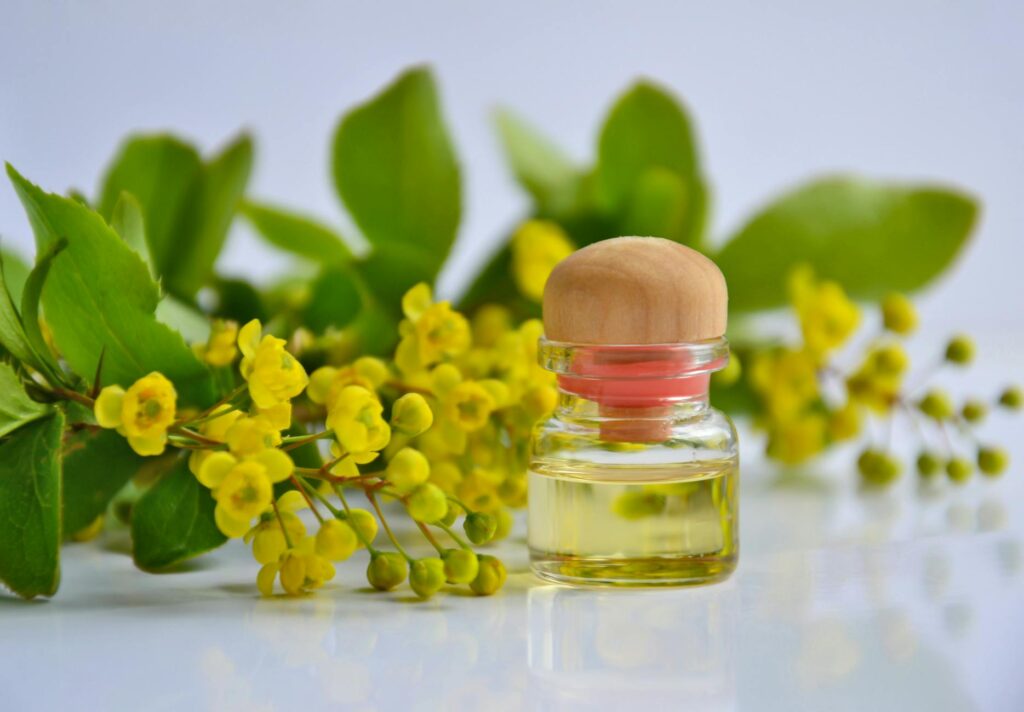
Complete Guide to Squalane Oil
Introduction
Squalane oil has gained significant attention in the beauty and wellness industries, celebrated for its moisturizing properties and versatility. Derived from squalene, a natural component found in various sources, squalane serves as an emollient, offering hydration and nourishment to the skin. This comprehensive guide aims to explore the nature, benefits, and applications of squalane oil, providing a foundation for understanding its role in skincare and aromatherapy.
What Is Squalane Oil?
Squalane is a saturated derivative of squalene, a naturally occurring compound produced by the human body and found in various plants and animal sources. Squalene is predominantly extracted from shark liver oil, but due to ethical and sustainability concerns, plant-derived squalane is more common today. It is typically sourced from olives, rice bran, and sugarcane.
Squalane oil is a stable, lightweight oil that is suitable for all skin types. Its molecular structure closely resembles the skin’s natural oils, allowing it to penetrate easily without leaving a greasy residue. This makes it an excellent addition to skincare regimens, particularly for those seeking hydration and nourishment.
Key Benefits and Properties
Squalane oil boasts numerous benefits and properties that contribute to its popularity in skincare and wellness:
1. Deep Moisturization
Squalane acts as an effective emollient, providing deep hydration to the skin. It helps to lock in moisture, making it ideal for dry or dehydrated skin types.
2. Anti-Aging Effects
The oil is known for its antioxidant properties, which can help combat signs of aging, such as fine lines and wrinkles. It aids in maintaining skin elasticity and firmness.
3. Non-Comedogenic
Squalane is non-comedogenic, meaning it does not clog pores. This characteristic makes it suitable for acne-prone skin, providing hydration without the risk of breakouts.
4. Soothing Properties
Squalane has anti-inflammatory properties that can help soothe irritated or sensitive skin. It may assist in reducing redness and promoting an even skin tone.
5. Enhanced Absorption
Because of its lightweight nature, squalane oil enhances the absorption of other active ingredients in skincare products, making it a beneficial addition to serums and lotions.
Common Uses
Squalane oil can be used in various ways, making it a versatile addition to any skincare routine:
1. Facial Moisturizer
As a standalone moisturizer or mixed with other products, squalane oil provides hydration and nourishment for the face.
2. Makeup Remover
Its ability to dissolve makeup makes it an effective and gentle makeup remover.
3. Hair Care
Squalane can be applied to the hair and scalp to provide moisture, shine, and manageability, reducing frizz and enhancing overall hair health.
4. Body Oil
Used as a body oil, squalane can help maintain skin hydration and softness, making it a popular choice for those with dry skin.
5. Lip Care
Squalane oil can be used in lip balms or applied directly to the lips to provide hydration and prevent chapping.
Aromatherapy Applications
While squalane oil is primarily known for its skincare benefits, it can also play a role in aromatherapy. Here’s how:
1. Carrier Oil
Squalane makes an excellent carrier oil for essential oils in aromatherapy. Its lightweight texture allows it to blend well with various essential oils, facilitating easy application to the skin.
2. Mixed Blends
In aromatherapy blends, squalane can enhance the absorption of essential oils, allowing for better efficacy. It can be mixed with oils like lavender, tea tree, or frankincense to create soothing and therapeutic applications.
3. Diffuser Additive
While squalane is not typically used in a diffuser, it can be combined with essential oils in a topical blend, allowing users to benefit from the aroma and therapeutic properties of the oils.
Safety Considerations
Squalane oil is generally considered safe for topical use. However, as with any cosmetic product, it is essential to conduct a patch test before widespread application, especially for those with sensitive skin or allergies. Here are some safety tips:
1. Patch Testing
Apply a small amount of squalane oil to a discrete area of skin, such as the inner wrist or behind the ear, to check for any adverse reactions.
2. Quality Matters
Choose high-quality, pure squalane oil from reputable sources to avoid contaminants and ensure the best results.
3. Consult Professionals
If you have specific skin concerns or conditions, consulting with a dermatologist or skincare professional can provide personalized guidance.
Storage and Shelf Life
Proper storage of squalane oil is crucial to maintain its efficacy. Here are some guidelines:
1. Keep it Cool
Store squalane oil in a cool, dry place away from direct sunlight. Heat and light can degrade the oil, reducing its effectiveness.
2. Use Dark Glass Bottles
If possible, purchase squalane oil in dark glass containers to minimize exposure to light, which can help prolong its shelf life.
3. Check Expiry Dates
Squalane oil can typically last for about two years if stored correctly. Always check the expiration date on the packaging and discard any oil that has changed color or developed an off smell.
Frequently Asked Questions
1. Is squalane oil suitable for all skin types?
Yes, squalane oil is suitable for all skin types, including oily and acne-prone skin, due to its non-comedogenic properties.
2. Can squalane oil be used with other skincare products?
Absolutely! Squalane oil can be layered under or mixed with other skincare products to enhance their effectiveness.
3. Is squalane oil vegan?
Plant-derived squalane is vegan, while squalane sourced from shark liver oil is not. Always check the source when purchasing.
4. How often should I use squalane oil?
Squalane oil can be used daily, either in the morning or evening, depending on your skincare routine.
5. Can squalane oil help with acne?
While squalane oil is non-comedogenic and can provide hydration, results may vary by individual. It’s essential to monitor your skin’s response.
Conclusion
Squalane oil is a versatile and effective ingredient in both skincare and aromatherapy. Known for its moisturizing properties, lightweight texture, and compatibility with various skin types, it has become a staple in many beauty regimens. Whether used as a standalone oil, a carrier for essential oils, or an ingredient in various products, squalane oil continues to be celebrated for its numerous benefits. Understanding its properties, uses, and safety considerations can help individuals make informed decisions about incorporating squalane oil into their daily routines, enhancing their overall skincare experience.