
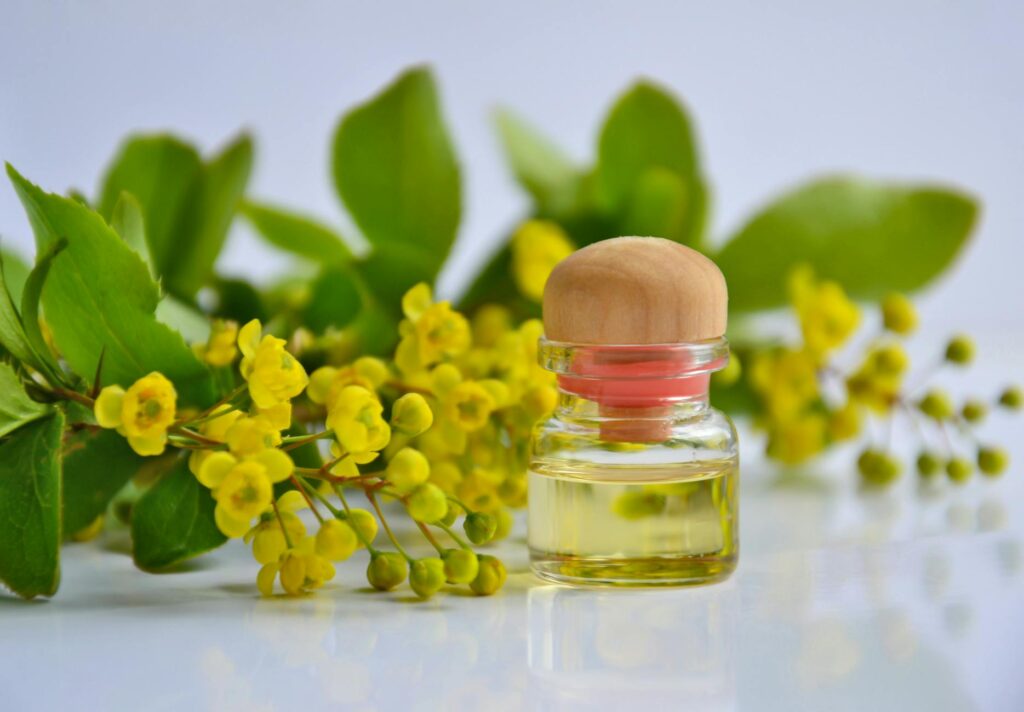
Complete Guide to St. John’s Wort Extract
Introduction
St. John’s Wort, scientifically known as Hypericum perforatum, is a perennial herb renowned for its vibrant yellow flowers and historical significance in traditional medicine. Its extract has garnered attention in recent years due to its potential benefits in supporting emotional well-being and its various applications in aromatherapy. This guide aims to provide a comprehensive overview of St. John’s Wort extract, covering its properties, uses, and safety considerations.
What Is St. John’s Wort Extract?
St. John’s Wort extract is derived from the flowering tops of the St. John’s Wort plant. The plant is native to Europe but has spread to various parts of the world, including North America and Asia. The extract is typically produced through the process of maceration, where the flowers and leaves are soaked in a solvent—often oil or alcohol—to draw out the active compounds.
The primary constituents of St. John’s Wort extract include hypericin, hyperforin, and various flavonoids. These compounds are believed to contribute to the extract’s unique properties and potential benefits.
Key Benefits and Properties
St. John’s Wort extract is celebrated for several properties, many of which are attributed to its active compounds:
1. Mood Support: The most notable aspect of St. John’s Wort is its potential role in supporting mood and emotional well-being. Hypericin and hyperforin are thought to influence neurotransmitter activity, particularly serotonin, which plays a crucial role in regulating mood.
2. Anti-inflammatory Effects: Some studies suggest that St. John’s Wort may possess anti-inflammatory properties, which could be beneficial in alleviating discomfort and promoting overall health.
3. Antioxidant Activity: The flavonoids found in St. John’s Wort exhibit antioxidant properties, which help protect cells from oxidative stress and may contribute to overall health.
4. Wound Healing: Traditionally, St. John’s Wort has been used for topical applications to support skin healing and reduce inflammation.
Common Uses
St. John’s Wort extract has a variety of applications, both in traditional remedies and modern holistic practices. Common uses include:
- Emotional Well-being: Many individuals use St. John’s Wort extract as a natural supplement for mild mood disturbances or seasonal affective disorder.
- Topical Applications: The extract can be applied topically in oil form to support skin healing, particularly for minor cuts, burns, and bruises.
- Herbal Teas and Tinctures: St. John’s Wort is often used in herbal teas and tinctures for those seeking its benefits in a more traditional format.
- Bath Blends: The extract may also be added to bath blends for its potential calming effects on both the mind and skin.
- Keep in a Cool, Dark Place: Store the extract in a cool, dark area away from direct sunlight and heat sources, as light and heat can degrade the active compounds.
- Use Airtight Containers: Ensure the extract is stored in airtight containers to prevent oxidation and contamination.
- Check Expiration Dates: St. John’s Wort extract typically has a shelf life of 1 to 2 years, depending on the form and storage conditions. Always check the expiration date before use.
Aromatherapy Applications
In the realm of aromatherapy, St. John’s Wort extract is typically used in oil form. Its soothing properties make it a valuable addition to various blends aimed at promoting relaxation and emotional balance. Here are a few ways St. John’s Wort can be incorporated into aromatherapy:
1. Massage Oils: Combining St. John’s Wort oil with carrier oils, such as sweet almond or jojoba, can create a relaxing massage blend that may help alleviate tension.
2. Diffusion: While the extract itself may not be suitable for diffusion, it can be blended with essential oils known for their uplifting properties, such as lavender or bergamot, to create a harmonious atmosphere.
3. Bath Salts: Adding St. John’s Wort oil to bath salts can enhance a soothing bathing experience, promoting relaxation and emotional tranquility.
4. Skincare Blends: Due to its reputed skin benefits, St. John’s Wort extract can be mixed into skincare formulations aimed at soothing irritated or inflamed skin.
Safety Considerations
While St. John’s Wort extract is generally considered safe for many individuals, there are important safety considerations to keep in mind:
1. Drug Interactions: One of the most notable aspects of St. John’s Wort is its potential to interact with various medications, including antidepressants, birth control pills, anticoagulants, and certain antiviral drugs. It is crucial to consult a healthcare professional before using St. John’s Wort extract if you are on medication.
2. Sun Sensitivity: Hypericin can increase sensitivity to sunlight, leading to a higher risk of sunburn. It is advisable to avoid excessive sun exposure or use sun protection when using St. John’s Wort extract.
3. Pregnancy and Breastfeeding: Due to limited research, it is recommended that pregnant or breastfeeding individuals consult a healthcare provider before using St. John’s Wort extract.
4. Allergic Reactions: Some individuals may experience allergic reactions to St. John’s Wort. It is wise to perform a patch test before applying the extract topically or to discontinue use if any adverse reactions occur.
Storage and Shelf Life
To maintain the potency and effectiveness of St. John’s Wort extract, proper storage is essential. Here are some tips for storage:
Frequently Asked Questions
1. How do I use St. John’s Wort extract?
St. John’s Wort extract can be used in various forms, including capsules, oils, teas, or tinctures. The method of use will depend on individual preference and the intended application.
2. Can I take St. John’s Wort with other supplements?
It is essential to consult a healthcare professional before combining St. John’s Wort extract with other supplements, especially if you are taking medications, due to potential interactions.
3. Is St. John’s Wort safe for children?
The use of St. John’s Wort in children should be approached with caution, and it is advisable to consult a healthcare provider before administering it to minors.
4. Where can I purchase St. John’s Wort extract?
St. John’s Wort extract is widely available in health food stores, pharmacies, and online retailers. It is crucial to select high-quality products from reputable sources to ensure safety and efficacy.
5. Can St. John’s Wort be used topically?
Yes, St. John’s Wort extract can be used topically in oil form to support skin healing or soothe minor irritations. However, a patch test is recommended to check for any allergic reactions.
Conclusion
St. John’s Wort extract is a multifaceted herbal remedy with a rich history and diverse applications. From its potential mood-enhancing properties to its uses in aromatherapy and skincare, this herb continues to captivate the interest of those seeking natural approaches to well-being. However, it is essential to approach its use with caution, particularly regarding potential interactions and safety considerations. As with any herbal remedy, informed use and consultation with a healthcare professional are key to enjoying the benefits of St. John’s Wort extract.