
Complete Guide to Steam Distillation
Introduction
Steam distillation is a widely used method for extracting essential oils from plant materials, revered for its efficiency and effectiveness. The process has deep historical roots, dating back to ancient civilizations, where it was employed for various purposes, including perfume production and medicinal uses. This guide will explore the intricacies of steam distillation, its benefits, common applications, and safety considerations, providing a comprehensive overview for those interested in the world of essential oils and aromatherapy.
What Is Steam Distillation?
Steam distillation is a separation process that utilizes steam to extract volatile compounds from plant materials. In this method, steam is passed through the plant material, causing the essential oils to evaporate. The vapor then rises through a condenser, where it cools and reverts to liquid form. The essential oil, being lighter than water, floats on the surface and can be collected separately.
The Process of Steam Distillation
1. Preparation of Plant Material: Fresh or dried plant material is prepared and placed in a distillation apparatus.
2. Generation of Steam: Water is heated in a separate chamber to produce steam, which is then directed into the plant material.
3. Vaporization: The heat from the steam causes the essential oils within the plant cells to evaporate.
4. Condensation: The vapor rises through a condenser, where it cools and returns to a liquid state.
5. Separation: The resultant liquid, known as distillate, contains both water and essential oils. The essential oil is separated from the hydrosol (the water component).
Variations of Steam Distillation
While the basic principles of steam distillation remain the same, variations exist, including:
- Direct Steam Distillation: Steam is injected directly into the plant material.
- Water Distillation: The plant material is submerged in water, and steam is generated from the boiling water.
- Steam Distillation with Pressure: This method involves applying pressure to facilitate the extraction of oils from delicate plant materials.
- Purity: The process results in pure essential oils without the use of chemical solvents.
- Efficiency: Steam distillation can extract a higher yield of essential oils compared to other methods, such as cold pressing.
- Versatility: It can be used for a wide variety of plant materials, including leaves, flowers, seeds, and roots.
- Preservation of Aromatic Qualities: The gentle heating preserves the natural scent and beneficial properties of the essential oils.
- Dilution: Essential oils are highly concentrated and should be diluted in carrier oils before topical application to avoid skin irritation.
- Allergies: Conduct a patch test before using a new essential oil, especially for individuals with sensitive skin or allergies.
- Pregnancy and Nursing: Pregnant or nursing individuals should consult with a healthcare professional before using essential oils, as some may not be safe during these periods.
- Children and Pets: Some essential oils are not suitable for children or pets; it’s important to research and consult guidelines before use.
- Dark Glass Bottles: Essential oils should be stored in dark glass bottles to protect them from light, which can degrade their quality.
- Cool Environment: Store oils in a cool, dry place away from direct sunlight and heat sources.
- Citrus Oils: Typically last 1-2 years.
- Wood and Resin Oils: Can last 4-5 years or more.
- Herbal Oils: Generally last 3-5 years.
Key Benefits and Properties
Steam distillation offers several advantages, making it a preferred method for essential oil extraction:
Common Uses
Essential oils obtained through steam distillation have a plethora of applications across various domains:
1. Cosmetics and Personal Care
Steam-distilled essential oils are commonly used in cosmetics and skincare products for their aromatic qualities and potential skin benefits. They can enhance fragrances, provide natural preservatives, and contribute to the overall sensory experience.
2. Household Cleaning Products
Many cleaning products incorporate steam-distilled essential oils due to their antibacterial and antiseptic properties. Oils like tea tree, lemon, and lavender are popular choices for creating natural cleaning solutions.
3. Food and Beverage Industry
Certain steam-distilled essential oils, such as peppermint and citrus oils, are utilized in flavoring food and beverages. They provide natural flavor enhancements without synthetic additives.
4. Perfume Industry
The perfume industry heavily relies on steam distillation for sourcing essential oils. The process captures the intricate fragrances of flowers and plants, which form the foundation of many perfumes.
Aromatherapy Applications
Aromatherapy, the practice of using essential oils for therapeutic benefits, often employs steam-distilled oils due to their purity and potency. The following applications highlight the diverse uses of these oils in aromatherapy:
1. Diffusion
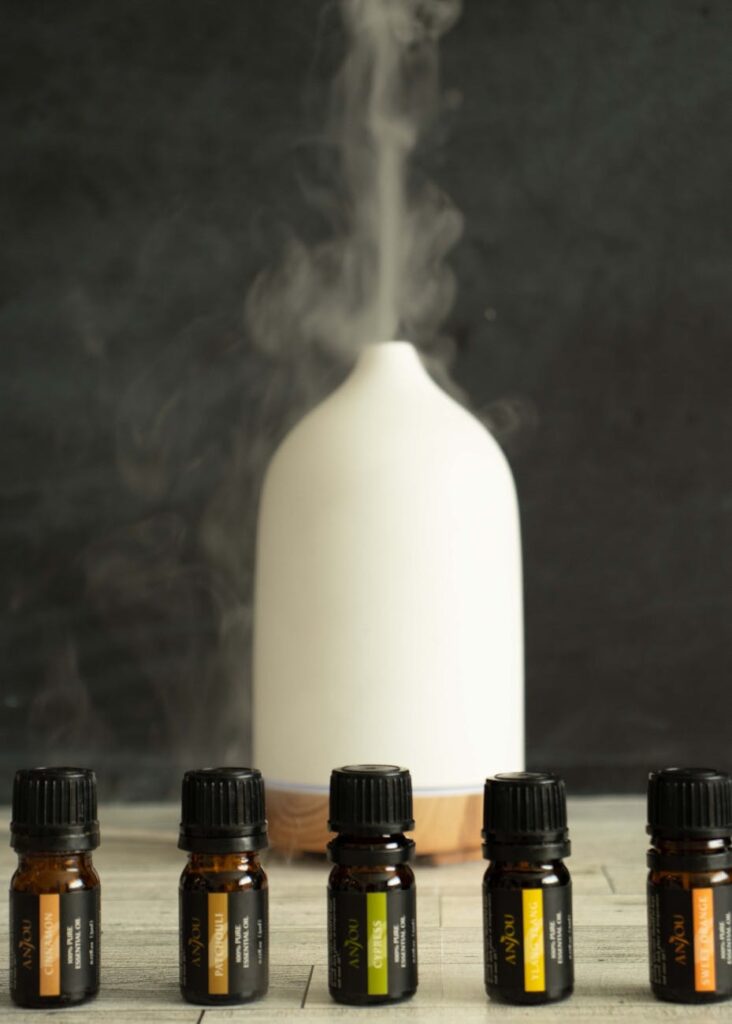
Diffusing essential oils into the air can enhance mood and create a calming atmosphere. Oils such as lavender, chamomile, and eucalyptus are commonly diffused for their soothing properties.
2. Topical Application
When diluted with carrier oils, steam-distilled essential oils can be applied to the skin for various benefits, such as relaxation, revitalization, or skin care. Popular choices include frankincense, rosemary, and tea tree oil.
3. Inhalation
Inhaling steam infused with essential oils can provide immediate aromatic benefits. This method is often used for respiratory support or to alleviate stress.
4. Bathing
Adding steam-distilled essential oils to bathwater can create a luxurious and therapeutic experience. Oils like ylang-ylang and bergamot can enhance relaxation during a soak.
Safety Considerations
While steam-distilled essential oils are generally regarded as safe when used appropriately, it is vital to observe certain precautions:
Storage and Shelf Life
Proper storage of steam-distilled essential oils is essential to maintain their quality and potency:
1. Storage Conditions
2. Shelf Life
While many essential oils have a long shelf life, it can vary based on the oil type:
Always check for changes in scent, color, or consistency, which may indicate that the oil has gone bad.
Frequently Asked Questions
1. What is the difference between steam distillation and cold pressing?
Steam distillation uses steam to extract essential oils, while cold pressing involves mechanically pressing plant materials, typically citrus fruits, to release their oils.
2. Can I make my own essential oils at home?
While it is possible to create essential oils at home using steam distillation equipment, it requires specialized knowledge and equipment. It is generally recommended to purchase oils from reputable suppliers.
3. Are all essential oils steam distilled?
No, not all essential oils are extracted through steam distillation. Other methods include solvent extraction, CO2 extraction, and cold pressing, each yielding different qualities and characteristics in the final product.
4. Can I use steam-distilled essential oils in cooking?
Some steam-distilled essential oils are safe for culinary use, such as peppermint or lemon. However, it is crucial to ensure that the oil is food-grade and suitable for consumption.
5. How do I choose the right essential oil?
Selecting the right essential oil depends on individual preferences and intended use. Researching the properties, scents, and potential benefits of oils can assist in making an informed choice.
Conclusion
Steam distillation remains an essential process for extracting pure essential oils, unlocking the aromatic treasures of the plant kingdom. With its wide array of benefits and applications, steam-distilled oils continue to play a significant role in aromatherapy, cosmetics, and various industries. Understanding the science and practice of steam distillation not only enriches the knowledge of essential oils but also enhances the experience of using them in everyday life. As always, prioritize safety and educate yourself on the appropriate uses to fully appreciate the beauty and power of these natural extracts.