
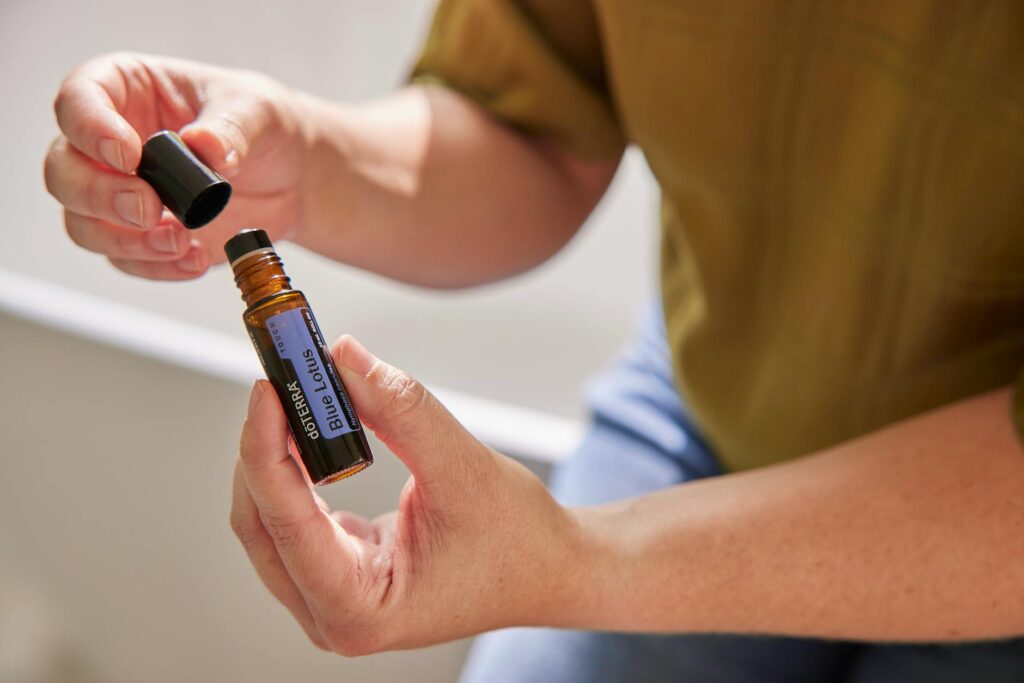
Complete Guide to Stress Relief Blends Part 12
Introduction
In today’s fast-paced world, stress has become a common companion for many individuals. As people search for natural approaches to manage their stress levels, essential oils and aromatherapy have gained prominence. This guide delves into the intricacies of stress relief blends, exploring their components, benefits, applications, and safety considerations.
What Is Stress Relief Blends?
Stress relief blends are carefully formulated combinations of essential oils specifically designed to promote relaxation, calmness, and emotional balance. These blends harness the aromatic properties of various plants to create a synergistic effect, enhancing their individual qualities to support mental and emotional well-being. Common oils used in these blends include lavender, chamomile, bergamot, and frankincense, among others.
Key Benefits and Properties
Stress relief blends are celebrated for their numerous benefits, which include:
1. Promoting Relaxation: Many essential oils possess calming properties that help to quiet the mind and reduce feelings of anxiety.
2. Improving Sleep Quality: Certain blends can aid in promoting restful sleep by creating a serene atmosphere.
3. Enhancing Mood: Aroma compounds in essential oils can stimulate positive emotions and alleviate feelings of sadness or irritability.
4. Supporting Mental Clarity: While relaxation is essential, some blends also help enhance focus and mental clarity, allowing individuals to navigate stress more effectively.
5. Balancing Emotions: These blends can help regulate emotional responses, fostering a sense of stability and calm.
6. Encouraging Mindfulness: The act of inhaling essential oils can serve as a form of mindfulness practice, drawing attention to the present moment and promoting a peaceful state of mind.
Common Uses
Stress relief blends can be utilized in various ways, depending on personal preferences and the desired effect. Here are some common uses:
- Diffusion: Using an essential oil diffuser is one of the most popular methods. By dispersing the aroma in a room, individuals can create a calming environment conducive to relaxation.
- Topical Application: Diluting essential oils with a carrier oil allows for safe application on the skin. This method can provide direct benefits to the body and mind, especially during moments of acute stress.
- Bath Soaks: Adding a few drops of a stress relief blend to a warm bath can create a soothing experience, enhancing relaxation and comfort.
- Inhalation: Placing a few drops on a tissue or cotton pad and inhaling them can provide immediate stress relief.
- Massage: Incorporating stress relief blends into massage oils can enhance the therapeutic effects of touch and promote relaxation.
- Home Environment: Diffusing stress relief blends in living spaces can create a serene atmosphere, making it an ideal practice for homes, offices, or therapeutic settings.
- Personal Care Products: Incorporating these blends into skincare products, such as lotions or bath oils, can enhance self-care routines.
- Meditation and Yoga: Using stress relief blends during mindfulness practices, such as meditation or yoga, can deepen the experience and enhance relaxation.
- Travel: Carrying a small vial of stress relief blend can be helpful for on-the-go stress management, allowing individuals to inhale the calming aroma whenever needed.
- Dilution: Always dilute essential oils with a carrier oil before applying them to the skin. This helps prevent irritation and adverse reactions.
- Patch Testing: Conduct a patch test by applying a small amount of the diluted oil to a discreet area of skin to check for sensitivity.
- Pregnancy and Nursing: Pregnant or nursing individuals should consult with a qualified professional before using essential oils, as some oils may not be safe during these periods.
- Children and Pets: Some essential oils can be harmful to children and pets. Always research the safety of specific oils before using them around animals or young children.
- Medical Conditions: Individuals with specific health conditions or those taking medication should consult with a healthcare provider before using aromatherapy.
- Glass Containers: Store essential oils in dark glass bottles to protect them from light, which can degrade the oil.
- Cool, Dark Place: Keep the bottles in a cool, dark environment, away from heat sources and direct sunlight.
- Tightly Sealed: Ensure that the containers are tightly sealed to prevent evaporation and contamination.
- Shelf Life: Depending on the oil, shelf life can vary. Generally, most essential oils have a shelf life of 1 to 3 years. Citrus oils may have a shorter shelf life, while others like patchouli can last longer.
Aromatherapy Applications
Aromatherapy is the practice of using aromatic plant extracts to promote physical and psychological well-being. Stress relief blends play a vital role in this practice, with various applications including:
Safety Considerations
While essential oils are generally safe when used correctly, there are essential safety considerations to keep in mind:
Storage and Shelf Life
Proper storage of essential oils is crucial for maintaining their efficacy. Here are some tips for optimal storage:
Frequently Asked Questions
1. What are the best essential oils for stress relief?
Common essential oils known for their stress-relieving properties include lavender, bergamot, chamomile, frankincense, and ylang-ylang. Each oil offers unique benefits and can be blended to create a personalized stress relief experience.
2. How do I create my own stress relief blend?
To create a stress relief blend, start with a base oil such as sweet almond or jojoba oil. Add a combination of essential oils known for their calming properties. A common ratio is 3-5 drops of essential oil per tablespoon of carrier oil. Always conduct a patch test before using the blend on larger areas of skin.
3. Can I use stress relief blends in a diffuser?
Yes, stress relief blends are excellent for use in diffusers. Follow the manufacturer’s instructions for the number of drops to use and ensure proper ventilation in the room.
4. How often can I use stress relief blends?
The frequency of use depends on individual preferences and circumstances. Many people find relief from using blends multiple times throughout the day, especially during stressful situations.
5. Are there any contraindications for using stress relief blends?
Yes, certain essential oils may interact with medications or have contraindications for specific conditions. It is essential to research individual oils and consult with a qualified professional if you have concerns.
6. Can stress relief blends replace professional help for stress management?
While stress relief blends can be beneficial, they are not a substitute for professional mental health treatment. Individuals experiencing chronic stress or anxiety should seek guidance from a qualified healthcare provider.
Conclusion
Stress relief blends offer a natural and holistic approach to managing the pressures of modern life. By understanding their properties, applications, and safety measures, individuals can effectively incorporate these aromatic solutions into their daily routines. As you explore the world of essential oils, remember that each blend has unique characteristics, and finding the right combination for your needs may require some experimentation. Embrace the journey towards tranquility and emotional balance as you discover the calming power of stress relief blends.