
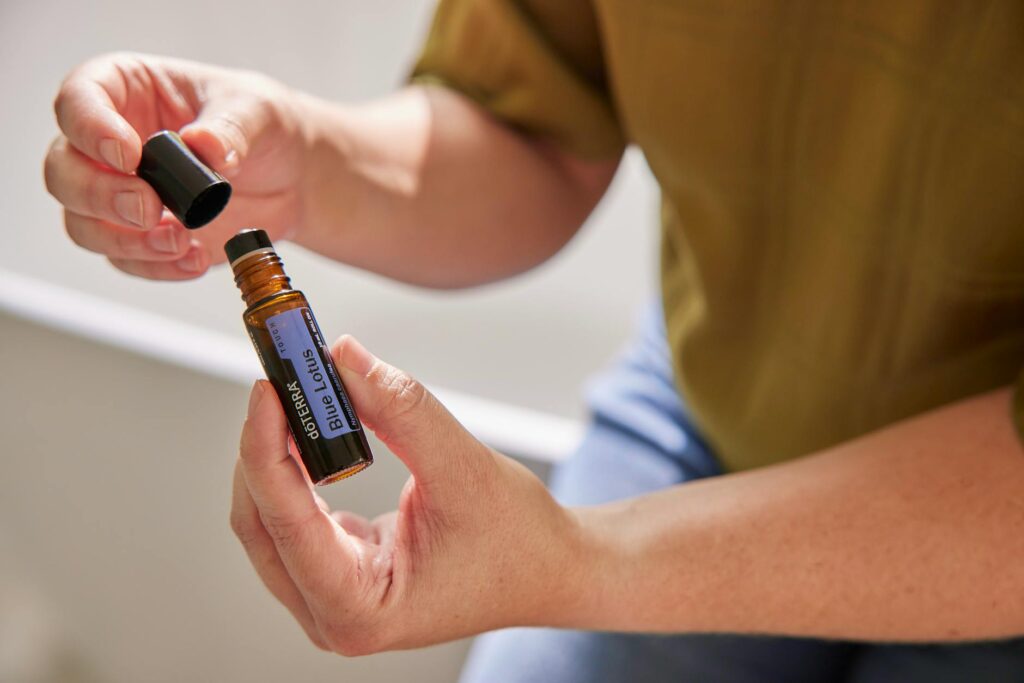
Complete Guide to Stress Relief Blends Part 13
Introduction
In today’s fast-paced world, stress has become a common companion for many individuals. While it may be impossible to eliminate stress entirely, finding effective methods to manage and alleviate it is essential for overall well-being. One such method is the use of stress relief blends, which combine various essential oils to create harmonious and calming effects. This guide will explore the intricacies of stress relief blends, their benefits, common applications, and safety considerations.
What Is Stress Relief Blends?
Stress relief blends are formulated combinations of essential oils specifically chosen for their calming and soothing properties. These blends aim to promote relaxation, reduce anxiety, and uplift the mood. The art of blending essential oils is a complex process, as different oils possess unique characteristics and effects. By understanding these properties, one can create or choose blends that effectively target stress-related concerns.
Common essential oils used in stress relief blends include:
- Lavender: Known for its calming effects.
- Bergamot: Offers uplifting qualities while reducing tension.
- Chamomile: Provides soothing properties that enhance relaxation.
- Frankincense: Promotes a sense of peace and grounding.
- Ylang Ylang: Known to reduce anxiety and evoke feelings of joy.
Key Benefits and Properties
Stress relief blends offer a variety of benefits that extend beyond mere relaxation. Some key properties include:
1. Calming Effects: Many essential oils, such as lavender and chamomile, are celebrated for their ability to calm the mind and body. This can lead to reduced feelings of anxiety and improved overall mood.
2. Mood Enhancement: Citrus oils like bergamot and sweet orange are known to uplift spirits, making them ideal for combating feelings of stress and sadness.
3. Sleep Improvement: Certain blends, particularly those containing lavender and vetiver, may enhance sleep quality by promoting a tranquil environment conducive to rest.
4. Mental Clarity: Some stress relief blends can help clear mental fog, allowing for better focus and concentration, which can be particularly beneficial during stressful situations.
5. Physical Relaxation: Many essential oils help alleviate tension in the muscles and promote a sense of physical relaxation, contributing to overall stress relief.
Common Uses
Stress relief blends can be utilized in various ways, adapting to personal preferences and lifestyles. Here are some common applications:
1. Diffusion
Using a diffuser is one of the most popular methods for enjoying the benefits of essential oil blends. The aroma disperses throughout the room, creating a calming atmosphere. Simply add a few drops of your chosen stress relief blend to the diffuser, fill it with water, and turn it on.
2. Topical Application
Diluting essential oils in a carrier oil (such as coconut, almond, or jojoba oil) allows for topical application. This method can be particularly effective for localized stress relief. Apply the blend to pulse points, such as wrists and temples, or massage it into tense areas of the body.
3. Bath Soaks
Adding stress relief blends to bathwater can transform an ordinary bath into a soothing retreat. Combine a few drops of essential oil with a carrier oil or Epsom salts before adding it to your bath. This creates a relaxing, aromatic experience that can alleviate stress and tension.
4. Inhalation
For quick relief, inhaling the aroma of stress relief blends directly from the bottle or by placing a few drops on a tissue can provide immediate calming effects. This method is portable and can be practiced anywhere.
5. Sleep Aids
Incorporating stress relief blends into bedtime routines can promote better sleep. Consider using a pillow spray, adding a few drops to your sleep mask, or diffusing the blend in your bedroom before sleep.
Aromatherapy Applications
The application of stress relief blends in aromatherapy is vast and varied. Trained aromatherapists often use these blends in therapeutic settings, such as massage therapy, meditation sessions, or wellness workshops. The following are some specific aromatherapy applications:
1. Guided Meditation
Integrating stress relief blends into guided meditation practices can enhance the experience. The calming aromas help facilitate a deeper state of relaxation, allowing participants to fully engage in the meditation process.
2. Yoga Classes
Many yoga instructors incorporate essential oils into their classes, using stress relief blends during savasana (the final relaxation pose) or throughout the practice to enhance relaxation and mindfulness.
3. Spa Treatments
Spas and wellness centers frequently use stress relief blends in treatments such as facials, massages, and body wraps. The combination of touch and aroma creates a holistic experience that promotes relaxation and stress relief.
Safety Considerations
While essential oils are generally safe when used correctly, it is important to observe safety considerations, especially when creating or using stress relief blends:
1. Dilution: Always dilute essential oils with a carrier oil before applying them to the skin. This reduces the risk of irritation and sensitization.
2. Patch Testing: Conduct a patch test before using a new blend on a larger area of the skin. Apply a small amount of the diluted blend to a discreet area and wait 24 hours to check for any adverse reactions.
3. Pregnancy and Nursing: Pregnant or nursing individuals should consult with a qualified professional before using essential oils, as some may not be suitable during this time.
4. Medical Conditions: Those with pre-existing medical conditions or those taking medications should seek guidance from a healthcare professional before using essential oils.
5. Quality of Oils: Choose high-quality essential oils from reputable sources to ensure purity and potency. Poor-quality oils may contain synthetic additives or contaminants.
Storage and Shelf Life
Proper storage of essential oils is crucial to maintain their efficacy and longevity. Here are some guidelines:
1. Container: Store essential oils in dark glass bottles to protect them from light, which can degrade their quality.
2. Temperature: Keep oils in a cool, dry place away from direct sunlight and heat sources. Exposure to extreme temperatures can alter the chemical composition of the oils.
3. Shelf Life: The shelf life of essential oils can vary. Generally, citrus oils may have a shorter shelf life of about 1-2 years, while oils like sandalwood and patchouli can last for several years if stored properly. Always check for changes in scent, color, or viscosity before use.
Frequently Asked Questions
1. Can I create my own stress relief blend?
Yes, creating a custom blend can be fulfilling. Start with a base oil that you enjoy and add complementary oils that promote relaxation. Experiment with different ratios until you find a blend that resonates with you.
2. How often can I use stress relief blends?
Frequency of use can vary based on personal preference and circumstances. Many individuals find daily use beneficial, while others may use them as needed during particularly stressful times.
3. Are there any essential oils to avoid in stress relief blends?
While most essential oils can be beneficial, some may not be suitable for certain individuals. For example, oils like rosemary can be stimulating and may not be ideal for stress relief. It is essential to consider individual sensitivities and preferences.
4. Can stress relief blends be used with children?
Certain essential oils are safe for children, but it is important to use them with caution. Dilution is crucial, and it is advisable to consult with a healthcare professional for guidance on safe oils and appropriate dosages for children.
5. Do stress relief blends work for everyone?
The effectiveness of stress relief blends can vary from person to person. Individual preferences, sensitivities, and experiences play a significant role in how a blend may impact stress levels. It may take time and experimentation to find what works best for you.
Conclusion
Stress relief blends present a holistic approach to managing stress and promoting well-being. With a variety of applications and benefits, these blends can be tailored to individual needs and preferences. By understanding their properties and uses, individuals can harness the power of aromatherapy to create a more balanced and peaceful life. Always remember to prioritize safety and quality when using essential oils, ensuring a positive and enriching experience.