
Complete Guide to Stress Relief Blends Part 15
Introduction
In today’s fast-paced world, stress has become an omnipresent challenge for many individuals. Aromatherapy, through the use of essential oils, presents a natural approach to managing stress and promoting relaxation. This article serves as a comprehensive guide to stress relief blends, exploring their composition, benefits, applications, and safety considerations.
What Is Stress Relief Blends?
Stress relief blends refer to combinations of essential oils specifically formulated to alleviate feelings of tension and anxiety, promote relaxation, and enhance overall emotional well-being. These blends typically incorporate oils known for their calming and soothing properties, such as lavender, chamomile, and bergamot. The synergistic effect of combining multiple essential oils can create a more profound impact than using a single oil alone.
Essential oils are extracted from various parts of plants, including leaves, flowers, bark, and roots. When used in aromatherapy, these oils can influence the body and mind through inhalation or topical application, offering a holistic approach to stress management.
Key Benefits and Properties
Stress relief blends offer a multitude of benefits, including:
- Calming Effects: Many essential oils possess properties that help calm the nervous system, reducing feelings of anxiety and promoting relaxation.
- Mood Enhancement: Stress relief blends can elevate mood and foster feelings of happiness and well-being. Oils like sweet orange and ylang-ylang are particularly noted for their uplifting qualities.
- Improved Sleep Quality: Certain blends can aid in creating a restful environment conducive to sleep. Lavender and chamomile are commonly used for their sleep-promoting effects.
- Physical Relaxation: Stress often leads to physical symptoms such as muscle tension. Essential oils like marjoram and rosemary can assist in relieving muscle tightness and promoting relaxation.
- Mindfulness and Clarity: Some blends can enhance focus and clarity, helping individuals remain present and grounded during stressful situations.
- Diffusion: Using a diffuser to disperse essential oils into the air is one of the most popular methods. This method allows for a gentle and continuous release of aromas, creating a calming environment.
- Topical Application: Stress relief blends can be diluted with a carrier oil and applied to pulse points, such as wrists and behind the ears. This method provides close proximity to the nose for inhalation while allowing the oils to absorb into the skin.
- Bath Soaks: Adding stress relief blends to bathwater can create a soothing experience. The warm water, combined with the aromatic properties of the oils, can enhance relaxation.
- Massage: Incorporating stress relief blends into massage oils can enhance the benefits of touch therapy, promoting both physical and emotional relaxation.
- Inhalation: Inhaling directly from the bottle or using a personal inhaler can offer immediate relief during moments of acute stress.
- Dilution: Essential oils should always be diluted with a carrier oil for topical application to prevent skin irritation and sensitization.
- Allergies and Sensitivities: Conduct a patch test before using a new essential oil blend to check for allergic reactions. If irritation occurs, discontinue use immediately.
- Pregnancy and Nursing: Some essential oils are contraindicated during pregnancy and lactation. Always consult with a qualified professional before using essential oils in these circumstances.
- Children and Pets: Certain essential oils are not suitable for children or pets. It’s essential to research individual oils to ensure their safety for specific age groups and species.
- Interactions with Medications: Essential oils can interact with certain medications. Consult a healthcare professional if you are taking medications or have existing health conditions.
- Cool, Dark Place: Store essential oils in a cool, dark location away from direct sunlight. Exposure to light and heat can degrade the oils over time.
- Tightly Sealed Containers: Ensure that bottles are tightly sealed to prevent oxidation and evaporation. Dark glass bottles are preferable, as they protect oils from UV light.
- Labeling: Clearly label each bottle with the contents and the date of creation to keep track of freshness.
- Shelf Life: The shelf life of essential oils varies, but most oils can last from one to five years. Citrus oils generally have a shorter shelf life, while oils like patchouli and sandalwood can last longer.
Common Uses
The versatility of stress relief blends allows them to be used in various contexts. Common applications include:
Aromatherapy Applications
When utilizing stress relief blends in aromatherapy, there are several methods to consider:
1. Diffusion: Add a few drops of your chosen blend to a diffuser filled with water. Allow the oils to disperse into the air for a calming ambiance.
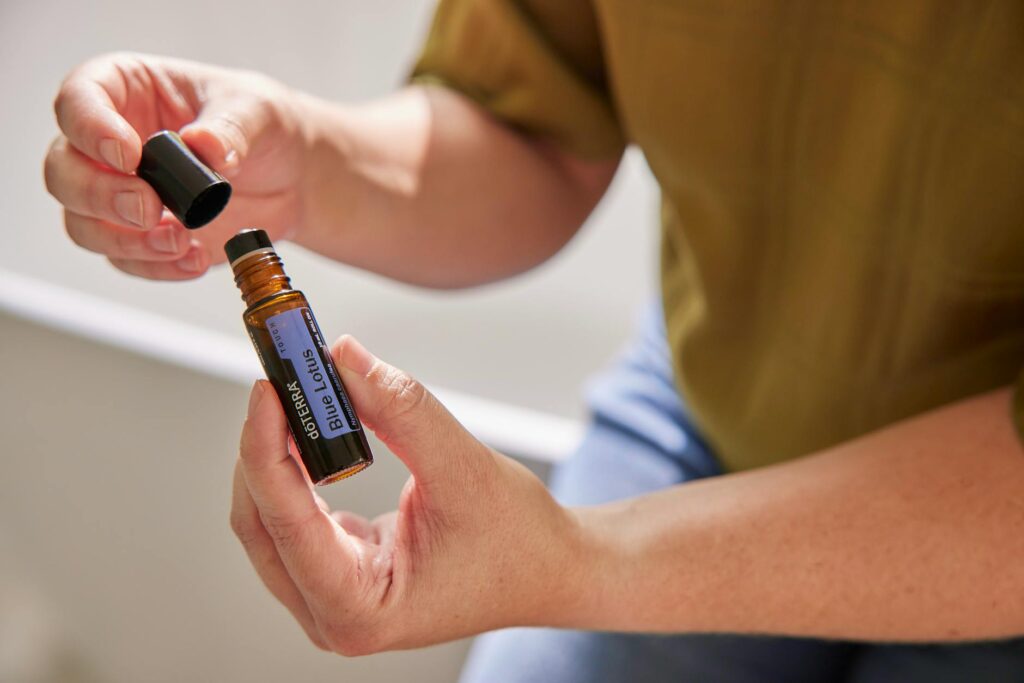
2. Roll-On Blends: Create a roll-on blend by mixing essential oils with a carrier oil, such as jojoba or sweet almond oil. Apply to pulse points for on-the-go stress relief.
3. Inhalers: For a portable option, use an inhaler stick. Add several drops of your stress relief blend to a cotton wick inside the inhaler for easy access.
4. Baths: Combine essential oils with a dispersant, such as Epsom salts or milk, before adding them to a warm bath. This helps to evenly distribute the oils in the water.
5. Massage: Mix essential oils with a carrier oil to create a massage blend. This method not only provides the benefits of aromatherapy but also the therapeutic effects of massage.
Safety Considerations
While essential oils are natural, they are potent substances that require careful handling. Here are important safety considerations:
Storage and Shelf Life
Proper storage is crucial for maintaining the integrity of essential oils and blends. Here are some tips for optimal storage:
Frequently Asked Questions
1. What essential oils are commonly used in stress relief blends?
Common essential oils for stress relief blends include lavender, bergamot, chamomile, frankincense, ylang-ylang, and sweet orange. Each oil has unique properties that contribute to relaxation and emotional balance.
2. Can I create my own stress relief blend?
Absolutely! Creating a custom blend allows you to tailor the aroma and effects to your preferences. Start with a base oil and add other complementary oils, keeping in mind the recommended dilution ratios.
3. How often can I use stress relief blends?
You can use stress relief blends as frequently as needed, but it’s essential to be mindful of potential skin sensitivity. For topical applications, it’s generally recommended to apply no more than 2-3 times per day.
4. Are there any contraindications for using stress relief blends?
Yes, some essential oils may not be suitable for individuals with specific health conditions, pregnant or nursing women, and those on certain medications. Always consult a knowledgeable professional if you have concerns.
5. Can stress relief blends replace professional help for stress management?
While stress relief blends can be beneficial for promoting relaxation and emotional well-being, they are not a substitute for professional help. If stress becomes overwhelming, seeking guidance from a mental health professional is advisable.
Conclusion
Stress relief blends offer a natural and effective way to manage stress and enhance emotional well-being. By understanding the essential oils that contribute to these blends and how to use them safely, individuals can create a calming atmosphere in their daily lives. Always remember to approach aromatherapy with mindfulness and care, ensuring a holistic approach to stress management.