
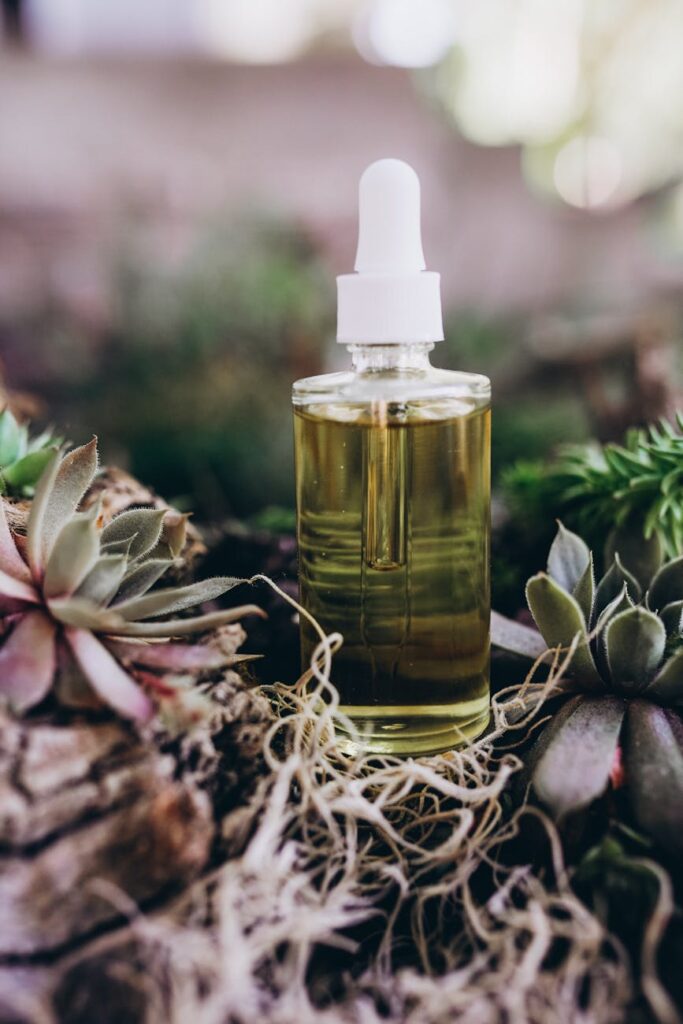
Complete Guide to Succulent Plants
Introduction
Succulent plants, renowned for their unique shapes, vibrant colors, and remarkable adaptability, have captured the attention of gardeners, collectors, and plant enthusiasts worldwide. These fascinating plants, with their ability to thrive in arid environments, offer not only aesthetic appeal but also practical benefits. This guide aims to provide a comprehensive overview of succulent plants, including their properties, uses, and essential care tips.
What Are Succulent Plants?
Succulents are a diverse group of plants characterized by their thick, fleshy tissues that store water. This adaptation allows them to survive in dry climates where water is scarce. Succulents belong to various families, including Cactaceae (cacti), Crassulaceae, and Euphorbiaceae, among others. They come in a wide range of shapes, sizes, and colors, making them a popular choice for both indoor and outdoor gardening.
The term “succulent” derives from the Latin word “sucus,” meaning juice or sap, which aptly describes the water-storing capabilities of these plants. Common succulent species include Aloe vera, Echeveria, Sedum, and Haworthia, each presenting its unique aesthetic and care requirements.
Key Benefits and Properties
Succulent plants offer various benefits beyond their ornamental value:
1. Low Maintenance: Succulents are generally easy to care for, requiring minimal watering and attention, making them ideal for novice gardeners or those with a busy lifestyle.
2. Air Purification: Like other houseplants, succulents contribute to indoor air quality by absorbing carbon dioxide and releasing oxygen through photosynthesis. Some species can also filter certain toxins from the air.
3. Drought Tolerance: Their ability to retain water enables succulents to thrive in low-water conditions, making them an environmentally friendly choice for gardening in regions prone to drought.
4. Versatility: Succulents can be used in various settings, from container gardens to vertical gardens and landscape designs. They can be paired with other plants or used as standalone features.
5. Aesthetic Appeal: With their diverse shapes, colors, and textures, succulents can enhance the visual interest of any space.
Common Uses
Succulent plants serve multiple purposes, including:
- Ornamental Displays: They are commonly used in decorative arrangements, terrariums, and as standalone houseplants.
- Landscaping: Succulents are ideal for xeriscaping, a landscaping technique designed to reduce or eliminate the need for irrigation.
- Craft Projects: Their unique shapes and colors make succulents popular in various craft projects, including wreaths, centerpieces, and living walls.
- Gifts: Succulents are often given as gifts due to their low maintenance and charming appearance.
Aromatherapy Applications
While succulents are not typically associated with traditional aromatherapy, certain species do possess aromatic properties. For instance, Aloe vera is widely recognized for its soothing qualities, often used in skincare products. The sap from Aloe vera can offer a cooling effect on the skin, making it a popular ingredient in lotions and gels.
Additionally, some succulents, like the jade plant (Crassula ovata), have cultural significance and are believed to bring good luck and prosperity, contributing to a positive atmosphere in spaces where they are displayed.
Safety Considerations
When handling succulents, it’s important to consider the following safety precautions:
1. Toxicity: While many succulents are non-toxic, some species can be harmful if ingested. For instance, certain varieties of Euphorbia can cause skin irritation. Always research specific plants before introducing them to homes with pets or children.
2. Allergies: Some individuals may have allergic reactions to the sap or juices of certain succulents. If you experience any irritation upon contact, wash the affected area and consult a healthcare professional if necessary.
3. Proper Handling: When repotting or propagating succulents, use gloves to protect your skin, especially when dealing with cacti that have spines.
Storage and Shelf Life
Succulent plants are generally hardy, but proper storage and care can enhance their longevity:
1. Light: Succulents thrive in bright, indirect light. For indoor plants, placing them near a south or west-facing window is ideal. If they do not receive enough light, they may become leggy or lose color.
2. Watering: Overwatering is a common mistake that can lead to root rot. Water succulents only when the soil is completely dry. During the growing season (spring and summer), a bi-weekly watering schedule is often sufficient, while in the dormant months (fall and winter), watering may be reduced to once a month.
3. Soil: Use a well-draining soil mix specifically designed for succulents and cacti. This prevents water from pooling around the roots and promotes healthy growth.
4. Temperature: Most succulents prefer temperatures between 60°F and 80°F (15°C to 27°C). Protect them from frost and extreme heat.
5. Propagation: Succulents can be easily propagated through leaves, offsets, or stem cuttings. Ensure that cuttings are allowed to dry and callous before planting to prevent rot.
Frequently Asked Questions
1. How often should I water my succulents?
Watering frequency depends on environmental conditions. Generally, water when the soil is completely dry. During the growing season, this may be every 1-2 weeks, while in winter, it may reduce to once a month.
2. Can I grow succulents indoors?
Yes, succulents thrive indoors as long as they receive adequate light. Choose a location with bright, indirect sunlight, and ensure proper drainage.
3. What type of soil is best for succulents?
A well-draining soil mix designed for cacti and succulents is ideal. You can also create your own by mixing regular potting soil with sand or perlite.
4. Are succulents safe for pets?
Many succulents are non-toxic, but some can be harmful. Always check specific species for toxicity levels before introducing them to homes with pets.
5. How can I tell if my succulent is healthy?
Healthy succulents have firm, plump leaves and vibrant colors. Signs of distress include wrinkled or mushy leaves, discoloration, or stunted growth.
Conclusion
Succulent plants are an intriguing and versatile group of flora, celebrated for their unique adaptations and aesthetic appeal. With minimal care requirements, they are perfect for gardeners of all skill levels. Understanding their properties, uses, and care tips can enhance the experience of growing these captivating plants. Whether for decorative purposes or environmental benefits, succulents continue to thrive in homes and gardens around the world.