
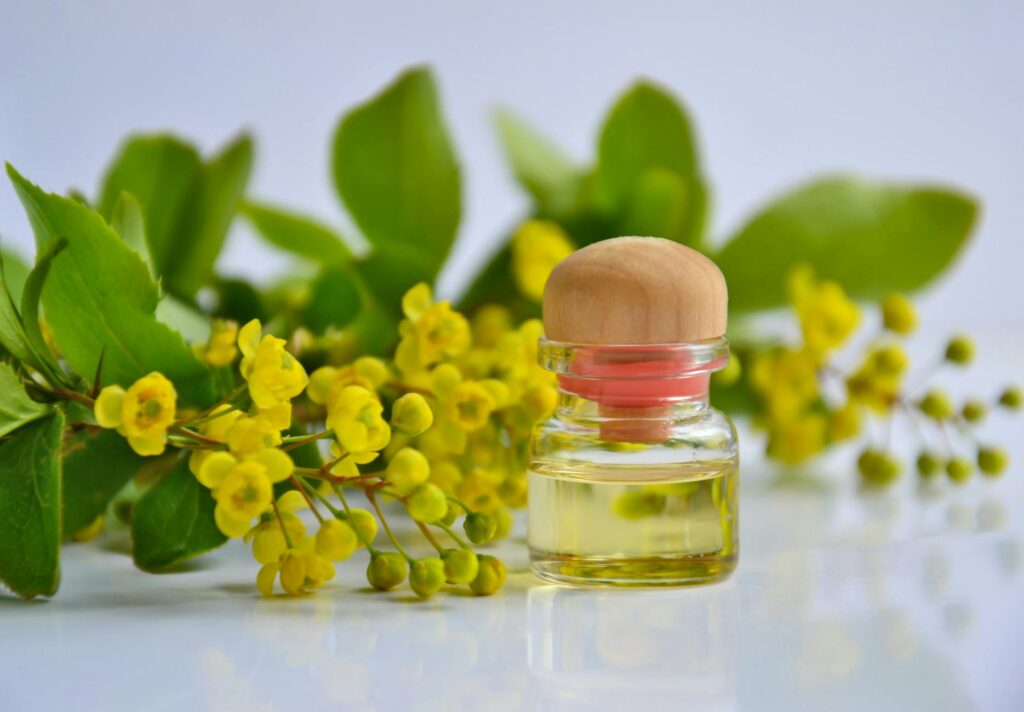
Complete Guide to Sunflower Oil Part 1
Introduction
Sunflower oil, derived from the seeds of the Helianthus annuus plant, has garnered attention for its versatile uses, nutritional benefits, and aromatic properties. As a staple in many kitchens and wellness practices, sunflower oil is celebrated not only for its culinary applications but also for its role in aromatherapy and personal care. This article serves as a comprehensive guide to sunflower oil, exploring its origin, benefits, uses, and more.
What Is Sunflower Oil?
Sunflower oil is a non-volatile oil extracted from the seeds of the sunflower plant. The extraction process typically involves cold-pressing or refining, which helps to retain its essential properties. The oil is characterized by its light color, mild flavor, and high smoke point, making it suitable for various cooking methods, including frying, sautéing, and baking.
Composition
Sunflower oil is primarily composed of fatty acids, including:
- Linoleic Acid (Omega-6): Makes up a significant portion of sunflower oil, contributing to heart health and skin nourishment.
- Oleic Acid (Omega-9): Known for its role in reducing bad cholesterol levels.
- Palmitic Acid: A saturated fat that is present in smaller amounts.
- Heart Health: The high levels of unsaturated fats, particularly linoleic acid, can help lower cholesterol levels and support cardiovascular health.
- Skin Health: Rich in vitamin E, sunflower oil is often used in skincare products due to its moisturizing properties and ability to protect against environmental damage.
- Anti-inflammatory Properties: Sunflower oil may help reduce inflammation, making it a valuable addition to diets focused on overall wellness.
- Cooking: Due to its high smoke point (approximately 440°F or 227°C), sunflower oil is ideal for frying and sautéing.
- Salad Dressings: Its mild flavor makes it a popular choice for vinaigrettes and dressings.
- Baking: Sunflower oil can be used in baked goods, providing moisture without overpowering other flavors.
- Moisturizers: Sunflower oil is often included in lotions and creams for its emollient properties.
- Hair Care: Used in shampoos and conditioners, it can help to hydrate and nourish hair.
- Massage Oils: Its lightweight texture allows for easy absorption, making it a favored base for massage blends.
- Lavender: Known for its calming effects, lavender essential oil can be blended with sunflower oil for relaxation.
- Peppermint: For a refreshing and invigorating blend, peppermint essential oil can be mixed with sunflower oil.
- Tea Tree: This essential oil’s antiseptic properties can be enhanced when combined with sunflower oil for skincare applications.
- Cool, Dark Place: Store sunflower oil in a cool, dark area away from direct sunlight and heat sources. Exposure to light and heat can lead to rancidity.
- Tightly Sealed Containers: Ensure that the oil is stored in a tightly sealed container to prevent oxidation.
In addition to fatty acids, sunflower oil is rich in vitamin E, an antioxidant that supports skin health and may help protect cells from oxidative stress.
Key Benefits and Properties
Sunflower oil possesses several beneficial properties that make it a popular choice in both culinary and wellness applications.
Nutritional Benefits
Antioxidant Properties
In addition to vitamin E, sunflower oil contains other antioxidants that may help combat free radicals in the body. These compounds can play a role in slowing down the aging process and reducing the risk of chronic diseases.
Non-comedogenic Nature
Sunflower oil is considered non-comedogenic, meaning it is less likely to clog pores. This makes it suitable for various skin types, including oily and acne-prone skin.
Common Uses
Sunflower oil is incredibly versatile and can be used in various applications, including:
Culinary Uses
Cosmetic Uses
Aromatherapy Applications
While sunflower oil is not typically used as an essential oil, it can serve as a carrier oil in aromatherapy practices. Its neutral scent and skin-friendly properties make it an excellent base for diluting essential oils, allowing for safe application on the skin.
Blending with Essential Oils
Sunflower oil can be blended with various essential oils to create customized aromatic experiences. Popular essential oils that pair well with sunflower oil include:
Diffusion
Although sunflower oil is not typically used in diffusers, it can be used to dilute essential oils for topical application, ensuring that the oils are safe for the skin.
Safety Considerations
While sunflower oil is generally safe for most individuals, there are several considerations to keep in mind:
Allergies
Some individuals may have allergies to sunflower seeds or oil. It is advisable to perform a patch test before using sunflower oil on the skin or incorporating it into dietary practices.
Oily Skin Types
Although sunflower oil is non-comedogenic, individuals with oily or acne-prone skin should monitor their reactions when using it topically. It may be beneficial to consult a skincare professional for personalized guidance.
Dietary Considerations
For those with specific dietary restrictions or conditions such as hyperlipidemia, it is essential to consult with a nutritionist or healthcare provider before incorporating significant amounts of sunflower oil into the diet.
Storage and Shelf Life
Proper storage of sunflower oil is crucial to maintain its quality and extend its shelf life.
Storage Conditions
Shelf Life
When stored correctly, sunflower oil can last between 9 to 12 months. It is advisable to check the oil for any off odors or changes in color before use, as these can indicate spoilage.
Frequently Asked Questions
1. Can sunflower oil be used for frying?
Yes, sunflower oil has a high smoke point, making it suitable for frying and other high-heat cooking methods.
2. Is sunflower oil good for skin?
Sunflower oil is often used in skincare products for its moisturizing properties and is generally safe for various skin types.
3. Can sunflower oil be used as a carrier oil for essential oils?
Yes, sunflower oil is an excellent carrier oil due to its light texture and skin-friendly properties.
4. What is the difference between refined and unrefined sunflower oil?
Refined sunflower oil undergoes processing to remove impurities, resulting in a higher smoke point and a more neutral flavor. Unrefined sunflower oil retains more nutrients and has a stronger flavor but may have a lower smoke point.
5. Is sunflower oil suitable for individuals with nut allergies?
Sunflower oil is vegetable-based and is generally safe for individuals with nut allergies. However, it’s essential to check for any cross-contamination during processing.
Conclusion
Sunflower oil is an incredibly versatile oil with a wide range of benefits and applications. From its culinary uses to its role in skincare and aromatherapy, sunflower oil stands out as a valuable addition to both health-conscious diets and wellness practices. As we continue to explore the multifaceted world of sunflower oil in Part 2, we will delve deeper into its environmental impact, production methods, and more specialized uses in various industries.