
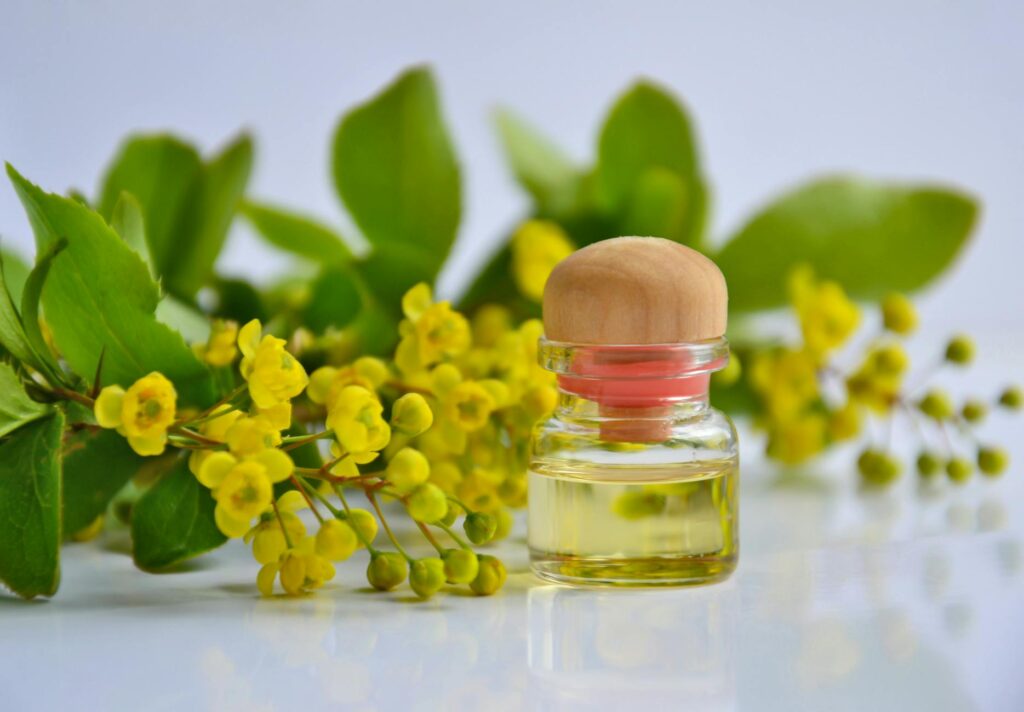
Complete Guide to Sunflower Oil Part 3
Introduction
Sunflower oil, derived from the seeds of the Helianthus annuus plant, has gained considerable popularity for its diverse applications in cooking, skincare, and aromatherapy. In this comprehensive guide, we will explore the characteristics, benefits, common uses, and safety considerations associated with sunflower oil. This article is part of a series aimed at educating readers on the multifaceted world of essential oils and their applications in daily life.
What Is Sunflower Oil?
Sunflower oil is a light, non-volatile oil that is extracted from the seeds of the sunflower plant. The extraction process typically involves cold pressing or refining, both of which help to preserve the oil’s nutritional and aromatic properties. Sunflower oil is rich in fatty acids, particularly linoleic acid (omega-6) and oleic acid (omega-9), making it a valuable addition to various applications in cooking and personal care.
The oil is characterized by its pale yellow color and mild flavor, which allows it to be used as a versatile cooking oil. Additionally, it has a high smoke point, making it suitable for frying and sautéing.
Key Benefits and Properties
Sunflower oil is recognized for its numerous benefits, which can be categorized into nutritional, cosmetic, and therapeutic properties:
Nutritional Benefits
1. Rich in Unsaturated Fats: Sunflower oil is predominantly composed of unsaturated fats, which are considered heart-healthy. These fats can contribute to lowering bad cholesterol levels when consumed in moderation.
2. Vitamin E Content: Sunflower oil is an excellent source of vitamin E, a potent antioxidant that helps protect cells from oxidative stress. This vitamin is essential for maintaining healthy skin and may support immune function.
3. Essential Fatty Acids: The oil contains essential fatty acids, which play a crucial role in various bodily functions including hormone production and cell membrane integrity.
Cosmetic Benefits
1. Moisturizing Properties: Sunflower oil is known for its emollient properties, making it an effective moisturizer for the skin. It helps to lock in moisture and can be beneficial for dry or sensitive skin.
2. Anti-inflammatory Effects: The oil has natural anti-inflammatory properties that may help to soothe irritated skin, making it suitable for use in skincare formulations for conditions like eczema or psoriasis.
3. Non-comedogenic: Sunflower oil is considered non-comedogenic, meaning it is unlikely to clog pores, making it a favorable choice for facial oils and moisturizers.
Therapeutic Properties
1. Aromatherapy Benefits: Although sunflower oil is not an essential oil, it can serve as a carrier oil for essential oils in aromatherapy. Its mild aroma allows it to blend well with various essential oils, enhancing their therapeutic effects.
2. Skin Barrier Support: The oil aids in strengthening the skin’s natural barrier, which can be particularly beneficial in maintaining skin health in harsh environmental conditions.
Common Uses
Culinary Applications
Sunflower oil is widely used in cooking due to its high smoke point and neutral flavor. Common culinary uses include:
- Frying and Sautéing: Its high smoke point makes it ideal for frying foods without the risk of smoke or off-flavors.
- Baking: The oil can be used in baked goods, providing moisture and enhancing texture.
- Salad Dressings and Marinades: Its mild flavor makes sunflower oil a great base for salad dressings and marinades.
- Lotions and Creams: It is often included in formulations to enhance hydration.
- Lip Balms: The oil’s emollient properties make it suitable for soothing dry lips.
- Cleansers: Sunflower oil can be used in oil-based cleansers to dissolve makeup while providing skin nourishment.
- Conditioners: It helps to moisturize and nourish the hair, preventing dryness and promoting shine.
- Hair Masks: Used in hair masks for deep conditioning treatments.
- Lavender: Known for its calming effects, lavender essential oil infused in sunflower oil can create a soothing massage oil.
- Peppermint: When blended with sunflower oil, peppermint essential oil can provide a refreshing sensation, suitable for muscle relief.
- Tea Tree: The antibacterial properties of tea tree oil can be enhanced when mixed with sunflower oil for topical applications.
Skincare Products
Due to its moisturizing and nourishing properties, sunflower oil is a common ingredient in:
Hair Care
Sunflower oil is also found in various hair care products:
Aromatherapy Applications
While sunflower oil is not an essential oil, it is often utilized as a carrier oil in aromatherapy. Carrier oils are used to dilute essential oils before topical application to ensure safety and enhance absorption. Sunflower oil’s light texture and mild aroma make it an excellent choice for blending with various essential oils.
Blending with Essential Oils
Popular essential oils that pair well with sunflower oil include:
Aromatherapy Techniques
1. Massage: Sunflower oil can be used as a base for massage oils, providing a smooth glide while delivering the therapeutic benefits of essential oils.
2. Diffusion: While sunflower oil is not typically used in diffusers, it can be used in oil blends applied to the skin for localized effects.
3. Baths: Adding sunflower oil to bathwater can help to moisturize the skin while enjoying the aromatic benefits of added essential oils.
Safety Considerations
While sunflower oil is generally considered safe for most people, there are a few precautions to keep in mind:
1. Allergic Reactions: Some individuals may be allergic to sunflower seeds or oil. It is advisable to perform a patch test before using products containing sunflower oil on the skin.
2. Quality Matters: Opt for high-quality, cold-pressed sunflower oil to ensure you are receiving the maximum benefits. Refined oils may lack some of the nutritional and therapeutic properties.
3. Moderation in Consumption: While sunflower oil contains healthy fats, it is still calorie-dense. Moderation is key in culinary applications to maintain a balanced diet.
Storage and Shelf Life
Proper storage of sunflower oil is crucial to maintain its quality and extend its shelf life. Here are some guidelines:
1. Cool, Dark Place: Store sunflower oil in a cool, dark cabinet away from direct sunlight to prevent oxidation and rancidity.
2. Seal Tightly: Ensure the bottle is tightly sealed to minimize exposure to air, which can degrade the oil.
3. Expiration Date: Check the expiration date on the bottle. Typically, sunflower oil can last for 6-12 months when stored properly.
4. Refrigeration: For extended shelf life, consider refrigerating sunflower oil, though this may cause it to become cloudy. It will return to its clear state once brought back to room temperature.
Frequently Asked Questions
1. Is sunflower oil suitable for cooking at high temperatures?
Yes, sunflower oil has a high smoke point, typically around 440°F (227°C), making it suitable for frying and sautéing.
2. Can sunflower oil clog pores?
Sunflower oil is considered non-comedogenic, meaning it is unlikely to clog pores. It is often recommended for use in skincare products for various skin types.
3. Is sunflower oil good for hair?
Yes, sunflower oil can be beneficial for hair health. It helps to moisturize, nourish, and add shine to hair, making it a popular ingredient in hair care products.
4. Can I use sunflower oil in aromatherapy?
While sunflower oil is not an essential oil, it is an excellent carrier oil for diluting essential oils in aromatherapy applications.
5. How can I tell if sunflower oil has gone bad?
Rancid sunflower oil may have an off odor or taste. If you notice any changes in smell or flavor, it is advisable to discard the oil.
In summary, sunflower oil is a versatile oil with a wide range of culinary, cosmetic, and therapeutic uses. Its rich nutrient profile and beneficial properties make it a valuable addition to both cooking and personal care routines. By understanding its benefits, applications, and safety considerations, individuals can make informed choices regarding the use of sunflower oil in their daily lives.