
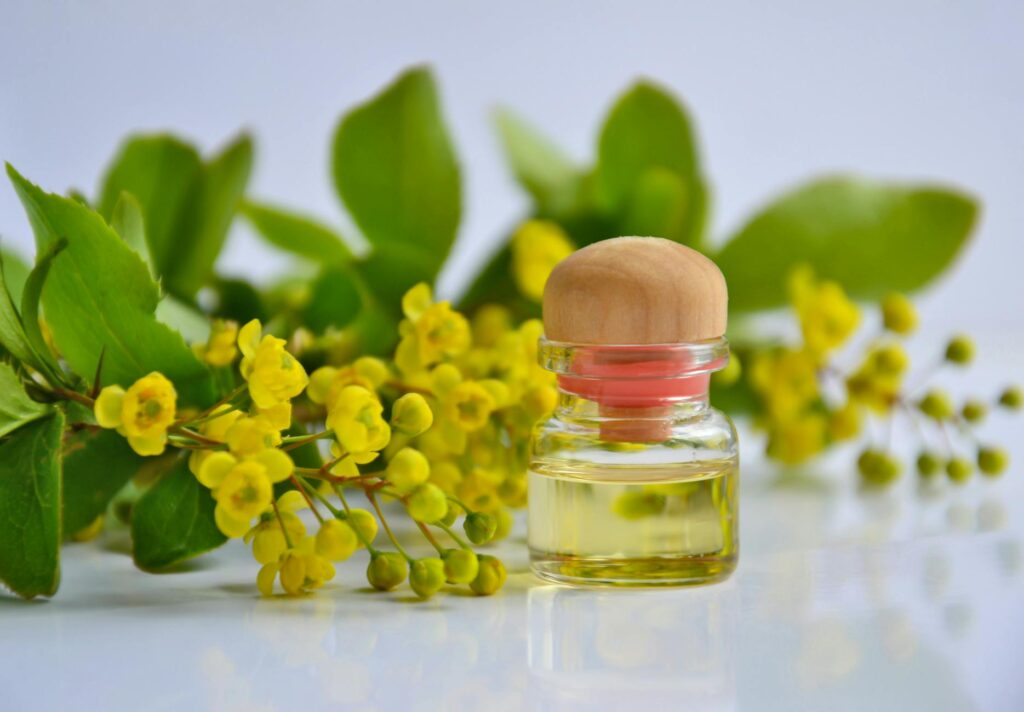
Complete Guide to Sunflower Oil Part 4
Introduction
Sunflower oil, derived from the seeds of the Helianthus annuus plant, has garnered attention for its multifaceted uses in various domains, including cooking, cosmetics, and aromatherapy. This guide aims to provide an in-depth understanding of sunflower oil, its properties, benefits, applications, and safety considerations, contributing to a well-rounded knowledge base for enthusiasts and practitioners alike.
What Is Sunflower Oil?
Sunflower oil is a pale yellow oil extracted from the seeds of the sunflower plant. The extraction process typically involves either cold pressing or refining, which can include chemical methods. The oil is primarily composed of unsaturated fatty acids, including oleic acid and linoleic acid, making it a popular choice for culinary and therapeutic uses. Sunflower oil is known for its light flavor and high smoke point, which makes it suitable for various cooking methods, including frying, baking, and sautéing.
Types of Sunflower Oil
There are several types of sunflower oil available, each with distinct properties:
1. Refined Sunflower Oil: This type undergoes processing to remove impurities, making it more stable for high-temperature cooking.
2. Cold-Pressed Sunflower Oil: Extracted without heat, this oil retains more nutrients and has a richer flavor, making it suitable for salad dressings and finishing oils.
3. High Oleic Sunflower Oil: This variant has a higher concentration of oleic acid, which enhances its shelf life and stability, making it ideal for frying and baking.
Key Benefits and Properties
Sunflower oil boasts several beneficial properties that contribute to its popularity:
Nutritional Benefits
- Rich in Vitamin E: Sunflower oil is a significant source of tocopherols, which are antioxidants that help protect cells from oxidative stress.
- Heart-Healthy Fats: The high levels of unsaturated fats, particularly polyunsaturated fats, can support cardiovascular health by helping to lower bad cholesterol levels.
- Moisturizing Properties: Sunflower oil is often used in skincare products due to its ability to lock in moisture, making it ideal for dry skin.
- Non-Comedogenic: This means that it does not clog pores, making it suitable for acne-prone skin.
- Hair Conditioning: Its emollient properties make sunflower oil an excellent choice for hair care, providing shine and reducing frizz.
- Cooking Oil: Its high smoke point makes sunflower oil suitable for frying and sautéing.
- Salad Dressings: Cold-pressed sunflower oil offers a mild flavor that enhances salads without overpowering other ingredients.
- Baking: Often used in baked goods to improve texture and moisture.
- Moisturizers: Frequently included in creams and lotions for its hydrating properties.
- Massage Oil: Its smooth texture makes it a favored base for massage blends.
- Hair Products: Used in shampoos and conditioners for its conditioning effects.
- Biofuel: Sunflower oil can be processed into biodiesel, serving as a renewable energy source.
- Soap Production: Its fatty acid composition makes it a suitable ingredient in soap-making.
- Lavender: Known for its calming effects, lavender essential oil can be blended with sunflower oil for a relaxing massage.
- Peppermint: This invigorating oil can be mixed with sunflower oil for a refreshing and cooling effect, perfect for foot rubs.
- Tea Tree: Often used for its antiseptic properties, tea tree oil can be diluted in sunflower oil for topical application.
- Cool, Dark Place: Sunflower oil should be stored in a cool, dark environment to prevent oxidation and rancidity.
- Sealed Containers: Always keep the oil in tightly sealed containers to minimize exposure to air.
- Refined Sunflower Oil: Typically lasts about 12 months when stored properly.
- Cold-Pressed Sunflower Oil: Generally has a shorter shelf life of 6 to 12 months due to its higher nutrient content, which makes it more susceptible to spoilage.
Skin and Hair Benefits
Common Uses
Sunflower oil has a wide range of applications across various fields:
Culinary Uses
Cosmetic and Skincare Products
Industrial Uses
Aromatherapy Applications
In aromatherapy, sunflower oil is often utilized as a carrier oil due to its neutral scent and skin-friendly properties. It serves as a base for diluting essential oils, facilitating their application in various practices.
Blending with Essential Oils
Sunflower oil is particularly effective when blended with essential oils, as it allows for the safe application of potent oils onto the skin. Popular essential oils that pair well with sunflower oil include:
Diffusion
While sunflower oil is less common in diffusion compared to essential oils, it can be used in a diffuser blend to create a soothing atmosphere. However, it is important to note that sunflower oil is not typically used in traditional diffusion methods.
Safety Considerations
While sunflower oil is generally considered safe for most users, several precautions should be taken:
Allergies
Individuals with allergies to sunflower seeds should avoid using sunflower oil. It is essential to conduct a patch test when using sunflower oil for the first time, particularly in skincare applications.
Skin Sensitivity
Although sunflower oil is non-comedogenic, it may cause irritation in some individuals with sensitive skin. Always perform a patch test before applying it to larger areas.
Quality and Purity
Selecting high-quality, cold-pressed sunflower oil is crucial to ensure that the beneficial properties are retained. Look for oils that are free of additives and preservatives.
Storage and Shelf Life
Proper storage is vital to maintain the quality and efficacy of sunflower oil:
Storage Conditions
Shelf Life
The shelf life of sunflower oil can vary depending on its processing method:
Frequently Asked Questions
1. Can sunflower oil be used for frying?
Yes, sunflower oil has a high smoke point, making it suitable for frying and other high-temperature cooking methods.
2. Is sunflower oil safe for sensitive skin?
While sunflower oil is generally safe, individuals with sensitive skin should perform a patch test before using it extensively.
3. How can I tell if my sunflower oil has gone bad?
Signs of rancidity include an off smell, change in color, or a bitter taste. If you notice any of these signs, it is best to discard the oil.
4. Can sunflower oil be used in aromatherapy?
Sunflower oil is frequently used as a carrier oil in aromatherapy to dilute essential oils for topical application.
5. What is the difference between refined and cold-pressed sunflower oil?
Refined sunflower oil undergoes processing to remove impurities and is stable for high-temperature cooking. Cold-pressed sunflower oil retains more nutrients and flavor, making it ideal for dressings and finishing dishes.
Conclusion
Sunflower oil is a versatile and beneficial oil with a wide range of applications in culinary, cosmetic, and therapeutic domains. Understanding its properties, uses, and safety considerations can empower individuals to incorporate sunflower oil into their daily routines effectively. Whether used for cooking, skincare, or aromatherapy, sunflower oil remains a valuable resource for enhancing well-being and enjoyment.