
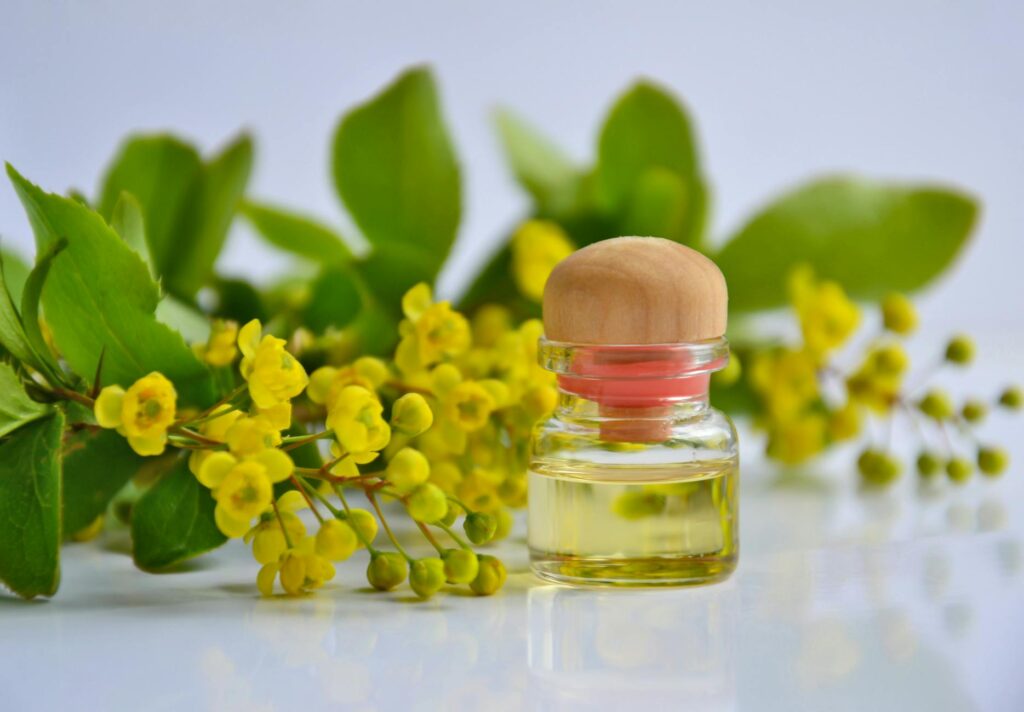
Complete Guide to Sunflower Oil Part 6
Introduction
Sunflower oil, derived from the seeds of the sunflower (Helianthus annuus), is a versatile oil cherished for its culinary and therapeutic properties. With a rich history rooted in various cultures, sunflower oil has become a staple in kitchens and wellness practices globally. This guide delves into the multifaceted world of sunflower oil, exploring its benefits, uses, and applications, particularly within the realm of aromatherapy.
What Is Sunflower Oil?
Sunflower oil is a type of vegetable oil extracted from the seeds of the sunflower plant. The extraction process typically involves pressing the seeds to release their oil. Cold-pressed and refined variations are available, with cold-pressed oil retaining more nutrients and flavor.
The oil is primarily composed of unsaturated fatty acids, including oleic and linoleic acids, making it a healthy choice for various culinary applications. Rich in vitamin E, sunflower oil is also known for its antioxidant properties, which contribute to its longevity and stability.
Key Benefits and Properties
Sunflower oil boasts several beneficial properties, making it a popular choice for cooking and skincare. Here are some notable benefits:
Nutrient-Rich Composition
Sunflower oil is abundant in essential fatty acids, particularly linoleic acid (omega-6) and oleic acid (omega-9), which are vital for maintaining healthy skin and overall bodily functions. The presence of vitamin E further enhances its nutritional profile, acting as a powerful antioxidant that helps protect cells from oxidative stress.
Skin Hydration and Nourishment
The emollient properties of sunflower oil make it an excellent moisturizer for the skin. It penetrates easily, providing hydration without clogging pores. Its anti-inflammatory properties can help soothe irritated skin, making it suitable for various skin types.
Heart Health
Due to its high content of unsaturated fats, sunflower oil can contribute to heart health when used in moderation. The oil may help lower bad cholesterol levels and promote overall cardiovascular well-being.
Cooking Versatility
Sunflower oil has a high smoke point, making it ideal for frying, sautéing, and baking. Its neutral flavor allows it to complement a wide range of dishes without overpowering other ingredients.
Common Uses
Sunflower oil is employed in numerous applications, both culinary and non-culinary. Here are some common uses:
Culinary Applications
1. Cooking and Baking: Due to its high smoke point, sunflower oil is widely used for frying and sautéing. It is also an excellent choice for baking, as it adds moisture and richness to various recipes.
2. Salad Dressings and Marinades: Its neutral flavor and light texture make sunflower oil an excellent base for salad dressings and marinades. It can be combined with vinegar, herbs, and spices to create flavorful dressings.
3. Food Industry: Sunflower oil is commonly used in the food industry for processed foods, snacks, and margarine, owing to its stability and affordability.
Skincare and Cosmetics
1. Moisturizers and Creams: Sunflower oil is frequently incorporated into skincare products due to its hydrating properties. It is often found in lotions, creams, and serums, helping to nourish and protect the skin.
2. Massage Oil: The smooth texture and absorbent nature of sunflower oil make it an excellent choice for massage oils. It glides easily over the skin, providing a soothing experience.
3. Hair Care: Sunflower oil can be used as a conditioner or treatment for hair, helping to hydrate and add shine. It can also aid in reducing frizz and improving manageability.
Aromatherapy Applications
While sunflower oil is not an essential oil, it serves as a carrier oil in aromatherapy, allowing for the safe dilution of essential oils before topical application. Its light texture and skin-friendly properties make it an ideal choice for this purpose.
Blending with Essential Oils
Sunflower oil can be blended with various essential oils, such as lavender, tea tree, or eucalyptus, to create personalized aromatherapy blends. The carrier oil helps to dilute the potency of essential oils, ensuring they can be applied safely to the skin.
Massage and Relaxation
Incorporating sunflower oil into massage practices enhances relaxation and promotes a soothing experience. When combined with essential oils known for their calming properties, such as chamomile or bergamot, sunflower oil can create a tranquil atmosphere conducive to stress relief.
Safety Considerations
While sunflower oil is generally considered safe for most individuals, there are some important safety considerations to keep in mind:
Allergies
Individuals with allergies to sunflower seeds should exercise caution, as sunflower oil may trigger allergic reactions. It is advisable to conduct a patch test when using sunflower oil topically for the first time.
Quality of Oil
The quality of sunflower oil can vary significantly between brands and types (cold-pressed vs. refined). It is essential to choose high-quality, organic sunflower oil to ensure the best benefits. Look for oils that are free from additives and preservatives.
Usage in Aromatherapy
When using sunflower oil as a carrier oil in aromatherapy, it is crucial to properly dilute essential oils. A general guideline is to use 2-3 drops of essential oil per teaspoon of carrier oil. This helps prevent skin irritation and ensures safe application.
Storage and Shelf Life
Proper storage of sunflower oil is vital to maintain its freshness and quality. Here are some tips for optimal storage:
Storage Conditions
- Cool, Dark Place: Store sunflower oil in a cool, dark place, away from direct sunlight and heat sources. This helps prevent oxidation and preserves its nutritional properties.
- Airtight Container: Use an airtight container to minimize exposure to air. Glass containers are often preferred over plastic, as they do not leach chemicals into the oil.
Shelf Life
The shelf life of sunflower oil varies depending on the extraction method and storage conditions. Generally, refined sunflower oil can last up to 12 months, while cold-pressed varieties may have a shorter shelf life of about 6-8 months. Always check for changes in color, smell, or flavor, as these can indicate spoilage.
Frequently Asked Questions
1. Can sunflower oil be used for frying?
Yes, sunflower oil’s high smoke point makes it suitable for frying, sautéing, and baking.
2. Is sunflower oil safe for all skin types?
Sunflower oil is generally well-tolerated by most skin types, but individuals with allergies to sunflower seeds should avoid it. Conduct a patch test for sensitive skin.
3. How do I choose a high-quality sunflower oil?
Look for organic, cold-pressed sunflower oil that is free from additives and preservatives. Check for certifications and read labels carefully.
4. Can sunflower oil be used in aromatherapy?
While sunflower oil is not an essential oil, it is an excellent carrier oil for diluting essential oils. It can enhance the benefits of aromatherapy when blended properly.
5. What are the benefits of using sunflower oil for hair?
Sunflower oil can help hydrate hair, reduce frizz, and improve manageability. It provides nourishment and shine without weighing hair down.
—
In conclusion, sunflower oil is a remarkable oil with a wide range of applications, from culinary uses to skincare and aromatherapy. Its beneficial properties make it a valuable addition to both cooking and wellness practices. By understanding its uses, benefits, and safety considerations, individuals can fully appreciate the versatility of sunflower oil in their daily lives.