
Complete Guide to Sweet Almond Oil Part 1
Introduction
Sweet almond oil, derived from the seeds of the Prunus amygdalus dulcis tree, has been cherished for centuries for its versatility and beneficial properties. Known for its rich, nutty aroma and light texture, this oil has found its place not only in culinary applications but also in skincare and aromatherapy. This guide aims to provide a comprehensive overview of sweet almond oil, exploring its benefits, uses, and safety considerations.
What Is Sweet Almond Oil?
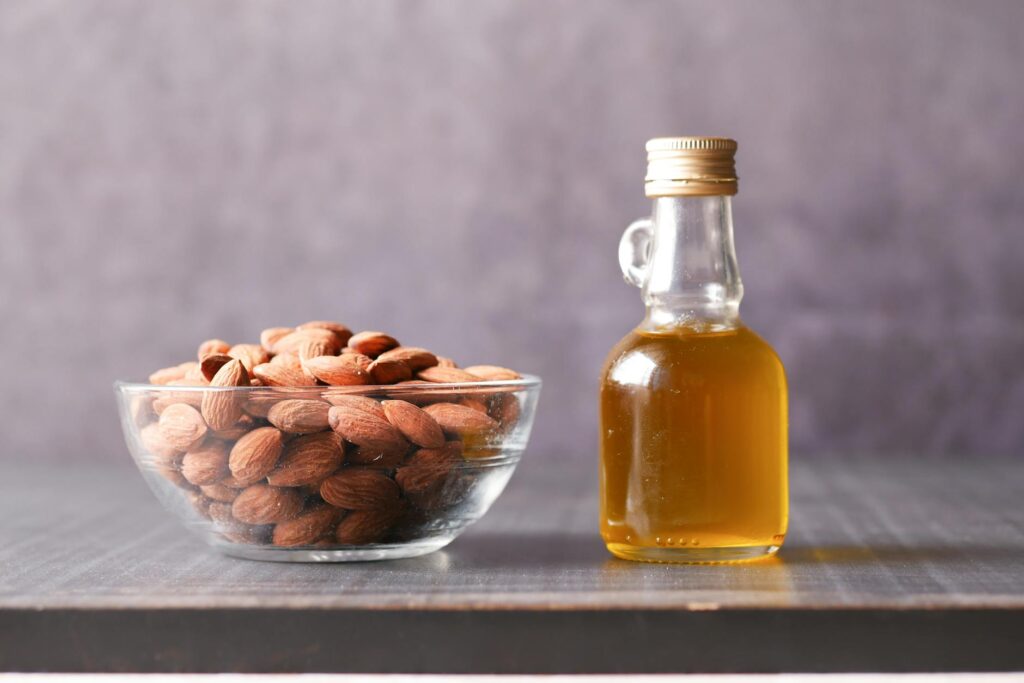
Sweet almond oil is extracted from the ripe seeds of the sweet almond tree through a process of cold-pressing or refining. The oil is pale yellow in color and possesses a mild, pleasant fragrance. Unlike bitter almond oil, which is derived from a different variety of the almond tree and contains toxic compounds, sweet almond oil is safe for topical and culinary use.
The oil is rich in vitamins, particularly vitamin E, and essential fatty acids, making it a popular choice in both personal care and holistic practices. Its emollient properties enable it to nourish and hydrate the skin, while its light texture allows for easy absorption.
Key Benefits and Properties
Sweet almond oil is celebrated for its numerous benefits and properties:
Nutrient-Rich Composition
Sweet almond oil is primarily composed of monounsaturated fatty acids, particularly oleic and linoleic acids. These fatty acids play a crucial role in maintaining healthy skin and hair. Additionally, it contains vitamins such as:
- Vitamin E: Acts as an antioxidant and helps to protect skin cells from oxidative stress.
- Vitamin A: Contributes to skin health and may help in promoting a clear complexion.
- Moisturizer: Due to its hydrating properties, it is often used as a moisturizer in lotions, creams, and serums.
- Makeup Remover: Its gentle nature makes it an effective makeup remover, capable of dissolving even waterproof products without irritating the skin.
- Massage Oil: Often blended with other essential oils, sweet almond oil serves as an excellent carrier oil for massage therapy.
- Conditioner: Sweet almond oil can be applied as a leave-in conditioner to add shine and reduce frizz.
- Scalp Treatment: It may help soothe an itchy or dry scalp, promoting overall hair health.
- Cooking and Baking: Used in various cooking methods, sweet almond oil adds a subtle nutty flavor to dishes. It is ideal for sautéing vegetables and enhancing salad dressings.
- Nut Milk: When blended with water, sweet almond oil can be used to create almond milk, a popular dairy alternative.
- Lavender: Known for its calming properties, when combined with sweet almond oil, it may promote relaxation and reduce stress.
- Tea Tree: This combination can be beneficial for skin conditions due to tea tree oil’s antibacterial properties.
- Peppermint: The invigorating effects of peppermint oil, when combined with sweet almond oil, can provide a refreshing massage experience.
- Topical Application: Applied directly to the skin or mixed with essential oils for massages.
- Diffusion: While not typically used in diffusers, it can be added to a massage blend that is applied after a warm bath.
- Inhalation: A few drops can be added to a warm compress to promote a sense of calm and relaxation.
Skin Moisturization
One of the most notable properties of sweet almond oil is its ability to deeply moisturize the skin. Its emollient nature forms a protective barrier, reducing water loss and keeping the skin hydrated. This makes it suitable for various skin types, including dry, sensitive, and even oily skin.
Anti-Inflammatory Effects
Sweet almond oil has demonstrated anti-inflammatory properties, which can help soothe irritated skin and reduce redness. This is particularly beneficial for conditions such as eczema and psoriasis.
Nutritional Value
In culinary applications, sweet almond oil is rich in essential nutrients, including protein, which is vital for overall health. It can be incorporated into salad dressings, marinades, and baked goods, providing both flavor and nutritional benefits.
Common Uses
Sweet almond oil is multifaceted, finding applications in various fields:
Skin Care
Hair Care
Culinary Uses
Aromatherapy Applications
In aromatherapy, sweet almond oil acts primarily as a carrier oil, allowing essential oils to be diluted before application to the skin. This is essential for ensuring that the potent properties of essential oils are safely delivered without causing irritation.
Blending with Essential Oils
Sweet almond oil blends well with a variety of essential oils, enhancing their therapeutic effects. Commonly paired essential oils include:
Techniques of Use
Sweet almond oil can be utilized in several aromatherapy techniques, such as:
Safety Considerations
While sweet almond oil is generally safe for most individuals, certain precautions should be taken:
Allergies
Individuals with nut allergies should exercise caution, as sweet almond oil is derived from almonds. Conducting a patch test on a small area of skin is advisable before widespread use to check for any allergic reactions.
Skin Sensitivity
Although sweet almond oil is suitable for most skin types, some individuals may experience sensitivity. It is recommended to dilute the oil with a carrier oil or to use it in combination with essential oils to minimize potential irritation.
Consultation
For those with specific health concerns or skin conditions, consulting with a qualified professional before using sweet almond oil is recommended.
Storage and Shelf Life
To maintain its quality, sweet almond oil should be stored in a cool, dark place, away from direct sunlight. Proper storage helps to prevent oxidation and prolongs the oil’s shelf life. Generally, sweet almond oil can last for about 6 to 12 months when stored correctly. Always check for any changes in smell or appearance before use.
Container Options
For optimal storage, sweet almond oil should be kept in a dark glass bottle, which helps to protect it from light. If purchasing larger quantities, consider transferring the oil into smaller containers for regular use.
Frequently Asked Questions
1. Can sweet almond oil be used on all skin types?
Yes, sweet almond oil is generally suitable for most skin types, including dry, sensitive, and oily skin. However, individuals with nut allergies should avoid its use.
2. How should I use sweet almond oil for massage?
Sweet almond oil can be used as a standalone massage oil or mixed with essential oils. Warm the oil slightly before application to enhance the experience.
3. Is sweet almond oil safe for culinary use?
Yes, sweet almond oil is safe for culinary applications. It can be used in cooking, baking, and salad dressings, providing a rich flavor and nutritional benefits.
4. How do I know if the sweet almond oil is pure?
To ensure the purity of sweet almond oil, look for cold-pressed, organic, and unrefined labels. Pure sweet almond oil should have a light yellow color and a mild, nutty aroma.
5. Can sweet almond oil help with hair growth?
While sweet almond oil is known for its nourishing properties, its effectiveness for promoting hair growth can vary among individuals. It is best used as part of a holistic hair care routine.
—
In Part 2 of this guide, we will delve deeper into the applications of sweet almond oil in skincare, hair care, and culinary practices, along with additional tips and tricks for maximizing its benefits. Stay tuned for a comprehensive exploration of this versatile oil!