
Complete Guide to Sweet Almond Oil Part 11
Introduction
Sweet almond oil, extracted from the seeds of the Prunus amygdalus dulcis tree, has been widely used for centuries in various cultures for its versatile properties. As a carrier oil, it serves many purposes in skincare, aromatherapy, and even culinary applications. This comprehensive guide aims to explore sweet almond oil in depth, covering its characteristics, benefits, uses, and safety considerations.
What Is Sweet Almond Oil?
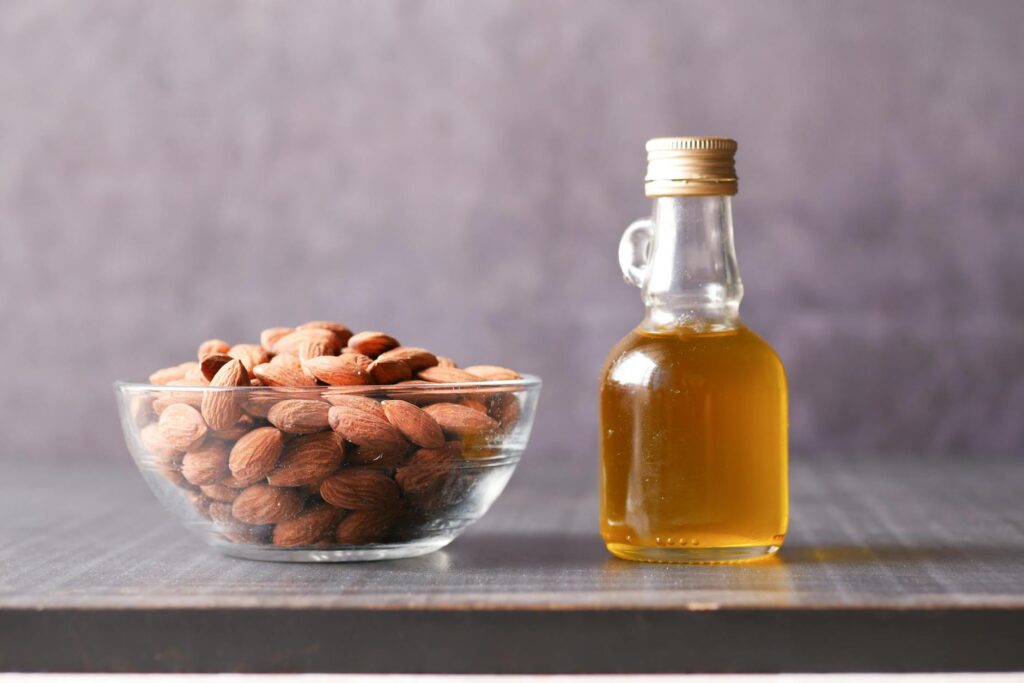
Sweet almond oil is a pale yellow liquid with a light, nutty aroma. It is derived from the seeds of the sweet almond tree, a species native to the Middle East and South Asia. The extraction process typically involves cold-pressing the seeds to retain their beneficial properties. The oil is rich in fatty acids, vitamins, and minerals, making it a popular choice in both cosmetic and therapeutic applications.
Composition
The oil primarily consists of:
- Fatty Acids: About 90% of sweet almond oil is made up of fatty acids, including oleic acid (approximately 60-70%) and linoleic acid (about 20-30%).
- Vitamins: It is high in vitamin E, which acts as an antioxidant, and also contains B vitamins, such as riboflavin and niacin.
- Minerals: Sweet almond oil contains essential minerals like magnesium, calcium, and potassium.
- Moisturizer: Frequently used as a base in lotions and creams, it hydrates and softens the skin.
- Makeup Remover: Its ability to dissolve makeup makes it an effective and gentle makeup remover.
- Massage Oil: Often used in massage therapy, it provides slip and nourishment while promoting relaxation.
- Conditioner: Sweet almond oil can be applied to dry hair as a leave-in conditioner, helping to add shine and reduce frizz.
- Scalp Treatment: Its moisturizing properties can help alleviate dry scalp and promote healthy hair growth.
- Lavender: For relaxation and stress relief.
- Tea Tree: For its antiseptic properties.
- Peppermint: For an energizing effect.
This unique composition contributes to its emollient properties and makes it suitable for various applications.
Key Benefits and Properties
Sweet almond oil is celebrated for its numerous benefits, particularly for skin and hair care. Some of its key properties include:
1. Moisturizing: The oil is an excellent moisturizer, penetrating the skin easily and providing hydration without leaving a greasy residue.
2. Nourishing: Rich in vitamins and minerals, it nourishes and revitalizes the skin and hair.
3. Soothing: Sweet almond oil has anti-inflammatory properties that can help soothe irritated skin and reduce redness.
4. Antioxidant: The presence of vitamin E helps protect the skin from oxidative stress and premature aging.
5. Gentle: Its mild nature makes it suitable for all skin types, including sensitive skin.
Common Uses
Sweet almond oil’s versatility allows it to be employed in various contexts:
Skincare
Hair Care
Culinary Uses
In addition to its cosmetic applications, sweet almond oil is also used in culinary settings. It can be drizzled over salads, used in baking, or added to sauces for a rich, nutty flavor.
Aromatherapy Applications
In aromatherapy, sweet almond oil serves primarily as a carrier oil, facilitating the safe application of essential oils. It can dilute potent essential oils, allowing for safe topical use.
Blending with Essential Oils
Sweet almond oil is compatible with a wide range of essential oils, including:
Diffusion
While sweet almond oil is not typically used in diffusers, it can be combined with essential oils to create a fragrant blend for topical application or massage.
Safety Considerations
While generally considered safe for most individuals, there are specific considerations to keep in mind:
1. Allergies: Those with nut allergies should avoid using sweet almond oil, as it may provoke an allergic reaction.
2. Skin Sensitivity: A patch test is recommended before using it on large areas of the skin to check for potential reactions.
3. Pregnancy and Nursing: While sweet almond oil is often deemed safe, it is advisable to consult with a healthcare professional before use during pregnancy or while nursing.
4. Quality: Always opt for high-quality, cold-pressed sweet almond oil to ensure maximum benefits. Look for organic and unrefined options when possible.
Storage and Shelf Life
To maintain the quality and extend the shelf life of sweet almond oil, proper storage is crucial:
1. Container: Store the oil in a dark glass bottle to protect it from light, which can lead to oxidation.
2. Temperature: Keep it in a cool, dry place away from direct sunlight and heat sources.
3. Shelf Life: When stored correctly, sweet almond oil can last for about 1 to 2 years. However, always check for signs of rancidity, such as an off smell or change in color before use.
Frequently Asked Questions
1. Can I use sweet almond oil on my face?
Yes, sweet almond oil is suitable for facial use due to its gentle and moisturizing properties. It is commonly used in facial serums and creams.
2. Is sweet almond oil comedogenic?
Sweet almond oil has a low comedogenic rating, meaning it is unlikely to clog pores. However, individual reactions may vary, so it’s best to patch test first.
3. Can sweet almond oil be used for cooking?
Yes, sweet almond oil is safe for culinary use and can enhance the flavor of dishes. However, it has a low smoke point, so it is better suited for drizzling or low-heat applications.
4. How can I incorporate sweet almond oil into my skincare routine?
You can use sweet almond oil as a standalone moisturizer, mix it with your favorite essential oils for a massage blend, or add it to your bath for a nourishing soak.
5. Is sweet almond oil suitable for all skin types?
Sweet almond oil is generally suitable for all skin types, including sensitive skin. However, individuals with nut allergies should avoid it.
Conclusion
Sweet almond oil is a highly versatile oil with a rich history and a wide array of benefits. From skincare to culinary applications, its nourishing properties make it a valuable addition to any routine. By understanding its uses, benefits, and safety considerations, one can fully appreciate this remarkable oil’s role in holistic health and wellness.