
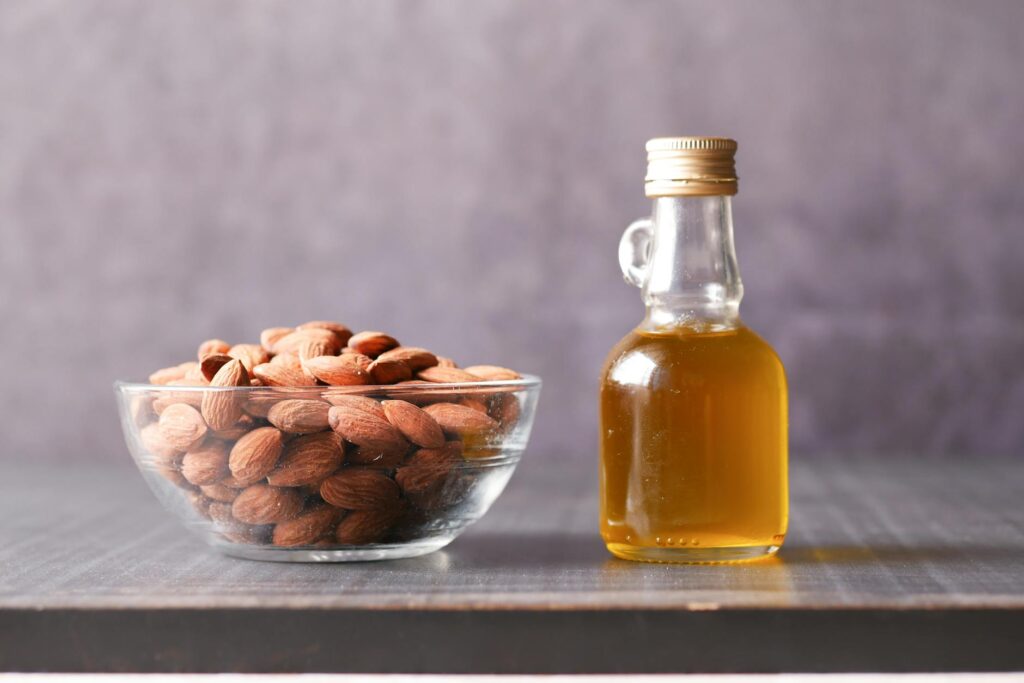
Complete Guide to Sweet Almond Oil Part 13
Introduction
Sweet almond oil is a versatile carrier oil that has gained popularity in various applications ranging from skincare to culinary uses. Extracted from the seeds of the Prunus amygdalus dulcis tree, sweet almond oil is renowned for its nourishing properties and its ability to blend seamlessly with essential oils. This guide aims to provide comprehensive information about sweet almond oil, exploring its origins, benefits, uses, and safety considerations.
What Is Sweet Almond Oil?
Sweet almond oil is obtained through the cold-pressing process of the dried seeds, or nuts, of the sweet almond tree. This oil is characterized by its light texture and mild, nutty aroma. It is often utilized in personal care products, massage therapies, and cooking due to its rich nutrient profile and emollient properties. The oil is distinct from bitter almond oil, which is derived from the seeds of the bitter almond tree and contains compounds that can be toxic in large quantities.
Key Benefits and Properties
Sweet almond oil is celebrated for a myriad of beneficial properties that contribute to its widespread use:
Nutrient-Rich Composition
- Vitamins: Rich in vitamins E, A, and B, sweet almond oil provides antioxidant properties that can help protect the skin from environmental stressors.
- Fatty Acids: The oil contains essential fatty acids, particularly oleic acid and linoleic acid, which are known for their ability to nourish and hydrate the skin.
- Minerals: It also contains minerals like magnesium, calcium, and potassium, which can support overall skin health.
- Moisturizers: Often incorporated into lotions and creams, sweet almond oil acts as a natural moisturizer, suitable for all skin types.
- Cleansers: The oil can be used as a gentle makeup remover or part of an oil cleansing method.
- Massage Oil: Its smooth texture makes it an ideal choice for massage therapy, providing slip without clogging pores.
- Lavender: Known for its calming properties, lavender oil combined with sweet almond oil can be used for relaxation and stress relief.
- Tea Tree: When blended, tea tree oil’s antiseptic qualities can be enhanced, making it suitable for treating skin blemishes.
- Peppermint: This combination can provide a refreshing and invigorating experience, perfect for massages.
- Temperature: Store the oil in a cool, dark place, away from direct sunlight and heat sources.
- Containers: Use dark glass bottles to help protect the oil from light exposure, which can degrade its quality over time.
Moisturizing Properties
Sweet almond oil is an excellent emollient, making it ideal for keeping the skin hydrated and preventing moisture loss. Its light texture allows for easy absorption without leaving a greasy residue.
Skin Protection
The oil’s antioxidant properties may help protect the skin from oxidative stress, reducing the appearance of fine lines and promoting overall skin health.
Anti-Inflammatory Effects
Sweet almond oil may have mild anti-inflammatory properties, making it beneficial for soothing irritated or inflamed skin.
Common Uses
Sweet almond oil is used in a variety of applications, owing to its compatibility with numerous other substances.
Skincare
Haircare
Sweet almond oil can be used as a hair conditioner or treatment. Its nourishing properties help to improve hair texture, reduce frizz, and promote shine.
Culinary Uses
In cooking, sweet almond oil is used as a salad dressing, in baking, or as a finishing oil to enhance flavor. Its mild taste complements a variety of dishes without overpowering them.
Aromatherapy
As a carrier oil, sweet almond oil is commonly used to dilute essential oils for aromatherapy applications, allowing for safe and effective topical use.
Aromatherapy Applications
In the realm of aromatherapy, sweet almond oil serves as a popular carrier oil due to its compatibility with various essential oils. It allows for the safe application of concentrated oils onto the skin while preserving their therapeutic properties.
Blending with Essential Oils
Sweet almond oil blends well with numerous essential oils, enhancing their effects while providing additional skin benefits. Popular essential oils to combine with sweet almond oil include:
Diffusion
While sweet almond oil is primarily used for topical applications, it can also be incorporated into homemade diffuser blends when mixed with essential oils, providing a pleasant aroma in indoor spaces.
Safety Considerations
While sweet almond oil is generally considered safe for most individuals, there are some important safety considerations to keep in mind:
Allergies
Individuals with nut allergies should exercise caution when using sweet almond oil, as it is derived from almonds. A patch test on a small area of skin is recommended before full application, especially for those with sensitivities.
Shelf Life
Sweet almond oil has a shelf life of approximately 6 to 12 months when stored properly. It is advisable to check for any off odors or changes in appearance before use.
Storage and Shelf Life
To ensure the longevity of sweet almond oil, proper storage is essential:
Frequently Asked Questions
1. Can sweet almond oil be used on all skin types?
Yes, sweet almond oil is generally suitable for all skin types, including sensitive skin. However, a patch test is recommended for those with known sensitivities.
2. Is sweet almond oil safe for babies?
Sweet almond oil can be used on babies, but it is advisable to consult with a pediatrician before introducing any new products to a baby’s skincare routine.
3. Can sweet almond oil be ingested?
While sweet almond oil is safe for culinary use, it is important to ensure that the oil is labeled as food-grade before consumption.
4. How do I incorporate sweet almond oil into my skincare routine?
Sweet almond oil can be applied directly to the skin as a moisturizer or mixed with other skincare products. It can also be used in DIY formulations, such as face masks or scrubs.
5. Is there a difference between sweet almond oil and bitter almond oil?
Yes, there is a significant difference. Sweet almond oil is safe for use and derived from the sweet almond tree, while bitter almond oil contains compounds that can be toxic and is not typically used in skincare or cooking.
Conclusion
Sweet almond oil is a remarkable oil with a variety of applications and benefits. Its nutrient-rich composition, moisturizing properties, and versatility make it an essential addition to both personal care routines and culinary practices. By understanding its benefits, uses, and safety considerations, individuals can harness the full potential of sweet almond oil in their everyday lives. Whether used for skincare, haircare, or aromatherapy, sweet almond oil remains a valuable resource in the realm of natural wellness.