
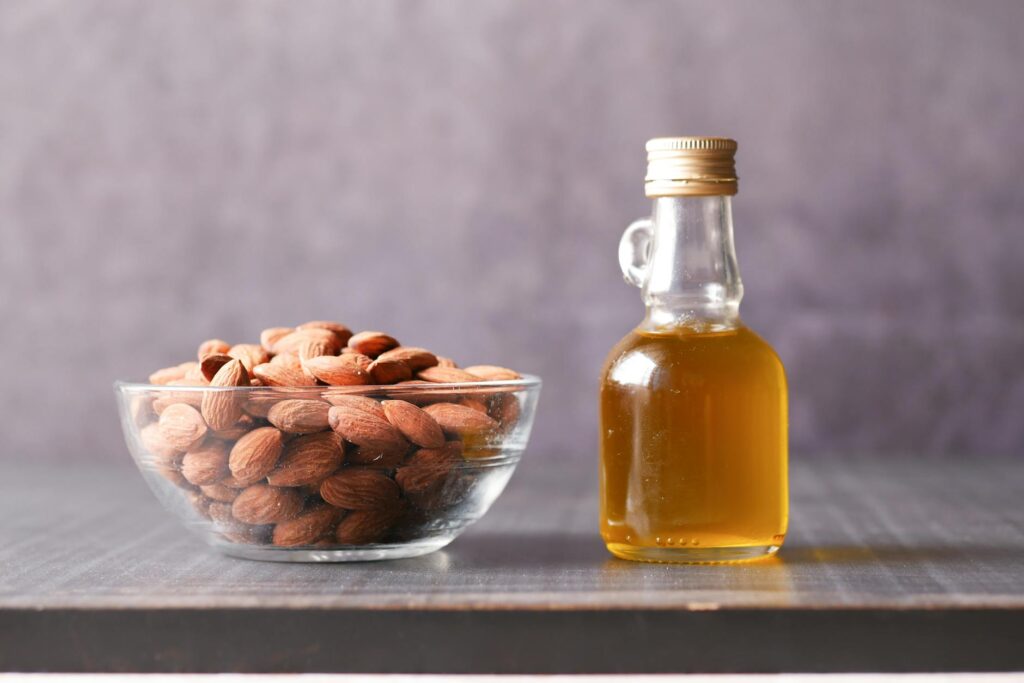
Complete Guide to Sweet Almond Oil Part 16
Introduction
Sweet almond oil is a versatile and widely used oil in both cosmetic and culinary applications. Extracted from the seeds of the Prunus amygdalus dulcis tree, sweet almond oil has been cherished for centuries for its rich nutrient profile and various beneficial properties. This guide aims to provide a comprehensive overview of sweet almond oil, exploring its composition, uses, benefits, and more.
What Is Sweet Almond Oil?
Sweet almond oil is derived from the dried seeds of the sweet almond tree, a species that thrives in warm climates, primarily in regions such as the Mediterranean, California, and parts of Asia. The oil is obtained through a process of cold pressing, which helps preserve its natural properties and nutrients.
The oil is characterized by its light texture and mild, nutty aroma. It is often used in skincare, haircare, and culinary applications due to its emollient properties and nutritional benefits.
Key Benefits and Properties
Sweet almond oil is rich in vitamins, minerals, and essential fatty acids, making it a valuable addition to various beauty and wellness routines. Some of its key properties include:
Nutrient-Rich Composition
1. Vitamins: Sweet almond oil is a good source of Vitamin E, an antioxidant that helps protect cells from oxidative stress. It also contains Vitamin A, which is known to support skin health.
2. Fatty Acids: The oil is high in monounsaturated fatty acids, particularly oleic acid, which can help maintain skin hydration and elasticity.
3. Minerals: Sweet almond oil contains essential minerals like magnesium, calcium, and potassium, contributing to its overall health benefits.
Emollient Properties
Due to its high fatty acid content, sweet almond oil acts as an excellent emollient. It helps to lock in moisture, making it beneficial for dry or sensitive skin. Its non-greasy texture allows for easy absorption, making it suitable for various skin types.
Anti-Inflammatory Effects
The oil has been noted for its mild anti-inflammatory properties, which can help soothe irritation and redness in the skin.
Common Uses
Sweet almond oil is utilized in a variety of applications, including:
Skincare
- Moisturizer: Often used as a base for lotions and creams, sweet almond oil provides deep hydration.
- Makeup Remover: Its gentle nature makes it effective for removing makeup without irritating the skin.
- Massage Oil: Its smooth texture and pleasant aroma make it a popular choice for massage therapists.
- Conditioner: Sweet almond oil can be used to nourish and condition hair, leaving it soft and manageable.
- Scalp Treatment: The oil may help to soothe dry or irritated scalps.
- Lavender: For relaxation and calming effects.
- Tea Tree: To support skin health and clarity.
- Peppermint: For a refreshing and invigorating blend.
- A rancid or off smell
- Changes in color or consistency
- An unusual taste (if used in culinary applications)
Haircare
Culinary Uses
Sweet almond oil can also be used in cooking and baking. It adds a mild flavor to dishes and is often used in salad dressings, marinades, and desserts. However, it is important to ensure that the oil is labeled as food-grade if used for culinary purposes.
Aromatherapy Applications
In the field of aromatherapy, sweet almond oil serves primarily as a carrier oil. Its light texture allows it to blend well with essential oils, making it an ideal medium for dilution. It helps to disperse essential oils safely, allowing for effective topical application without overwhelming the skin.
Blending with Essential Oils
Sweet almond oil pairs well with a variety of essential oils, including:
Diffusion and Inhalation
Although sweet almond oil is not typically used for diffusion, it can be applied topically after dilution with essential oils to enhance the overall aromatherapy experience.
Safety Considerations
While sweet almond oil is generally considered safe for topical use, there are a few considerations to keep in mind:
Allergies
Individuals with nut allergies should exercise caution when using sweet almond oil, as it may trigger allergic reactions. It’s advisable to perform a patch test before using the oil extensively.
Skin Sensitivity
Although sweet almond oil is gentle, some individuals may experience sensitivity. It is recommended to start with a small amount and observe any reactions.
Storage
To maintain its quality and effectiveness, sweet almond oil should be stored in a cool, dark place, away from direct sunlight.
Storage and Shelf Life
Sweet almond oil has a shelf life of approximately 1 to 2 years when stored properly. To maximize its longevity, keep the oil in a tightly sealed dark glass bottle and store it in a cool, dark place.
Signs of Spoilage
Signs that sweet almond oil may have gone bad include:
If any of these changes occur, it is advisable to discard the oil.
Frequently Asked Questions
1. Can sweet almond oil be used on all skin types?
Yes, sweet almond oil is generally suitable for all skin types, including dry, sensitive, and combination skin. However, individuals with nut allergies should avoid it.
2. Is sweet almond oil safe for use during pregnancy?
While sweet almond oil is considered safe for topical use during pregnancy, it is always advisable to consult with a healthcare provider before incorporating any new products into a skincare routine during pregnancy.
3. Can sweet almond oil be ingested?
Sweet almond oil can be ingested if it is labeled as food-grade. It is often used in culinary applications, but one should always check the label to ensure safety.
4. How can I incorporate sweet almond oil into my skincare routine?
Sweet almond oil can be used as a moisturizer, added to bath water, or blended with essential oils for massage. It can also be used as a carrier oil for diluting essential oils before application.
5. Does sweet almond oil have any side effects?
Sweet almond oil is generally well-tolerated; however, some individuals may experience skin irritation or allergic reactions. A patch test is recommended before extensive use.
Conclusion
Sweet almond oil is a versatile oil with a rich history of use in skincare, haircare, and culinary applications. Its beneficial properties, including its emollient nature and nutrient-rich composition, make it a valuable addition to any wellness routine. While it offers numerous benefits, it is essential to consider individual sensitivities and allergies when using this oil. By understanding sweet almond oil’s properties and applications, individuals can harness its potential to enhance their overall well-being.