
Complete Guide to Sweet Almond Oil Part 2
Introduction
Sweet almond oil is a versatile and widely used carrier oil derived from the seeds of the Prunus amygdalus tree. This oil has been cherished for centuries for its culinary, cosmetic, and therapeutic properties. In this second part of our guide, we will delve deeper into the properties, benefits, uses, and considerations surrounding sweet almond oil, particularly in the realm of aromatherapy.
What Is Sweet Almond Oil?
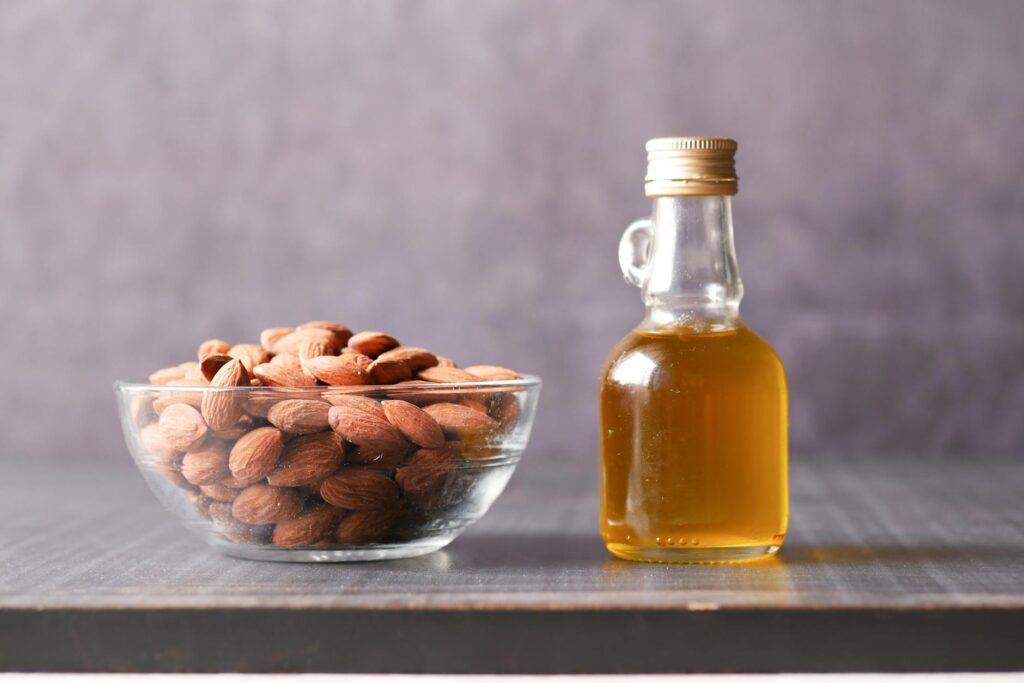
Sweet almond oil is extracted from the nuts of the sweet almond tree, which is native to the Mediterranean region and parts of Asia. The extraction process typically involves cold pressing, which preserves the oil’s natural properties. This light, non-greasy oil is known for its pale yellow color and mild, nutty aroma.
Sweet almond oil is rich in fatty acids, vitamins, and minerals, making it a popular choice for skincare, haircare, and culinary applications. Its high oleic acid content contributes to its emollient properties, while vitamin E acts as an antioxidant.
Key Benefits and Properties
Sweet almond oil boasts a variety of beneficial properties that contribute to its popularity in both cosmetic and therapeutic applications. Some of the key benefits include:
Moisturizing Properties
Sweet almond oil is an excellent moisturizer, easily absorbed by the skin. Its emollient characteristics help to lock in moisture, making it ideal for dry or sensitive skin.
Anti-inflammatory Effects
The oil contains compounds that may help reduce inflammation, making it a soothing choice for irritated skin or conditions such as eczema.
Nutrient-Rich
Rich in vitamins A, D, and E, as well as essential fatty acids, sweet almond oil nourishes the skin and helps maintain its health.
Antioxidant Protection
The presence of antioxidants, particularly vitamin E, helps protect the skin from environmental stressors and premature aging.
Hair Nourishment
Sweet almond oil can promote healthy hair by providing hydration, reducing breakage, and improving shine.
Common Uses
Sweet almond oil has diverse applications that span various domains, including skincare, haircare, and cooking. Here are some common uses:
Skincare
1. Moisturizer: Used directly or blended with essential oils, it helps hydrate and soften the skin.
2. Makeup Remover: Its gentle nature makes it effective for removing makeup without irritating the skin.
3. Massage Oil: Frequently used in massage therapy, its smooth texture allows for easy application and gliding.
Haircare
1. Conditioner: Applied to the scalp and hair, sweet almond oil can enhance moisture retention and add shine.
2. Dandruff Treatment: Massaging it into the scalp may help alleviate dryness and flakiness.
Culinary Uses
1. Cooking Oil: Sweet almond oil can be used in cooking or as a salad dressing, imparting a mild nutty flavor.
2. Baking: Its light flavor makes it suitable for various baked goods and desserts.
Aromatherapy Applications
In aromatherapy, sweet almond oil serves as a carrier oil, diluting essential oils for safe topical application. Its mild scent allows it to blend well with various essential oils, enhancing the overall aromatic experience. Here are a few ways sweet almond oil is used in aromatherapy:
Dilution of Essential Oils
Sweet almond oil is commonly mixed with essential oils to create blends for massage, skincare, or diffusing. A typical dilution ratio is about 2-3 drops of essential oil per teaspoon of sweet almond oil.
Calming Blends
When combined with calming essential oils like lavender or chamomile, sweet almond oil can enhance relaxation and promote emotional well-being during massages or baths.
Skin Treatments
Blending sweet almond oil with essential oils known for their skin benefits, such as tea tree or frankincense, can create effective treatments for various skin conditions.
Safety Considerations
While sweet almond oil is generally safe for most individuals, certain precautions should be taken:
Allergies
Individuals with nut allergies should avoid using sweet almond oil, as it is derived from almonds. Always perform a patch test before using new products on the skin.
Pregnancy and Nursing
Although sweet almond oil is considered safe for topical use during pregnancy and breastfeeding, it is advisable to consult a healthcare provider for personalized recommendations.
Dosage and Application
When used in aromatherapy, it is crucial to adhere to recommended dilution ratios. Overuse of essential oils can lead to skin irritations or adverse reactions.
Storage and Shelf Life
Proper storage is essential to maintain the quality and shelf life of sweet almond oil. Here are some tips:
Storage Conditions
- Keep in a Cool, Dark Place: Exposure to light and heat can degrade the oil. Store it in a dark glass bottle in a cool, dry location.
- Avoid Contamination: Use clean utensils to prevent introducing contaminants into the bottle.
Shelf Life
When stored correctly, sweet almond oil typically has a shelf life of about 6 to 12 months. Signs of spoilage include a rancid smell or changes in color or viscosity. If any of these changes occur, it is advisable to dispose of the oil.
Frequently Asked Questions
1. Can sweet almond oil be used for cooking?
Yes, sweet almond oil is safe for culinary use and can be used in cooking or salad dressings. However, it is important to note that it has a low smoke point, so it is best suited for low-heat cooking.
2. Is sweet almond oil suitable for sensitive skin?
Sweet almond oil is generally well-tolerated and is often recommended for sensitive skin. However, individuals should perform a patch test before applying it to larger areas of the skin.
3. How do I use sweet almond oil for hair care?
To use sweet almond oil for hair care, apply a small amount to the scalp and hair, focusing on the ends. Leave it on for at least 30 minutes before washing it out with a gentle shampoo.
4. Can I use sweet almond oil as a carrier oil for essential oils?
Yes, sweet almond oil is an excellent carrier oil for diluting essential oils. It blends well with various essential oils, making it a popular choice in aromatherapy.
5. What should I do if I have an allergic reaction to sweet almond oil?
If you experience any signs of an allergic reaction, such as redness, itching, or swelling, discontinue use immediately and consult a healthcare professional for advice.
Conclusion
Sweet almond oil is a multifaceted oil with a rich history and a wide range of applications. From skincare to culinary uses, its moisturizing, nourishing, and soothing properties make it a valuable addition to any wellness routine. By understanding its benefits, applications, and safety considerations, individuals can make informed choices about incorporating sweet almond oil into their lives. As with any natural product, it is essential to use it mindfully and consider individual needs and preferences.