
Complete Guide to Sweet Almond Oil Part 3
Introduction
Sweet almond oil, derived from the seeds of the Prunus amygdalus tree, has been a staple in various cultural practices for centuries. Renowned for its versatility, this oil is not only a popular choice in cooking but is also celebrated in the realms of skincare, haircare, and aromatherapy. This article explores the many facets of sweet almond oil, from its properties and benefits to its applications and safety considerations.
What Is Sweet Almond Oil?
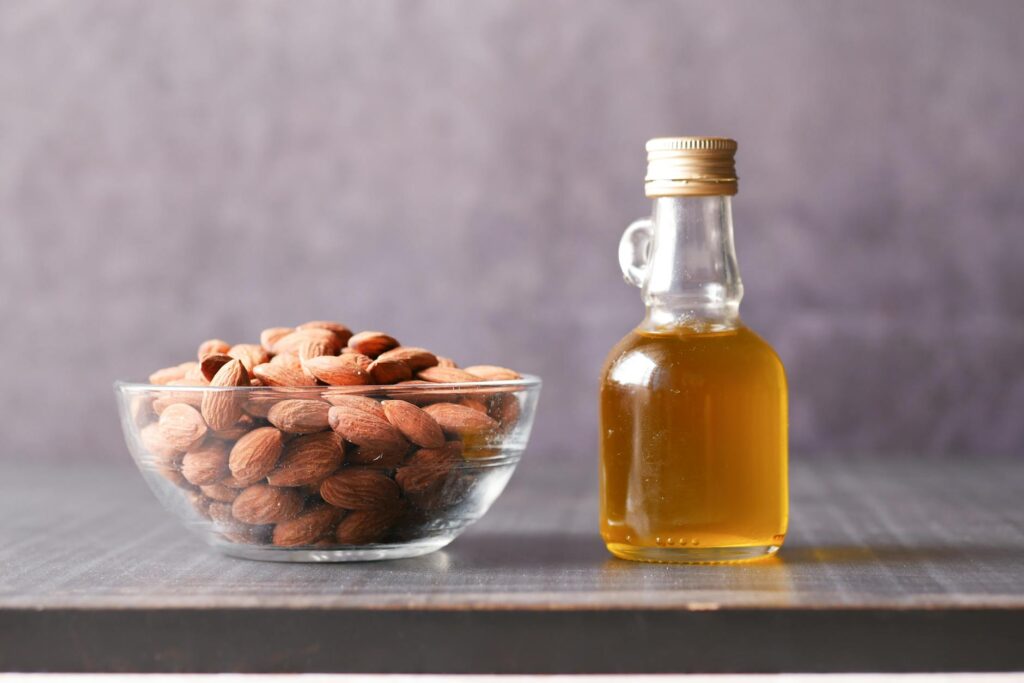
Sweet almond oil is a fixed oil extracted from the seeds of the sweet almond tree. This oil is characterized by its light texture, mild flavor, and subtle scent. The extraction process typically involves cold pressing, which helps retain its beneficial properties.
There are two primary types of almond oil: sweet and bitter. Sweet almond oil is the one most commonly used in cosmetics and culinary applications, while bitter almond oil is used sparingly due to its potential toxicity.
Key Benefits and Properties
Sweet almond oil is rich in various nutrients, making it a highly beneficial oil for both internal and external use. The following are some of its key benefits and properties:
Nutrient Profile
- Fatty Acids: Sweet almond oil is predominantly composed of oleic acid and linoleic acid, which contribute to its moisturizing properties.
- Vitamins: It contains vitamin E, a powerful antioxidant that helps protect skin cells from oxidative stress. Additionally, it has trace amounts of vitamins A and D.
- Minerals: Magnesium, calcium, and potassium are also present, adding to its nutritional value.
- Moisturizing: The oil penetrates deeply into the skin, making it an excellent moisturizer. It helps to maintain the skin’s barrier and prevent water loss.
- Soothing: Its anti-inflammatory properties can calm irritated skin and reduce redness.
- Anti-Aging: Regular application may improve skin elasticity and reduce the appearance of fine lines.
- Nourishing: Sweet almond oil can nourish the hair, making it softer and shinier.
- Strengthening: The oil may help strengthen hair follicles, reducing breakage and promoting healthier growth.
- Cooking: It can be used for sautéing or as a base for salad dressings due to its light flavor.
- Baking: Sweet almond oil is often used in baked goods, imparting a subtle nutty flavor.
- Moisturizers: Ideal for lotions and creams, it offers hydration for various skin types.
- Massage Oil: Due to its smooth texture, it is frequently used as a carrier oil for essential oils in massage practices.
- Conditioners: Used in hair masks or conditioners, sweet almond oil helps improve hair texture and manageability.
- Scalp Treatments: It can be massaged into the scalp to promote circulation and relieve dryness.
- Lavender: Promotes relaxation and soothes the mind.
- Peppermint: Provides an invigorating scent and can help uplift mood.
- Tea Tree: Known for its antiseptic properties, it can enhance skin care applications.
- Diffusion: While sweet almond oil is not commonly used in diffusers, it can be combined with essential oils for topical applications.
- Topical Application: To apply, mix a few drops of essential oil with a carrier oil like sweet almond oil and massage onto the skin, or use it in a bath for a soothing experience.
- Container: Store in a dark glass container to protect it from light, which can degrade the oil.
- Temperature: Keep it in a cool, dark place, away from heat sources.
Skin Benefits
Hair Benefits
Common Uses
Sweet almond oil’s versatility makes it suitable for a range of applications, including:
Culinary Uses
Skincare
Haircare
Aromatherapy Applications
Sweet almond oil serves as an excellent carrier oil in aromatherapy due to its light viscosity and skin-friendliness. When blended with essential oils, it enhances the overall experience while providing additional benefits.
Blending with Essential Oils
Sweet almond oil can be mixed with various essential oils to create customized blends for different purposes, such as relaxation or invigoration. Common essential oils to blend with sweet almond oil include:
Application Techniques
Safety Considerations
While sweet almond oil is generally safe for most people, certain precautions should be taken:
Allergies
Individuals with nut allergies should avoid sweet almond oil. A patch test on a small area of skin is advisable before widespread use to check for any allergic reactions.
Skin Sensitivity
Although sweet almond oil is typically well-tolerated, those with sensitive skin should consult with a dermatologist before use.
Pregnancy and Nursing
While sweet almond oil is considered safe for topical use, pregnant or nursing women should consult healthcare professionals before incorporating it into their routines.
Storage and Shelf Life
Proper storage is essential for maintaining the quality of sweet almond oil. Here are some guidelines:
Storage
Shelf Life
When stored correctly, sweet almond oil typically has a shelf life of about 1 to 2 years. Signs of rancidity include an off smell or change in color, indicating that the oil should not be used.
Frequently Asked Questions
1. Can sweet almond oil be used for cooking?
Yes, sweet almond oil is suitable for cooking, particularly for sautéing and salad dressings due to its mild flavor.
2. Is sweet almond oil safe for all skin types?
Generally, sweet almond oil is safe for most skin types. However, a patch test is advisable for those with sensitive skin or nut allergies.
3. How can I use sweet almond oil for hair care?
You can use sweet almond oil as a hair mask, conditioner, or scalp treatment to nourish and hydrate your hair.
4. Can sweet almond oil be used as a carrier oil for essential oils?
Yes, sweet almond oil is an excellent carrier oil for essential oils, offering a smooth texture for topical applications.
5. How do I know if sweet almond oil has gone bad?
Signs of rancidity include an off smell, change in color, or cloudy appearance. If any of these occur, it is best to discard the oil.
Conclusion
Sweet almond oil is a versatile and beneficial oil that finds its place in various applications, from cooking to skincare and aromatherapy. Understanding its properties, uses, and safety considerations can help you make the most of this remarkable oil. Whether you are incorporating it into your culinary creations or using it for personal care, sweet almond oil offers a host of benefits that enhance your daily life.