
Complete Guide to Sweet Almond Oil Part 4
Introduction
Sweet almond oil has garnered attention within the realms of skincare, culinary arts, and aromatherapy, praised for its myriad benefits and versatile applications. This guide continues to delve into the properties, uses, and safety considerations surrounding this oil, making it a valuable addition to your wellness toolkit.
What Is Sweet Almond Oil?
Sweet almond oil is derived from the seeds of the Prunus amygdalus dulcis tree, commonly known as the sweet almond tree. This oil is extracted through a process that involves either cold-pressing or refining the seeds. The cold-pressed method preserves the oil’s natural nutrients and aroma, resulting in a high-quality product.
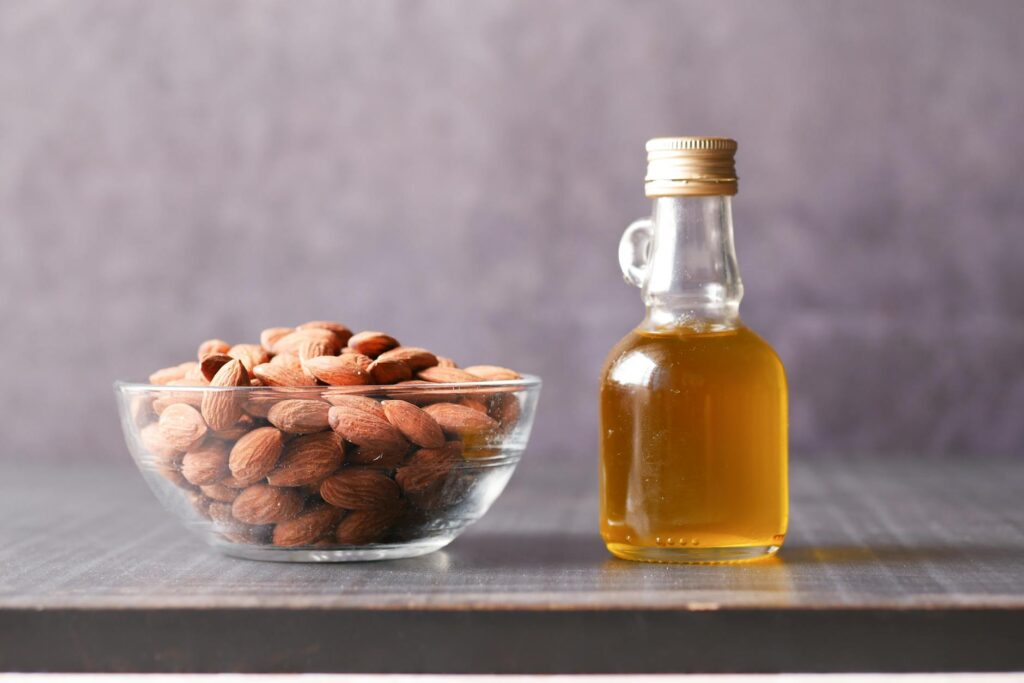
Sweet almond oil is characterized by its light, nutty scent and is typically pale yellow to golden in color. It is rich in fatty acids, vitamins, and minerals, making it a popular choice for various applications, from skincare to culinary uses.
Key Benefits and Properties
Nutritional Profile
Sweet almond oil boasts a rich composition of fatty acids, primarily oleic and linoleic acids, which contribute to its moisturizing properties. It is also high in vitamins E and A, as well as essential minerals like magnesium and calcium.
Skin Benefits
1. Moisturizing: The oil acts as an emollient, helping to lock in moisture, making it suitable for dry skin types.
2. Anti-Inflammatory: Sweet almond oil can soothe irritated skin and reduce inflammation, making it beneficial for conditions like eczema and psoriasis.
3. Antioxidant Properties: The high vitamin E content helps combat oxidative stress, which can contribute to premature aging.
Hair Benefits
1. Nourishment: Sweet almond oil is often used as a hair treatment due to its ability to penetrate the hair shaft, providing essential nutrients and moisture.
2. Shine and Luster: Its light texture allows for easy absorption, resulting in shinier and healthier-looking hair.
Common Uses
Skincare
Sweet almond oil is widely used in skincare formulations, including creams, lotions, and serums. Its ability to hydrate and nourish the skin makes it a staple in many beauty regimens.
Culinary Applications
In cooking, sweet almond oil is valued for its delicate flavor and high smoke point. It can be used in salad dressings, marinades, and baked goods, adding a subtle nutty essence to various dishes.
Massage Oil
Due to its smooth texture and skin-nourishing properties, sweet almond oil is a popular base for massage oils. It provides the necessary slip while also benefiting the skin.
Aromatherapy Applications
Sweet almond oil serves as an excellent carrier oil in aromatherapy. It is commonly blended with essential oils to create soothing and fragrant mixtures. Here are some applications:
1. Blending with Essential Oils: When combined with essential oils, sweet almond oil can enhance their therapeutic effects while diluting their potency, making them safer for topical application.
2. Diffusion: Although not typically used in diffusers, sweet almond oil can be added to other oils to create a fragrant atmosphere in your space.
3. Mood Enhancement: In massage or topical applications, the calming properties of sweet almond oil can complement essential oils like lavender or chamomile, promoting relaxation and reducing stress.
Safety Considerations
While sweet almond oil is generally considered safe for most individuals, it is essential to keep the following safety considerations in mind:
Allergies
Individuals with nut allergies should exercise caution when using sweet almond oil. Although it is derived from sweet almonds, those allergic to nuts may experience reactions.
Skin Sensitivity
Before applying sweet almond oil to a large area, it is advisable to perform a patch test. Apply a small amount to an inconspicuous area and wait 24 hours to check for any adverse reactions.
Use in Pregnancy and Nursing
As with any cosmetic or essential oil, pregnant or nursing individuals should consult with a healthcare professional before using sweet almond oil.
Avoid Contact with Eyes
Keep sweet almond oil away from the eyes. If contact occurs, rinse thoroughly with water.
Storage and Shelf Life
To maintain the quality and efficacy of sweet almond oil, proper storage is crucial:
Storage Conditions
1. Cool, Dark Place: Store sweet almond oil in a cool, dark location away from sunlight and heat to prevent oxidation.
2. Tightly Sealed Container: Ensure the oil is stored in a tightly sealed container to minimize exposure to air.
Shelf Life
When stored correctly, sweet almond oil typically has a shelf life of about 1 to 2 years. However, it’s advisable to check for any changes in smell, color, or texture before use, as these may indicate spoilage.
Frequently Asked Questions
Is sweet almond oil suitable for all skin types?
Sweet almond oil is generally well-tolerated by most skin types. However, those with oily or acne-prone skin should use it in moderation, as it may contribute to clogged pores.
Can sweet almond oil be used for cooking?
Yes, sweet almond oil can be used in cooking, particularly in salad dressings and baked goods. Its mild flavor enhances dishes without overpowering them.
How can I incorporate sweet almond oil into my skincare routine?
You can use sweet almond oil as a moisturizer, mix it with other skincare products, or use it as a carrier oil for essential oils. It can also be applied directly to dry areas of the skin.
Is sweet almond oil comedogenic?
Sweet almond oil is considered to have a low comedogenic rating, meaning it is less likely to clog pores compared to other oils. However, individual reactions may vary, so it is advisable to perform a patch test first.
Where can I purchase sweet almond oil?
Sweet almond oil is widely available and can be found in health food stores, beauty supply shops, and online retailers. When purchasing, look for high-quality, cold-pressed varieties to ensure maximum benefits.
Conclusion
Sweet almond oil is a multifaceted oil with a rich history and a variety of uses across skincare, culinary, and aromatherapy practices. Its moisturizing properties, nutritional benefits, and versatility make it a valuable addition to any wellness regimen. By understanding its applications, benefits, and safety considerations, individuals can effectively incorporate sweet almond oil into their daily lives. Whether used alone or in conjunction with other products, sweet almond oil continues to be a cherished resource in the world of natural health and beauty.