
Complete Guide to Sweet Almond Oil Part 4
Introduction
Sweet almond oil, derived from the seeds of the Prunus amygdalus dulcis tree, has been cherished for centuries for its numerous benefits and applications. Known for its light texture and mild aroma, this versatile oil serves as a staple in both culinary and cosmetic practices. In this comprehensive guide, we will explore the properties, uses, and precautions associated with sweet almond oil, providing a holistic understanding of this remarkable oil.
What Is Sweet Almond Oil?
Sweet almond oil is extracted from the ripe seeds of the sweet almond tree, which is native to the Mediterranean region but is now cultivated in various parts of the world, including California. The oil is obtained through cold pressing, a method that helps retain its beneficial properties.
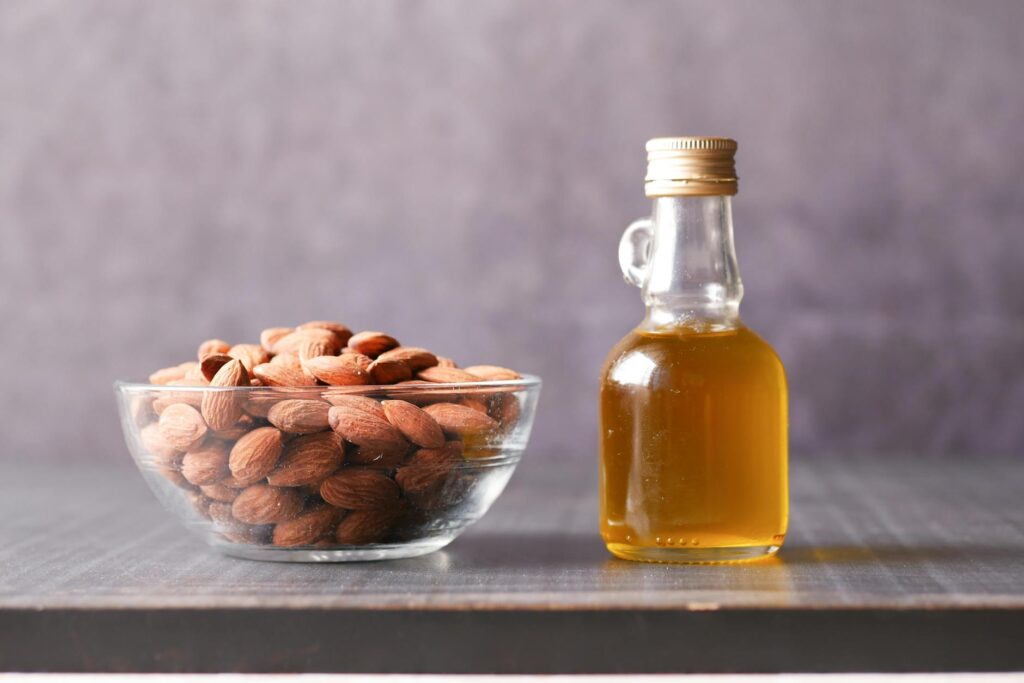
Sweet almond oil is characterized by its pale yellow color and subtle, nutty scent. It is rich in vitamins and fatty acids, making it an excellent choice for both skin and hair care. Unlike bitter almond oil, which contains toxic compounds and is not suitable for consumption, sweet almond oil is safe and widely used in various applications.
Key Benefits and Properties
Sweet almond oil boasts a plethora of health and beauty benefits due to its rich composition. Here are some key properties:
Nutrient-Rich
Sweet almond oil is a rich source of:
- Vitamins: It contains vitamin E, which acts as an antioxidant, helping to protect the skin from oxidative stress. It also provides vitamin A, B vitamins, and vitamin D.
- Fatty Acids: Primarily composed of oleic acid, linoleic acid, and palmitic acid, these fatty acids contribute to skin hydration and barrier function.
- Minerals: Contains traces of calcium, magnesium, and potassium, which are essential for overall health.
- Moisturizer: Used as a standalone moisturizer or as a carrier oil for essential oils.
- Makeup Remover: Its gentle nature makes it an effective makeup remover, especially for waterproof products.
- Massage Oil: Often used in massages due to its smooth texture and skin-nourishing properties.
- Conditioner: Sweet almond oil can be used to condition and nourish hair, improving shine and manageability.
- Scalp Treatment: Massaging the scalp with sweet almond oil can promote circulation and alleviate dryness.
- Lavender: Known for its calming properties, lavender essential oil can be mixed with sweet almond oil for a relaxing massage blend.
- Tea Tree: When diluted, tea tree essential oil can be combined with sweet almond oil to address skin blemishes.
- Peppermint: This invigorating oil can be blended with sweet almond oil for a refreshing foot rub or to alleviate tension headaches.
- Use Dark Glass Containers: Storing the oil in dark glass bottles can help reduce exposure to light, which can degrade the oil.
- Keep it Cool: A cool environment, such as a refrigerator, can extend the shelf life of sweet almond oil.
- Seal Tightly: Ensure that the container is tightly sealed to prevent air exposure, which can lead to oxidation.
Moisturizing Properties
Due to its emollient nature, sweet almond oil is highly effective at moisturizing the skin. It penetrates easily, leaving the skin feeling soft and supple without a greasy residue. Its ability to lock in moisture makes it an excellent choice for dry or sensitive skin.
Anti-Inflammatory
Sweet almond oil has anti-inflammatory properties that may help soothe conditions such as eczema and psoriasis. It can calm irritated skin and reduce redness, making it beneficial for sensitive skin types.
Antioxidant Effects
Rich in antioxidants, sweet almond oil aids in combating free radicals, which can contribute to premature aging. Regular application may help improve skin elasticity and reduce the appearance of fine lines and wrinkles.
Common Uses
Sweet almond oil finds applications in various fields, including:
Skin Care
Hair Care
Culinary Uses
Sweet almond oil is also suitable for culinary purposes. It can be used in salad dressings, drizzled over vegetables, or incorporated into baked goods for a nutty flavor. However, it is important to note that it should be used in moderation due to its high calorie content.
Aromatherapy Applications
In aromatherapy, sweet almond oil is often utilized as a carrier oil due to its mild scent and excellent absorption properties. It serves as a base for diluting essential oils, allowing for safe topical application. Here are some common aromatherapy applications:
Blending with Essential Oils
Sweet almond oil can be combined with various essential oils, enhancing their therapeutic effects. Some popular essential oils that blend well with sweet almond oil include:
Diffusion
While sweet almond oil is not typically used in diffusers, it can be used in oil burners or in combination with other oils for personalized aromatic experiences.
Safety Considerations
While sweet almond oil is generally regarded as safe for most individuals, there are a few considerations to keep in mind:
Allergies
Individuals with nut allergies should exercise caution when using sweet almond oil, as it is derived from almonds. Always perform a patch test before applying it to larger areas of the skin to check for potential allergic reactions.
Storage
To maintain the quality of sweet almond oil, store it in a cool, dark place, away from direct sunlight. This will help prevent it from becoming rancid or losing its beneficial properties.
Storage and Shelf Life
The shelf life of sweet almond oil is typically around 12 months when stored properly. Here are some storage tips to ensure longevity:
Frequently Asked Questions
1. Can sweet almond oil be used on all skin types?
Yes, sweet almond oil is generally safe for all skin types. However, those with nut allergies should avoid its use.
2. Is sweet almond oil suitable for cooking?
Yes, sweet almond oil can be used in cooking, but it is best utilized in dressings or drizzled over dishes rather than heated at high temperatures.
3. How can I incorporate sweet almond oil into my skincare routine?
You can use sweet almond oil as a moisturizer, makeup remover, or carrier oil in your skincare regimen. It can be applied directly or blended with essential oils for added benefits.
4. Can sweet almond oil help with hair growth?
While sweet almond oil can nourish the scalp and improve hair condition, it is not a guaranteed solution for hair growth. It is best used in conjunction with a holistic hair care regimen.
5. How should I do a patch test?
To perform a patch test, apply a small amount of sweet almond oil to a discreet area of skin, like the inside of your wrist. Wait for 24 hours to see if any adverse reactions occur.
Conclusion
Sweet almond oil is a multifaceted oil that offers a range of benefits for skin, hair, and culinary applications. Its rich nutrient profile, moisturizing properties, and compatibility with essential oils make it a valuable addition to both personal care routines and kitchen practices. By understanding its uses, benefits, and safety considerations, you can effectively incorporate sweet almond oil into your lifestyle. As always, it is advisable to consult relevant guidelines and perform necessary tests to ensure a safe and enjoyable experience with this remarkable oil.