
Complete Guide to Sweet Almond Oil Part 5
Introduction
Sweet almond oil, derived from the seeds of the Prunus amygdalus dulcis tree, has a long-standing history of use in cosmetics, cooking, and traditional medicine across various cultures. This versatile oil is celebrated not only for its nourishing properties but also for its wide range of applications in both skincare and aromatherapy. In this comprehensive guide, we will explore the origins, benefits, common uses, and safety considerations associated with sweet almond oil, along with its role in aromatherapy.
What Is Sweet Almond Oil?
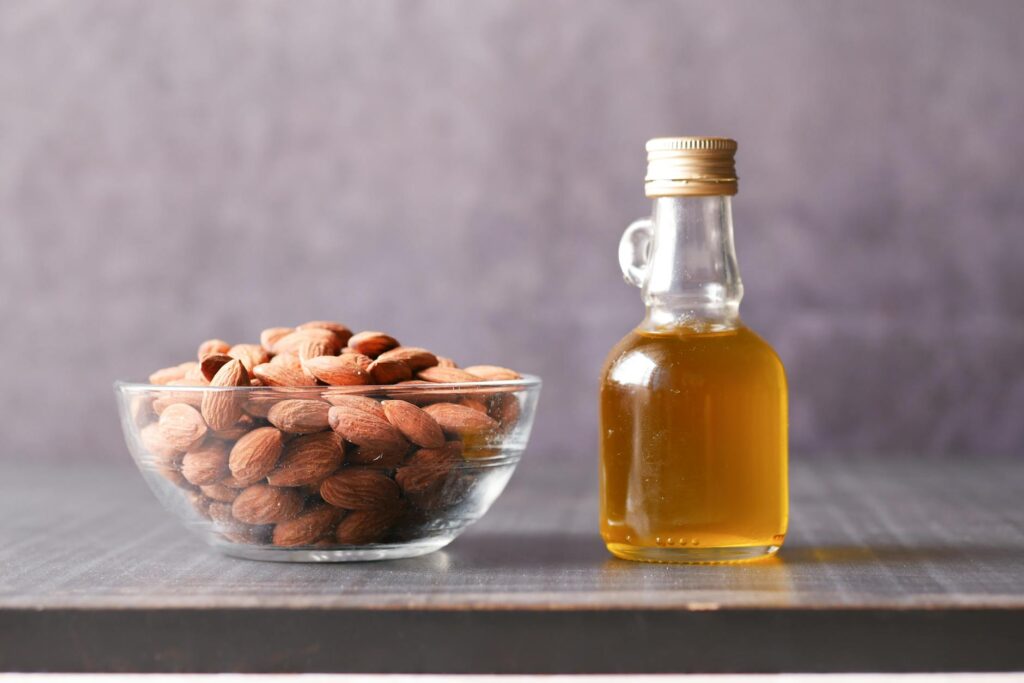
Sweet almond oil is a pale yellow oil extracted from the seeds of the sweet almond tree. The extraction process typically involves cold-pressing the seeds, which helps retain the oil’s natural nutrients and beneficial properties. Unlike bitter almond oil, which is derived from the seeds of the Prunus amygdalus var. amara and contains harmful compounds, sweet almond oil is safe for topical and culinary use.
Rich in vitamins, minerals, and fatty acids, sweet almond oil is a popular choice among natural skincare enthusiasts. It is known for its light texture, making it easily absorbed by the skin without leaving a greasy residue.
Key Benefits and Properties
Sweet almond oil boasts a variety of beneficial properties that contribute to its popularity in various applications:
1. Moisturizing: The oil is rich in oleic and linoleic acids, both of which help to hydrate and nourish the skin. This makes it an ideal choice for dry or dehydrated skin types.
2. Rich in Nutrients: Sweet almond oil contains vitamins E and A, which are known for their antioxidant properties. Vitamin E, in particular, helps protect the skin from free radical damage, while vitamin A supports skin renewal.
3. Anti-inflammatory: The oil has mild anti-inflammatory properties, which can help soothe irritated or inflamed skin conditions.
4. Emollient Properties: Its emollient qualities make it effective in softening and smoothing the skin, providing a protective shield that prevents moisture loss.
5. Non-comedogenic: Sweet almond oil is non-comedogenic, meaning it does not clog pores. This property makes it suitable for all skin types, including oily skin.
Common Uses
Sweet almond oil is versatile and can be used in various applications, including:
1. Skincare
- Moisturizer: Applied directly to the skin, sweet almond oil can serve as a daily moisturizer that hydrates and nourishes.
- Makeup Remover: The oil can effectively dissolve makeup, making it an excellent natural alternative to commercial makeup removers.
- Massage Oil: Its smooth texture and pleasant aroma make it a popular choice for massage therapy.
- Conditioner: Sweet almond oil can be used as a deep conditioning treatment to nourish dry, damaged hair.
- Scalp Treatment: Massaging the oil into the scalp may help alleviate dryness and promote healthy hair growth.
- Cooking Oil: Sweet almond oil has a mild flavor and high smoke point, making it suitable for sautéing and salad dressings.
- Nut Milk: It can also be used as a base for homemade almond milk, combined with water and blended until smooth.
- Base Ingredient: Sweet almond oil is often used in homemade soap recipes due to its moisturizing properties.
- Storage: Keep the oil in a cool, dark place, away from direct sunlight and heat sources. A sealed glass bottle is recommended to protect the oil from exposure to air and light.
- Shelf Life: Sweet almond oil typically has a shelf life of about 1 to 2 years, depending on the quality of the oil and storage conditions. Signs of spoilage may include a rancid smell or changes in color and consistency.
2. Hair Care
3. Culinary Uses
4. Soap Making
Aromatherapy Applications
In the realm of aromatherapy, sweet almond oil is primarily used as a carrier oil. Carrier oils are used to dilute essential oils, making them safe for topical application. Here are some applications of sweet almond oil in aromatherapy:
1. Blending with Essential Oils
Sweet almond oil can be combined with various essential oils to create personalized blends. Its light texture allows for easy absorption, making it an excellent medium for delivering the therapeutic benefits of essential oils to the skin.
2. Diffusion
While sweet almond oil is not typically used in diffusers, it can be blended with essential oils and then applied to pulse points or inhaled directly for a soothing aromatic experience.
3. Massage Blends
When creating massage oils, sweet almond oil serves as an effective base due to its emollient properties. Adding essential oils such as lavender or chamomile can enhance relaxation and promote a calming atmosphere.
Safety Considerations
While sweet almond oil is generally considered safe for most individuals, there are a few important safety considerations to keep in mind:
1. Allergies: Those with nut allergies should exercise caution, as sweet almond oil is derived from almonds. A patch test prior to full application is advisable for individuals with known sensitivities.
2. Pregnancy and Nursing: Pregnant or nursing individuals should consult a healthcare professional before using sweet almond oil or any new skincare products.
3. Skin Reactions: Although rare, some individuals may experience skin irritation. It is advisable to perform a patch test on a small area of skin before widespread use.
4. Quality of Oil: Always choose high-quality, cold-pressed sweet almond oil to ensure the oil’s purity and beneficial properties.
Storage and Shelf Life
To maintain the integrity of sweet almond oil, proper storage is essential:
Frequently Asked Questions
Q: Can sweet almond oil be used on sensitive skin?
A: Yes, sweet almond oil is generally well-tolerated by sensitive skin. However, individuals should conduct a patch test first to ensure there are no adverse reactions.
Q: Is sweet almond oil suitable for cooking?
A: Yes, sweet almond oil can be used for cooking, particularly in salad dressings and light sautéing. Its mild flavor can enhance various dishes.
Q: How can I incorporate sweet almond oil into my skincare routine?
A: Sweet almond oil can be used as a moisturizer, makeup remover, or massage oil. It can also be blended with essential oils for enhanced benefits.
Q: What is the difference between sweet almond oil and bitter almond oil?
A: Sweet almond oil is safe for use, while bitter almond oil contains harmful compounds and should not be consumed or applied topically.
Q: Can I mix sweet almond oil with other carrier oils?
A: Yes, sweet almond oil can be blended with other carrier oils such as jojoba oil or coconut oil to create customized formulations.
Conclusion
Sweet almond oil is a remarkable natural product with a plethora of benefits and uses. Its versatility extends from skincare and hair care to culinary applications and aromatherapy. As with any natural ingredient, understanding its properties and safety considerations allows individuals to harness its full potential. Whether you are seeking a nourishing moisturizer or a soothing massage oil, sweet almond oil remains a cherished choice in the realm of natural wellness.