
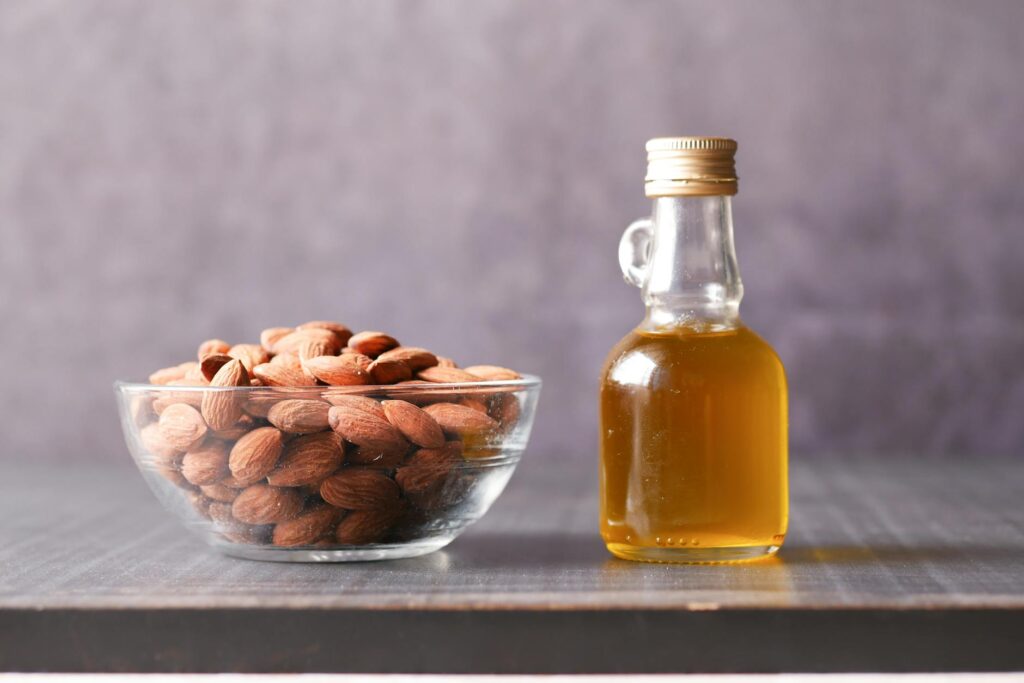
Complete Guide to Sweet Almond Oil Part 5
Introduction
Sweet almond oil, derived from the seeds of the Prunus amygdalus tree, has gained popularity in various domains, including skincare, culinary arts, and aromatherapy. This versatile oil is celebrated for its nourishing properties and pleasant, mild aroma. This article serves as the final installment in our comprehensive guide to sweet almond oil, exploring its characteristics, benefits, uses, and safety considerations, as well as addressing common questions.
What Is Sweet Almond Oil?
Sweet almond oil is a carrier oil extracted from the seeds of the sweet almond tree. Unlike its bitter counterpart, which contains harmful compounds, sweet almond oil is safe for topical and culinary use. The oil is typically obtained through cold-pressing, a method that preserves the oil’s natural properties and nutrients. Its light texture and nutty aroma make it an ideal ingredient in various formulations, including skincare, cosmetics, and culinary dishes.
Key Benefits and Properties
Sweet almond oil offers an array of benefits, primarily attributed to its rich composition of fatty acids, vitamins, and minerals. Here are some of its notable properties:
1. Nutrient-Rich Composition
Sweet almond oil is packed with vitamins A, E, and D, as well as essential fatty acids like oleic and linoleic acids. These nutrients contribute to its moisturizing and nourishing qualities.
2. Skin Hydration
The emollient properties of sweet almond oil make it an excellent moisturizer. It penetrates the skin easily, helping to lock in moisture and improve hydration levels.
3. Antioxidant Properties
Rich in vitamin E, sweet almond oil possesses antioxidant properties that help combat oxidative stress and protect the skin from environmental damage.
4. Anti-Inflammatory Effects
The oil has been noted for its potential anti-inflammatory effects, making it beneficial for soothing irritated skin and reducing redness.
5. Gentle and Non-Irritating
Sweet almond oil is generally well-tolerated by most skin types, including sensitive skin. Its mild nature makes it suitable for various applications, including baby products.
Common Uses
Sweet almond oil is a versatile oil with multiple applications across different fields:
1. Skincare
- Moisturizer: It can be used alone or blended with essential oils to create personalized moisturizers.
- Makeup Remover: Its gentle formula effectively dissolves makeup without irritating the skin.
- Massage Oil: Often used in massages, sweet almond oil provides slip and nourishment.
- Conditioner: The oil can be applied to the hair to enhance shine and manageability.
- Scalp Treatment: A massage with sweet almond oil can help nourish the scalp and promote healthy hair growth.
2. Hair Care
3. Culinary Uses
Sweet almond oil has a mild, nutty flavor, making it suitable for salad dressings, dips, and baked goods. It is important to use food-grade sweet almond oil for culinary applications.
4. Aromatherapy
As a carrier oil, sweet almond oil is often blended with essential oils to create aromatherapy blends, enhancing both the therapeutic and olfactory properties of the oils.
Aromatherapy Applications
In aromatherapy, sweet almond oil serves as an effective carrier oil, meaning it dilutes essential oils for safe topical application. The oil’s light texture allows for easy absorption, making it a popular choice among aromatherapists. Here are some common applications:
1. Blending with Essential Oils
Sweet almond oil can be mixed with various essential oils to create personalized blends. For instance, lavender oil can be combined with sweet almond oil for a calming massage oil, while citrus oils can be blended for an uplifting experience.
2. Diffusion
While sweet almond oil is not typically used in diffusers, it can be combined with essential oils before being added to a diffuser to enhance the aroma and therapeutic benefits.
3. Bath Additive
Adding sweet almond oil to bathwater can provide skin hydration and a soothing experience. A few drops of essential oils can also be mixed in for an aromatic bath.
4. Skin Treatments
Sweet almond oil can be used as a base for various skin treatments, such as homemade lotions, creams, and scrubs. Its nourishing properties help enhance the overall effectiveness of these products.
Safety Considerations
While sweet almond oil is generally considered safe for most individuals, there are some important safety considerations to keep in mind:
1. Allergies
Individuals with nut allergies should exercise caution when using sweet almond oil, as it may trigger allergic reactions. Always conduct a patch test before applying the oil to larger areas of the skin.
2. Quality of Oil
Opt for high-quality, cold-pressed sweet almond oil to ensure you are using a product that retains its beneficial properties. Look for organic options when possible to avoid pesticides and additives.
3. Storage
Proper storage is essential to maintain the quality of sweet almond oil. Store it in a cool, dark place, away from heat sources and direct sunlight.
4. Consult Professionals
For specific applications, particularly in aromatherapy or skincare formulations, consider consulting a qualified aromatherapist or skincare professional.
Storage and Shelf Life
The shelf life of sweet almond oil typically ranges from 6 months to 1 year, depending on storage conditions. Here are some tips for optimal storage:
1. Cool, Dark Place
Store sweet almond oil in a cool, dark place, such as a pantry or cupboard. Exposure to light and heat can cause the oil to degrade more quickly.
2. Airtight Containers
Keep the oil in airtight containers, preferably glass, to prevent oxidation and maintain its quality.
3. Refrigeration
If you live in a warm climate, consider refrigerating the oil to prolong its shelf life. However, allow it to return to room temperature before use.
4. Check for Signs of Spoilage
Before use, check for any off-odors, changes in color, or cloudiness, which may indicate rancidity.
Frequently Asked Questions
1. Can sweet almond oil be used on the face?
Yes, sweet almond oil is suitable for facial use due to its gentle nature and moisturizing properties. It can be used alone or as part of a skincare routine.
2. Is sweet almond oil safe for children?
Generally, sweet almond oil is safe for children and is often used in baby products. However, always consult with a pediatrician before using new products on infants or young children.
3. Can I use sweet almond oil for cooking?
Yes, food-grade sweet almond oil can be used in cooking, particularly for salad dressings and drizzling over dishes. Avoid using it for high-heat cooking methods.
4. How do I perform a patch test?
To perform a patch test, apply a small amount of sweet almond oil to a discreet area of skin, such as the inside of your wrist or elbow. Wait 24 hours to check for any adverse reactions.
5. Can sweet almond oil help with dry skin?
Yes, sweet almond oil is often used to help hydrate and nourish dry skin due to its emollient properties.
Conclusion
Sweet almond oil is a beneficial and versatile oil with a wide range of applications in skincare, hair care, culinary arts, and aromatherapy. Its nutrient-rich composition and gentle nature make it a valuable addition to any wellness routine. By understanding its properties, uses, and safety considerations, individuals can effectively incorporate sweet almond oil into their daily practices, enhancing both their health and well-being.