
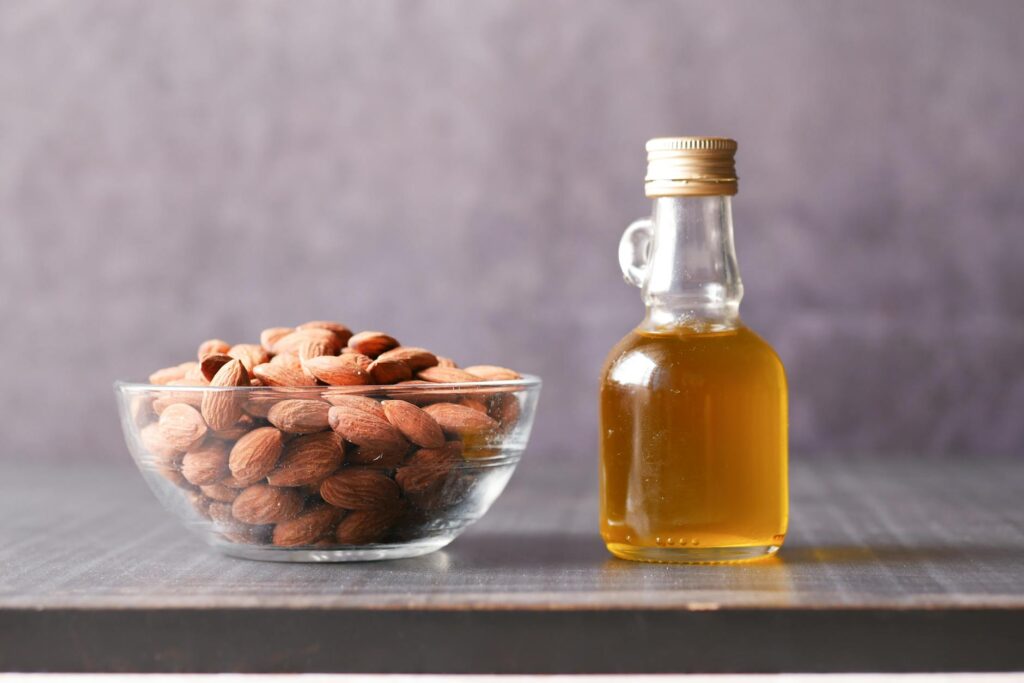
Complete Guide to Sweet Almond Oil Part 6
Introduction
Sweet almond oil, derived from the seeds of the Prunus amygdalus dulcis tree, has been celebrated for its versatility and myriad benefits. This guide delves into the characteristics, benefits, and applications of sweet almond oil, particularly in the realm of aromatherapy. Whether you’re new to essential oils or a seasoned practitioner, this comprehensive overview will provide valuable insights into this beloved oil.
What Is Sweet Almond Oil?
Sweet almond oil is a pale yellow, lightweight oil that is cold-pressed from the dried seeds of the sweet almond tree. This oil is distinct from bitter almond oil, which is derived from a different variety of almond and contains compounds that can be toxic. Sweet almond oil is known for its mild scent and smooth texture, making it an ideal carrier oil in various applications.
Rich in fatty acids, vitamins, and minerals, sweet almond oil is easy to absorb into the skin, making it an exceptional choice for topical use. Its composition primarily includes oleic acid (approximately 70%), linoleic acid (around 20%), and palmitic acid, among other beneficial components.
Key Benefits and Properties
Sweet almond oil is packed with essential nutrients that contribute to its wide array of benefits. Some of the key properties include:
Moisturizing
The high fatty acid content in sweet almond oil helps to lock in moisture, making it a popular choice for dry skin. It can provide a protective barrier, preventing water loss and keeping the skin hydrated.
Anti-Inflammatory
Sweet almond oil contains compounds that may help reduce inflammation. This property makes it suitable for soothing irritated skin and conditions such as eczema or dermatitis.
Antioxidant
Packed with vitamin E, sweet almond oil acts as a potent antioxidant. It helps protect skin cells from oxidative stress caused by free radicals, contributing to healthier, more youthful-looking skin.
Nutrient-Rich
In addition to vitamin E, sweet almond oil contains vitamins A, B, and D, as well as minerals such as magnesium and calcium. These nutrients support skin health and can enhance the overall appearance and texture of the skin.
Common Uses
Sweet almond oil has a wide range of applications, making it a staple in both cosmetic and culinary practices. Some common uses include:
Skin Care
Sweet almond oil is often used in lotions, creams, and serums due to its emollient properties. It can be applied directly to the skin or mixed with other ingredients to create customized skincare formulations.
Hair Care
This oil is beneficial for hair health as well. It can be used as a hair conditioner or treatment to nourish and strengthen hair, reduce breakage, and add shine.
Massage Oil
Due to its light texture and skin-penetrating capabilities, sweet almond oil is frequently used as a massage oil. It provides smooth glide without leaving a greasy residue.
Culinary Uses
In addition to its cosmetic applications, sweet almond oil can also be used in cooking. Its mild flavor makes it a delightful addition to salad dressings, baked goods, and other dishes.
Aromatherapy Applications
In the context of aromatherapy, sweet almond oil serves primarily as a carrier oil. It is often blended with essential oils to create various therapeutic blends. Here are some common applications:
Blending with Essential Oils
Sweet almond oil is an excellent choice for diluting essential oils before applying them to the skin. Its mild nature allows the properties of the essential oils to shine while providing nourishment to the skin.
Diffusion
While sweet almond oil is not typically used in a diffuser, it can be blended with essential oils to create a personalized aroma for inhalation. The calming scent can enhance relaxation and promote a sense of well-being when used in conjunction with other fragrant oils.
Bath Additive
Adding sweet almond oil to a warm bath can help moisturize the skin while providing a soothing experience. When combined with essential oils, it can elevate the aromatherapy benefits, creating a relaxing and luxurious bath.
Skin Treatments
When blended with essential oils known for their skin benefits, such as lavender or tea tree oil, sweet almond oil can enhance the efficacy of topical treatments and provide soothing relief.
Safety Considerations
While sweet almond oil is generally regarded as safe for topical and culinary use, it is essential to keep the following safety considerations in mind:
Allergies
Individuals with nut allergies should exercise caution when using sweet almond oil. A patch test is advisable to check for any allergic reactions before widespread application.
Dilution
When using sweet almond oil as a carrier oil, it is crucial to dilute essential oils appropriately. A common guideline is to use a 1-2% dilution for topical applications, which equates to approximately 1-2 drops of essential oil per teaspoon of sweet almond oil.
Storage
To maintain the quality and safety of sweet almond oil, store it in a cool, dark place. Avoid exposure to direct sunlight and high temperatures, as these can degrade the oil over time.
Storage and Shelf Life
The shelf life of sweet almond oil depends on various factors, including storage conditions and whether it is refined or unrefined. Generally, sweet almond oil has a shelf life of around 1-2 years when stored properly.
Storage Tips
1. Keep it Cool: Store the oil in a cool, dark place, preferably in a tightly sealed container.
2. Avoid Heat: Do not store sweet almond oil near heat sources such as stoves or ovens.
3. Check for Rancidity: Regularly check the oil for any off odors or changes in color, which may indicate spoilage.
Frequently Asked Questions
Can sweet almond oil be used on all skin types?
Yes, sweet almond oil is generally suitable for all skin types, including sensitive skin. However, individuals with nut allergies should avoid it.
Is sweet almond oil safe for babies?
Sweet almond oil can be used on babies for moisturizing, but a patch test is recommended to ensure no allergic reactions occur.
How can sweet almond oil be used in hair care?
Sweet almond oil can be applied directly to the hair as a conditioner or treatment. It can also be mixed with other oils or essential oils for added benefits.
Can sweet almond oil be ingested?
Yes, sweet almond oil is safe for culinary use. However, it is essential to use high-quality, food-grade sweet almond oil for consumption.
How should I choose a sweet almond oil product?
Look for cold-pressed, organic sweet almond oil to ensure the highest quality and nutrient retention. Check the packaging for sourcing information and expiration dates.
How can I incorporate sweet almond oil into my skincare routine?
You can use sweet almond oil as a moisturizer, mix it with your favorite essential oils for added benefits, or incorporate it into DIY skincare products.
Conclusion
Sweet almond oil stands out as a versatile and beneficial oil in both skincare and aromatherapy practices. With its rich nutrient profile and numerous applications, it continues to be a favored choice among enthusiasts and practitioners alike. By understanding its properties, benefits, and safe usage practices, you can effectively incorporate sweet almond oil into your daily routine for enhanced wellness and beauty.