
Complete Guide to Sweet Almond Oil Part 6
Introduction
Sweet almond oil has gained popularity in both culinary and therapeutic applications. Extracted from the seeds of the Prunus amygdalus (or almond) tree, this oil is appreciated for its light texture, versatility, and myriad benefits. This article delves into the characteristics of sweet almond oil, its benefits, common uses, applications in aromatherapy, safety considerations, and more.
What Is Sweet Almond Oil?
Sweet almond oil is a carrier oil derived from the seeds (or nuts) of the sweet almond tree. It is distinct from bitter almond oil, which contains compounds that can be toxic in large amounts. The extraction process typically involves cold-pressing the seeds, ensuring that the oil retains its nutrients and beneficial properties.
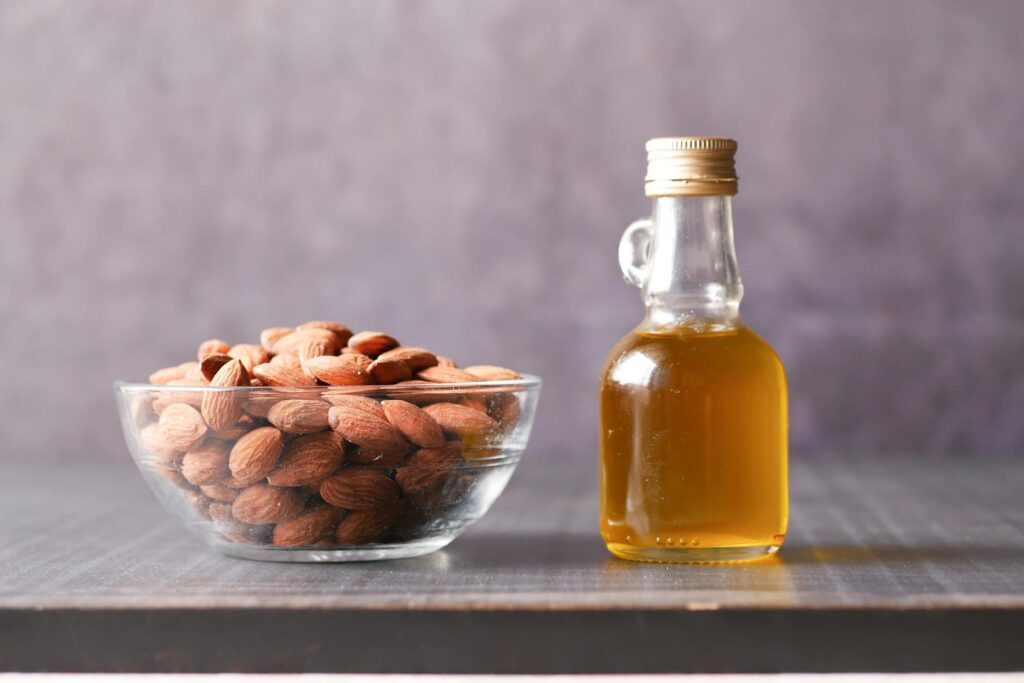
The oil is pale yellow in color and has a mild, pleasant scent, making it suitable for various applications. Rich in vitamins A, E, and D, as well as fatty acids, sweet almond oil is renowned for its moisturizing and nourishing qualities.
Key Benefits and Properties
Nutritional Profile
Sweet almond oil is rich in essential fatty acids, particularly oleic and linoleic acids. These fatty acids contribute to the oil’s emollient properties, helping to retain moisture in the skin. Additionally, the oil contains:
- Vitamin E: A powerful antioxidant that helps protect skin cells from oxidative stress.
- Vitamin A: Known for its role in skin health and regeneration.
- Phytosterols: Compounds that can contribute to skin barrier function.
- Lavender: Known for its calming properties.
- Tea Tree: Valued for its antiseptic qualities.
- Peppermint: Invigorating and refreshing.
- Store it in a dark glass bottle to minimize exposure to light.
- Keep it in a cool place, ideally under room temperature.
- Ensure the cap is tightly closed to prevent exposure to air.
Moisturizing Properties
One of the primary benefits of sweet almond oil is its exceptional moisturizing capabilities. It penetrates the skin easily, making it effective for dry or sensitive skin. Its emollient nature helps to soothe irritation and prevent moisture loss.
Anti-Inflammatory Effects
The oil has anti-inflammatory properties, which can help reduce redness and irritation in the skin. This makes it suitable for individuals with conditions such as eczema or psoriasis.
Antioxidant Benefits
Rich in antioxidants, sweet almond oil can help combat free radicals, contributing to healthier skin and potentially delaying the signs of aging.
Common Uses
Skin Care
Sweet almond oil is widely used in skincare formulations due to its moisturizing and soothing properties. It serves as an excellent base for lotions, creams, and serums, and can be used directly on the skin.
Hair Care
This oil is also beneficial for hair health. It can be used as a hair conditioner or treatment to improve shine, reduce frizz, and nourish the scalp.
Culinary Applications
In culinary settings, sweet almond oil is often used as a salad dressing or drizzled over steamed vegetables and grains. It adds a subtle nutty flavor and is rich in monounsaturated fats, which are beneficial for heart health.
Massage Oil
Due to its smooth texture and skin-nourishing properties, sweet almond oil is popular as a carrier oil in massage therapy. It blends well with essential oils, enhancing the overall therapeutic experience.
Aromatherapy Applications
In aromatherapy, sweet almond oil is primarily used as a carrier oil, allowing essential oils to be diluted effectively without overwhelming the senses. Its mild scent does not compete with other essential oils, making it an excellent choice for blending.
Blending with Essential Oils
When mixing sweet almond oil with essential oils, a typical dilution ratio is 2-3 drops of essential oil per teaspoon of carrier oil. Some popular essential oils that blend well with sweet almond oil include:
These blends can be used for massage, in diffusers, or in DIY skincare formulations.
Aromatherapy Diffusion
While sweet almond oil is not typically used in diffusers, it can be included in oil blends for topical application. Its soothing properties can enhance the overall aromatherapy experience when combined with essential oils.
Safety Considerations
Sweet almond oil is generally considered safe for most individuals. However, there are a few safety considerations to keep in mind:
Allergies
Individuals with nut allergies should exercise caution when using sweet almond oil, as it is derived from nuts. A patch test is recommended for those who are unsure of their sensitivity.
Skin Sensitivity
Although sweet almond oil is gentle, some individuals may experience irritation. It is advisable to conduct a patch test on a small area of skin before widespread use.
Storage Instructions
To maintain the quality of sweet almond oil, it should be stored in a cool, dark place, away from direct sunlight and heat sources. Proper storage will help to prevent oxidation and extend the oil’s shelf life.
Storage and Shelf Life
Sweet almond oil has a relatively long shelf life, typically lasting between 12 to 24 months when stored correctly. To ensure the oil remains fresh:
Regularly check for any off odors or changes in color, which may indicate rancidity.
Frequently Asked Questions
1. Can sweet almond oil be used on the face?
Yes, sweet almond oil can be used on the face. Its moisturizing properties make it suitable for dry skin, but those with oily or acne-prone skin should use it with caution to avoid clogged pores.
2. Is sweet almond oil safe for children?
Sweet almond oil is generally safe for children, but a patch test is recommended before applying it to larger areas of skin. Always consult with a healthcare professional if you have concerns.
3. Can I use sweet almond oil in cooking?
Yes, sweet almond oil is safe for culinary use. It can be used for salad dressings, drizzling over dishes, or in baking. However, it is not suitable for high-heat cooking methods like frying.
4. How can I incorporate sweet almond oil into my skincare routine?
You can use sweet almond oil as a moisturizer, makeup remover, or massage oil. It can also be blended with essential oils for added benefits.
5. Does sweet almond oil have a scent?
Sweet almond oil has a mild, nutty scent that is generally considered pleasant. Its neutral aroma makes it an excellent carrier oil that does not overpower other essential oils in blends.
Conclusion
Sweet almond oil is a versatile and beneficial oil widely used in skincare, hair care, culinary applications, and aromatherapy. Its rich nutritional profile and moisturizing properties make it a valuable addition to a holistic lifestyle. By understanding its benefits, uses, and safety considerations, individuals can effectively incorporate sweet almond oil into their daily routines for enhanced well-being.