
Complete Guide to Sweet Almond Oil Part 7
Introduction
Sweet almond oil, a popular carrier oil in the world of aromatherapy and natural skincare, has gained recognition for its versatility and beneficial properties. Extracted from the seeds of the Prunus dulcis tree, this oil has been utilized for centuries in various cultures for its nourishing and soothing qualities. In this comprehensive guide, we will explore the characteristics, benefits, common uses, and safety considerations of sweet almond oil.
What Is Sweet Almond Oil?
Sweet almond oil is derived from the dried kernels of the sweet almond tree, which is native to the Mediterranean region but is now cultivated in various parts of the world. The oil is typically obtained through cold-pressing, a method that preserves the nutritional integrity of the oil.
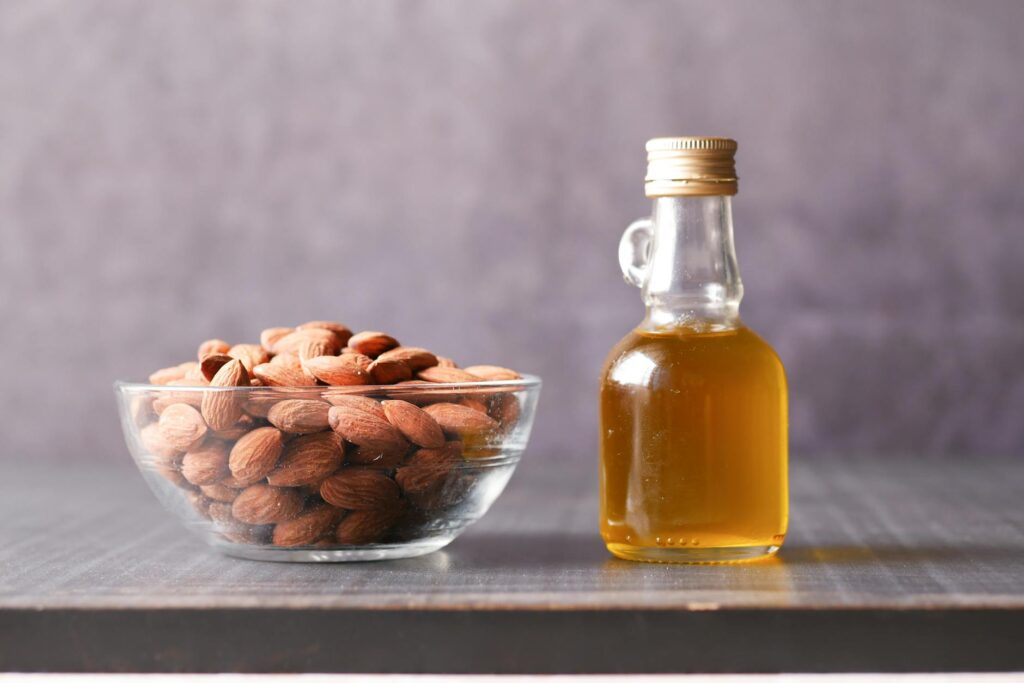
The oil has a light, nutty aroma and a pale yellow to golden color. Due to its emollient properties, sweet almond oil is easily absorbed by the skin, making it an ideal choice for cosmetic formulations and massage applications. It is important to distinguish sweet almond oil from bitter almond oil, which contains compounds that can be toxic; only sweet almond oil is safe for cosmetic and culinary use.
Key Benefits and Properties
Sweet almond oil is rich in essential fatty acids, vitamins, and minerals, which contribute to its numerous benefits:
1. Moisturizing: The oil is an excellent moisturizer for both skin and hair. Its high oleic acid content helps retain moisture, making it beneficial for dry or sensitive skin.
2. Nourishing: Packed with vitamins E and A, sweet almond oil nourishes and protects the skin from oxidative stress. Vitamin E is known for its antioxidant properties, while vitamin A supports skin repair.
3. Soothing: The oil has anti-inflammatory properties that can help calm irritated skin, making it suitable for conditions such as eczema and psoriasis.
4. Gentle: Its mild nature makes sweet almond oil suitable for use on all skin types, including sensitive skin and that of infants.
5. Non-comedogenic: Sweet almond oil is considered non-comedogenic, meaning it won’t clog pores, making it a favored choice for facial applications.
6. Rich in Minerals: It contains essential minerals such as magnesium and calcium, which contribute to overall skin health.
Common Uses
Sweet almond oil is a versatile oil that can be used in various ways:
1. Skincare: It can be used as a moisturizer, makeup remover, or carrier oil for essential oils. Its soothing properties make it popular in products designed for sensitive skin.
2. Massage Oil: As a carrier oil, it is commonly blended with essential oils for massage therapy, providing a smooth glide and skin nourishment.
3. Hair Care: Sweet almond oil can be used to condition hair, improve shine, and reduce frizz. It is often added to hair masks or used as a leave-in treatment.
4. Culinary Uses: Although primarily used for cosmetic applications, sweet almond oil is also safe for culinary use. It can be used in salad dressings or as a finishing oil for various dishes.
5. Baby Care: Due to its gentle nature, it is often used in baby massage oils and lotions, providing nourishment without harsh chemicals.
Aromatherapy Applications
In aromatherapy, sweet almond oil serves as a carrier oil for essential oils, allowing for safe and effective topical application. Its neutral scent does not overpower the fragrance of essential oils, making it an ideal medium for blending. Here are a few applications:
1. Blending with Essential Oils: Sweet almond oil can be combined with various essential oils, such as lavender, chamomile, or tea tree oil, to enhance their properties and facilitate skin absorption.
2. Diffuser Blends: While sweet almond oil is not typically used in diffusers, it can be added to oil blends intended for topical application after diffusion.
3. Relaxation and Stress Relief: When used in massage or topical applications, sweet almond oil can enhance the calming effects of essential oils, promoting relaxation and stress relief.
4. Skin Rejuvenation: It can be used in blends aimed at rejuvenating the skin, particularly in formulations targeting aging or dry skin.
Safety Considerations
While sweet almond oil is generally considered safe for topical use, there are a few important considerations:
1. Allergies: Individuals with nut allergies should exercise caution, as sweet almond oil is derived from almonds. A patch test is recommended for those who have never used the oil before.
2. Quality: When purchasing sweet almond oil, opt for high-quality, cold-pressed, organic options to ensure purity and efficacy. Avoid oils that are diluted or contain additives.
3. Storage: Proper storage is crucial to maintain the integrity of the oil. Keep it in a cool, dark place, away from direct sunlight and heat.
4. Consultation: As always, consult with a healthcare professional before using any new product, especially if you have underlying skin conditions or are pregnant or nursing.
Storage and Shelf Life
To ensure the longevity of sweet almond oil, proper storage is essential:
1. Container: Store sweet almond oil in a dark glass bottle to protect it from light, which can degrade the oil. Avoid clear plastic or glass containers.
2. Temperature: Keep the oil in a cool, dry place. Exposure to high temperatures can shorten its shelf life.
3. Shelf Life: Unopened sweet almond oil can last up to two years, while opened oil is best used within 6–12 months. Always check for any off-odors or changes in color before use.
Frequently Asked Questions
1. Is sweet almond oil suitable for all skin types?
Yes, sweet almond oil is generally suitable for all skin types, including sensitive skin. Its mild nature makes it a popular choice for various skincare applications.
2. Can sweet almond oil be used on the face?
Absolutely. Sweet almond oil can be used as a facial moisturizer or as a carrier oil for essential oils. Its non-comedogenic properties make it safe for facial use.
3. How can I use sweet almond oil for hair care?
Sweet almond oil can be applied as a pre-shampoo treatment, a leave-in conditioner, or mixed into hair masks. It helps to nourish and hydrate hair while reducing frizz.
4. Is sweet almond oil safe for babies?
Yes, sweet almond oil is often used in baby care products due to its gentle nature. However, always perform a patch test and consult with a healthcare provider if you have concerns.
5. Can I use sweet almond oil for cooking?
Sweet almond oil is safe for culinary use, particularly in salad dressings or as a finishing oil. However, it is best to use it in moderation and avoid high-heat cooking.
6. How do I know if my sweet almond oil has gone bad?
Signs of rancidity include an off or sour smell, changes in color, and a thick or sticky texture. If any of these changes occur, it is best to discard the oil.
Conclusion
Sweet almond oil is a versatile and beneficial oil that has earned its place in the realms of skincare, hair care, and aromatherapy. Its rich composition promotes hydration, nourishment, and soothing effects, making it a staple in many natural beauty routines. By understanding its properties, uses, and safety considerations, you can effectively incorporate sweet almond oil into your own wellness practices.