
Complete Guide to Tamanu Oil Part 6
Introduction
Tamanu oil, derived from the nuts of the Calophyllum inophyllum tree, has garnered attention in recent years for its myriad of applications in skincare, haircare, and even culinary uses. Traditionally used in various cultures for its therapeutic properties, tamanu oil is treasured for its unique composition and versatility. This guide delves into the characteristics, benefits, and applications of tamanu oil, providing a comprehensive resource for those interested in exploring this remarkable oil.
What Is Tamanu Oil?
Tamanu oil is extracted from the nuts of the tamanu tree, a tropical tree native to the islands of the South Pacific, Southeast Asia, and parts of Africa. The process of extraction involves harvesting the nuts, allowing them to ferment in the sun, and then cold-pressing the resultant kernels to obtain the oil. The oil is typically greenish-yellow in color and possesses a rich, nutty aroma.
Rich in fatty acids, antioxidants, and other beneficial compounds, tamanu oil is celebrated for its potential to nourish and repair the skin. Its unique composition includes oleic acid, stearic acid, linoleic acid, and palmitic acid, which contribute to its emollient and moisturizing properties.
Key Benefits and Properties
Tamanu oil is often touted for its numerous benefits, which can be attributed to its distinct chemical profile. Some key properties include:
1. Anti-Inflammatory: Tamanu oil is recognized for its anti-inflammatory properties, making it a popular choice for soothing irritated skin.
2. Antioxidant: The oil is rich in antioxidants, which help combat oxidative stress and may protect the skin from environmental damage.
3. Antimicrobial: Preliminary studies suggest that tamanu oil has antimicrobial properties, which may help in the prevention of infections.
4. Wound Healing: Traditionally, tamanu oil has been used to promote wound healing and tissue regeneration.
5. Moisturizing: Due to its fatty acid content, tamanu oil acts as an effective moisturizer, helping to hydrate and soften the skin.
6. Scar Reduction: Many users report positive results in minimizing the appearance of scars, thanks to its regenerative properties.
7. Skin Tone Evening: Tamanu oil may assist in evening out skin tone, making it suitable for individuals dealing with hyperpigmentation.
Common Uses
Tamanu oil is extremely versatile and can be utilized in various ways:
Skincare
- Moisturizer: Applied directly to the skin to hydrate and nourish.
- Serum: Used as a serum or added to lotions and creams for enhanced benefits.
- Spot Treatment: Effective for targeted application on blemishes or scars.
- Conditioner: Used as a leave-in conditioner to improve shine and manageability.
- Scalp Treatment: Massaged into the scalp to alleviate dryness and promote healthy hair growth.
- With Lavender: Combining tamanu oil with lavender essential oil can promote relaxation and reduce stress.
- With Frankincense: This blend may enhance meditation practices and provide a sense of calm.
- With Tea Tree: For those dealing with acne or skin irritations, combining tamanu oil with tea tree oil can offer a synergistic approach to skincare.
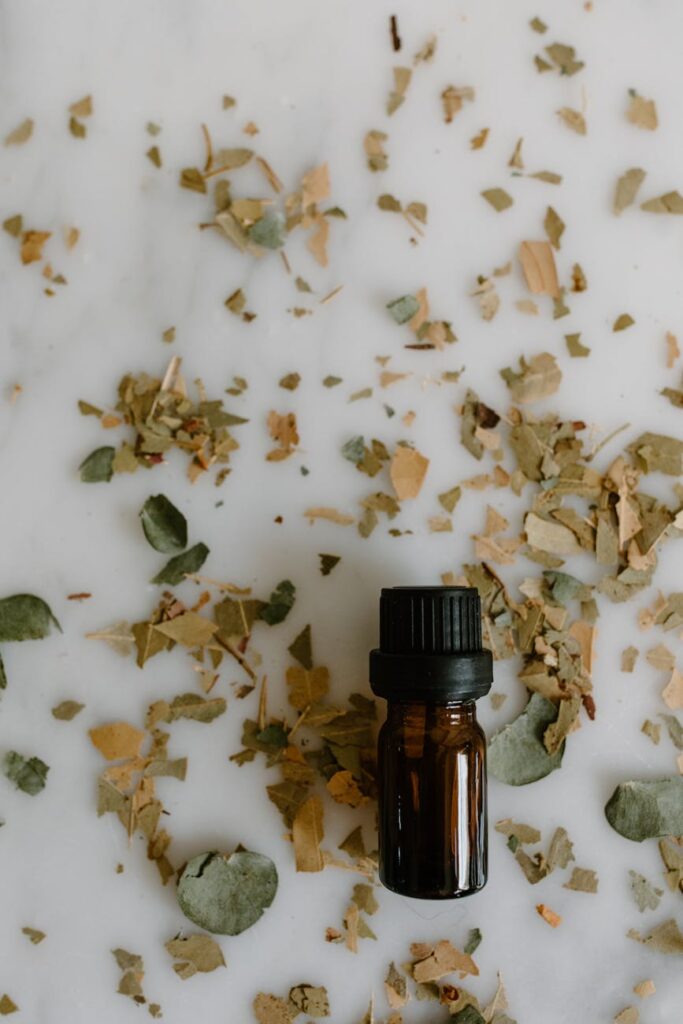
- Keep in a Cool, Dark Place: Exposure to light and heat can degrade the oil. Store it in a dark glass bottle in a cool, dry area.
- Seal Tightly: Always ensure the cap is tightly closed to prevent oxidation.
- Check Expiry Date: Tamanu oil typically has a shelf life of 1 to 2 years, depending on the extraction and storage conditions.
Haircare
Culinary Uses
In some cultures, tamanu oil is consumed for its potential health benefits. However, it is essential to ensure that the oil used for culinary purposes is food-grade and free from contaminants.
Aromatherapy Applications
While tamanu oil is primarily known for its topical applications, it can also be incorporated into aromatherapy practices. Its unique scent profile can be blended with other essential oils to create soothing and grounding blends.
Blending Suggestions
Diffusion
While tamanu oil is not typically used in diffusers, its scent can be appreciated through topical applications or in oil blends. Always ensure that any blend used for aromatherapy is safe for topical application.
Safety Considerations
While tamanu oil is generally regarded as safe for topical use, it is essential to consider a few precautions:
1. Patch Test: Before using tamanu oil extensively, conduct a patch test on a small area of skin to check for any allergic reactions.
2. Pregnancy and Nursing: Pregnant or nursing individuals should consult with a healthcare professional before using tamanu oil.
3. Pre-existing Conditions: Those with specific skin conditions or allergies should exercise caution and consult with a dermatologist if unsure.
4. Quality of Oil: Ensure that the tamanu oil purchased is pure, organic, and free from additives or contaminants.
Storage and Shelf Life
Proper storage is crucial for maintaining the quality of tamanu oil. Here are some tips to ensure longevity:
Frequently Asked Questions
1. Can tamanu oil be used on all skin types?
Yes, tamanu oil is suitable for various skin types, including oily, dry, and combination skin. However, individuals with sensitive skin should perform a patch test first.
2. Is tamanu oil comedogenic?
Tamanu oil has a comedogenic rating of 2, which means it may clog pores for some individuals. If you are prone to breakouts, use it sparingly and observe how your skin reacts.
3. Can tamanu oil be used for acne?
Many users report benefits in managing acne with tamanu oil due to its anti-inflammatory and antimicrobial properties. However, individual results may vary.
4. How often should I apply tamanu oil?
For best results, tamanu oil can be applied 1-2 times daily. Adjust frequency based on your skin’s needs and response.
5. Can I mix tamanu oil with other oils?
Yes, tamanu oil can be blended with other carrier oils or essential oils to enhance its benefits. Always ensure compatibility and conduct a patch test with new blends.
Conclusion
Tamanu oil stands out as a remarkable oil with a rich history and a broad spectrum of applications. Whether used in skincare, haircare, or even culinary practices, its unique properties make it a valuable addition to any natural health regimen. By understanding its benefits, uses, and safety considerations, individuals can make informed choices about incorporating tamanu oil into their daily routines.