
Complete Guide to Tamanu Oil Part 7
Introduction
Tamanu oil, derived from the nuts of the tamanu tree (Calophyllum inophyllum), has garnered significant attention in the realm of natural beauty and wellness. This oil, with its rich green hue and distinct aroma, is celebrated for its multifaceted applications, ranging from skincare to aromatherapy. In this comprehensive guide, we delve into the characteristics, benefits, and various uses of tamanu oil, equipping readers with the knowledge to incorporate it into their routines effectively.
What Is Tamanu Oil?
Tamanu oil is extracted from the seeds of the tamanu tree, a tropical species native to Southeast Asia, Africa, and the Pacific Islands. The oil is obtained through a cold-pressing process, which preserves its beneficial properties and unique fatty acid profile. Traditionally utilized by indigenous populations, tamanu oil has been revered for its healing and soothing properties, making it a staple in natural medicine and beauty regimens.
The oil has a rich, earthy scent and a thick consistency, often appearing dark green to brown in color. Its composition includes a variety of fatty acids, antioxidants, and anti-inflammatory compounds, contributing to its diverse applications.
Key Benefits and Properties
Tamanu oil is renowned for its impressive array of benefits, which can be attributed to its unique chemical composition. Here are some key properties:
1. Moisturizing: Tamanu oil is rich in fatty acids like oleic, linoleic, and stearic acids, which help to hydrate and nourish the skin, making it an excellent natural moisturizer.
2. Anti-inflammatory: The oil contains calophyllolide, a compound known for its anti-inflammatory properties, which can help to soothe irritation and redness.
3. Antioxidant: With a high concentration of antioxidants, tamanu oil aids in protecting the skin from oxidative stress and environmental damage.
4. Wound Healing: Traditionally, tamanu oil has been used to promote the healing of cuts, scratches, and scars. Its regenerative properties support skin cell turnover, aiding in the repair of damaged tissue.
5. Antimicrobial: Some studies suggest that tamanu oil possesses antimicrobial properties, which may help to prevent infections and support overall skin health.
6. Regenerative: The oil is believed to stimulate the production of new tissue, making it beneficial for addressing scars and blemishes.
Common Uses
Tamanu oil is versatile and can be used in various applications, including:
1. Skincare
Due to its hydrating properties, tamanu oil serves as an excellent moisturizer for the face and body. It can be applied directly to dry patches, used as a carrier oil for essential oils, or added to lotions and creams.
2. Hair Care
Tamanu oil can also be beneficial for hair, helping to moisturize the scalp and reduce dryness. When massaged into the scalp, it may promote healthy hair growth and improve overall hair texture.
3. Massage Oil
The oil’s rich consistency makes it a suitable base for massage oils. Its soothing properties can enhance relaxation during massages.
4. Lip Care
Tamanu oil can be added to lip balms or applied directly to chapped lips, providing nourishment and moisture.
5. Bath Additive
Adding tamanu oil to bath water can create a luxurious and hydrating bathing experience, soothing both the skin and the senses.
Aromatherapy Applications
In the field of aromatherapy, tamanu oil is often used as a carrier oil due to its thick consistency and skin-nourishing properties. While it may not be an essential oil in the traditional sense, it can be blended with various essential oils to enhance their effects. Here are some common applications:
1. Blending with Essential Oils
Tamanu oil pairs well with essential oils like lavender, tea tree, and chamomile. These combinations can create potent blends for relaxation, skin healing, and overall wellness.
2. Skin Treatments
In aromatherapy practices, tamanu oil can be incorporated into formulations designed to target skin issues such as acne or eczema. Its anti-inflammatory and regenerative properties enhance the effectiveness of the essential oils used in conjunction.
3. Diffusion
While tamanu oil is not commonly used in diffusers, its earthy aroma can complement other essential oils when blended appropriately. This combination can create calming atmospheres conducive to relaxation and meditation.
Safety Considerations
While tamanu oil is generally considered safe for topical use, it is essential to keep the following considerations in mind:
1. Skin Sensitivity
Before using tamanu oil, it is advisable to perform a patch test to check for any allergic reactions. Apply a small amount of oil to an inconspicuous area of skin and observe for any irritation over 24 hours.
2. Pregnancy and Nursing
Pregnant or nursing individuals should consult a healthcare professional before using tamanu oil, as there may be limited research regarding its safety during these periods.
3. Medical Conditions
Individuals with specific medical conditions or those taking medications should seek advice from a healthcare provider before incorporating tamanu oil into their routine.
Storage and Shelf Life
To ensure the longevity and effectiveness of tamanu oil, proper storage is crucial. Here are some guidelines:
1. Cool, Dark Place
Store tamanu oil in a cool, dark place away from direct sunlight and heat sources. This helps to preserve its potency and prevent oxidation.
2. Airtight Container
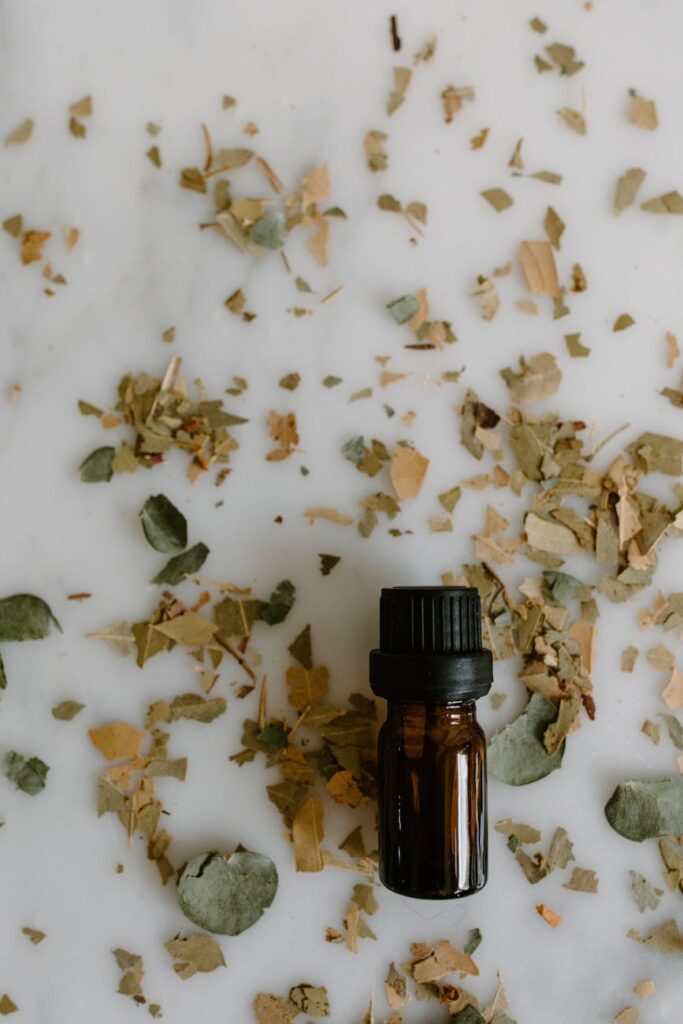
Keep the oil in an airtight, dark glass container, which can protect it from light and air exposure that may degrade its quality.
3. Shelf Life
Tamanu oil typically has a shelf life of about 1-2 years when stored correctly. However, it is advisable to check for any changes in color, odor, or consistency before use, as these may indicate spoilage.
Frequently Asked Questions
1. Can tamanu oil be used on all skin types?
Yes, tamanu oil is generally suitable for all skin types, including oily, dry, and sensitive skin. However, individuals should perform a patch test to ensure compatibility.
2. Is tamanu oil comedogenic?
Tamanu oil has a moderate comedogenic rating, meaning it may clog pores for some individuals, particularly those with acne-prone skin. Always perform a patch test before applying it to the face.
3. Can tamanu oil help with acne?
Tamanu oil may assist in reducing inflammation associated with acne and promote healing of acne scars. However, results may vary, and it is not a guaranteed solution for all individuals.
4. How can I incorporate tamanu oil into my skincare routine?
Tamanu oil can be used as a standalone moisturizer, mixed with other oils, or added to creams and serums. It can also be used as a spot treatment for scars or blemishes.
5. Where can I purchase high-quality tamanu oil?
High-quality tamanu oil can be found in health food stores, specialty skincare shops, or online retailers. Look for products that are cold-pressed, organic, and stored in dark glass containers for optimal quality.
Conclusion
Tamanu oil is a remarkable natural oil with a rich history and diverse applications. Whether used in skincare, hair care, or aromatherapy, its numerous benefits make it a valuable addition to any holistic wellness routine. As with any natural product, understanding its properties, uses, and safety considerations allows individuals to make informed choices to enhance their health and beauty practices.