
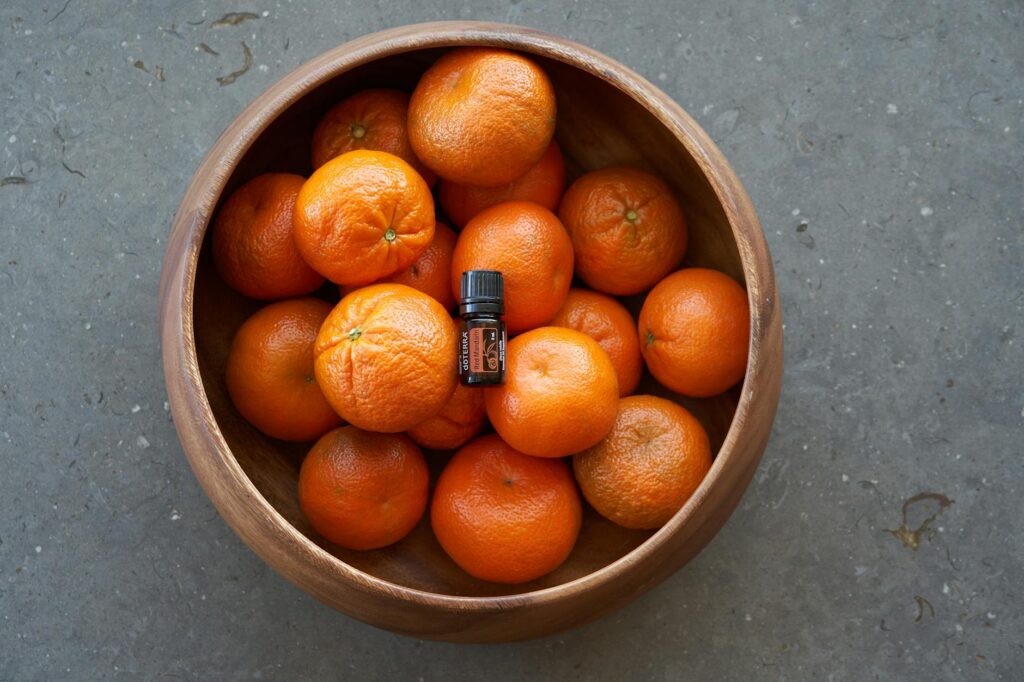
Complete Guide to Tangerine Oil Part 4
Introduction
Tangerine oil, derived from the peel of the tangerine fruit (Citrus reticulata), is a cherished essential oil known for its sweet, citrusy aroma and myriad benefits. This oil has been used for centuries in various cultural practices, from culinary applications to traditional medicine. In this guide, we delve into the specifics of tangerine oil, exploring its properties, uses, and safety considerations, providing a comprehensive resource for those interested in incorporating this delightful oil into their daily lives.
What Is Tangerine Oil?
Tangerine oil is extracted through cold pressing the peel of the tangerine fruit, a member of the citrus family. The oil is characterized by its bright orange color and uplifting, sweet scent. The extraction process preserves the oil’s natural constituents, which are responsible for its aromatic and therapeutic qualities.
The tangerine tree is small and evergreen, producing small, sweet fruits. Tangerine oil is often confused with other citrus oils, such as mandarin or sweet orange, but it possesses its own unique profile. The primary components of tangerine oil include limonene, myrcene, and alpha-pinene, which contribute to its refreshing fragrance and beneficial properties.
Key Benefits and Properties
Tangerine oil is celebrated for several key benefits and properties:
1. Mood Enhancement: The uplifting aroma of tangerine oil is often associated with promoting feelings of happiness and relaxation. It can help alleviate stress and anxiety, making it a popular choice for diffusing in living spaces.
2. Digestive Support: While anecdotal, many users of tangerine oil suggest that its scent can aid in digestion and reduce feelings of nausea.
3. Antimicrobial Properties: Tangerine oil has been noted for its potential antimicrobial properties. It may help purify the air when diffused, contributing to a healthier indoor environment.
4. Skin Care: The oil is often included in skincare formulations for its potential to brighten the skin and improve its appearance. However, it should be used with caution, as citrus oils can increase photosensitivity.
5. Insect Repellent: Tangerine oil is sometimes used in natural insect repellent formulations due to its pleasant scent that may deter bugs.
Common Uses
Tangerine oil is versatile and can be used in a variety of applications. Here are some common uses:
- Aromatherapy: Many individuals use tangerine oil in diffusers or oil burners to enhance the atmosphere of a room, promoting relaxation and cheerfulness.
- Massage Oil: When diluted with a carrier oil, tangerine oil can be incorporated into massage blends for its uplifting scent and potential benefits to the skin.
- Household Cleaner: Due to its antimicrobial properties, tangerine oil can be added to homemade cleaning solutions, offering a natural alternative to chemical cleaners.
- Culinary Uses: Tangerine oil can be used sparingly in cooking and baking, imparting a sweet citrus flavor to dishes.
- Bath Products: It can be added to bath oils or salts for a refreshing and aromatic bathing experience.
- Photosensitivity: Citrus oils, including tangerine oil, can cause photosensitivity. If applied to the skin, it is advisable to avoid direct sunlight for at least 12 hours to prevent skin irritation or burns.
- Dilution: Always dilute tangerine oil with a carrier oil before applying it topically. A typical dilution ratio is 2-3 drops of essential oil per teaspoon of carrier oil.
- Allergic Reactions: Conduct a patch test before using tangerine oil on the skin. Apply a small amount of diluted oil on the inner elbow and wait 24 hours to check for any adverse reactions.
- Pregnancy and Nursing: Pregnant or nursing individuals should consult a healthcare professional before using essential oils.
- Keep Away from Eyes: Avoid contact with the eyes and mucous membranes, as essential oils can cause irritation.
- Storage Conditions: Store tangerine oil in a cool, dark place, away from direct sunlight and heat sources. A dark glass container is ideal for preserving the oil’s properties.
- Shelf Life: Generally, tangerine oil has a shelf life of about 1 to 2 years when stored correctly. Over time, the oil may lose its potency, so it is advisable to periodically check for changes in color, scent, or consistency.
Aromatherapy Applications
Aromatherapy is the practice of using essential oils for therapeutic purposes. Tangerine oil is particularly valued in this field for its emotional and psychological benefits. Here are some applications:
Diffusion
Using a diffuser, tangerine oil can be dispersed into the air, filling a room with its sweet aroma. This method is beneficial for creating a cheerful atmosphere, reducing stress, and promoting relaxation.
Inhalation
Inhaling the scent of tangerine oil directly from the bottle or by placing a few drops on a cotton ball can provide immediate mood-enhancing effects. This technique is often used to combat feelings of anxiety or fatigue.
Bathing
Adding a few drops of tangerine oil to a warm bath can create an invigorating and revitalizing experience. It is advisable to mix the oil with a carrier oil before adding it to the bath to avoid skin irritation.
Massage
When blended with a carrier oil, tangerine oil can be incorporated into massage practices. The uplifting scent can enhance the overall experience, promoting relaxation and a sense of well-being.
Safety Considerations
While tangerine oil is generally regarded as safe when used appropriately, there are several safety considerations to keep in mind:
Storage and Shelf Life
To maintain the integrity of tangerine oil, proper storage is essential:
Frequently Asked Questions
1. Can tangerine oil be ingested?
While some essential oils are safe for ingestion, it is crucial to consult a qualified professional before consuming any essential oil, including tangerine oil.
2. Is tangerine oil safe for children?
Tangerine oil can be used around children, but it should be heavily diluted and used with caution. Always consult a healthcare professional for guidance.
3. How can I incorporate tangerine oil into my skincare routine?
Tangerine oil can be added to skincare products or diluted and applied topically. However, it is important to patch test first and avoid sun exposure afterward.
4. Can tangerine oil help with stress relief?
Many users report that the uplifting scent of tangerine oil can help alleviate feelings of stress and anxiety, making it a popular choice for aromatherapy.
5. Are there any contraindications for using tangerine oil?
Individuals with citrus allergies, pregnant or nursing women, and those with certain medical conditions should consult a healthcare provider before using tangerine oil.
Conclusion
Tangerine oil is a versatile and delightful essential oil with a wealth of benefits and applications. From its uplifting aroma to its potential antimicrobial properties, this oil has much to offer. By understanding its uses and safety considerations, individuals can safely incorporate tangerine oil into their daily routines, enhancing both their physical and emotional well-being. Whether through aromatherapy, skincare, or household applications, tangerine oil stands as a vibrant addition to the world of essential oils.