
Complete Guide to Tea Tree Oil Part 1
Introduction
Tea tree oil, derived from the leaves of the Melaleuca alternifolia tree, is a versatile essential oil renowned for its numerous applications and benefits. Originating from Australia, this oil has gained international attention due to its unique properties and effectiveness in various domains, including skincare, cleaning, and aromatherapy. This guide aims to provide an in-depth understanding of tea tree oil, exploring its characteristics, benefits, and practical applications while emphasizing safety considerations.
What Is Tea Tree Oil?
Tea tree oil is an essential oil extracted through a process known as steam distillation from the leaves of the Melaleuca alternifolia tree, which is native to Australia. The oil is characterized by its clear to pale yellow color and a distinctive fresh, medicinal aroma. It contains a complex composition of natural compounds, with terpinen-4-ol being one of the most prevalent and largely responsible for its therapeutic properties.
Historically, tea tree oil has been used by Indigenous Australians for centuries for its antiseptic and healing properties. Over the years, its popularity has surged globally, and it is now a staple in many households and industries.
Key Benefits and Properties
Tea tree oil is celebrated for its remarkable properties, which include:
1. Antimicrobial Properties: Tea tree oil exhibits potent antibacterial, antifungal, and antiviral properties. Its ability to inhibit the growth of various microorganisms makes it valuable in both personal care and cleaning products.
2. Anti-inflammatory Effects: The oil’s anti-inflammatory properties can help soothe irritated skin and reduce redness, making it a common ingredient in skincare formulations targeting acne and other inflammatory conditions.
3. Antiseptic Qualities: Due to its antiseptic nature, tea tree oil can be used in wound care to prevent infection and promote healing.
4. Decongestant: When inhaled, tea tree oil may have a decongestant effect, providing relief from respiratory issues.
5. Insect Repellent: The oil has been traditionally used to repel insects, making it a natural alternative to synthetic repellents.
Common Uses
Tea tree oil is utilized in various applications, each taking advantage of its unique properties. Some common uses include:
1. Skincare: Often incorporated into acne treatments, moisturizers, and cleansers, tea tree oil helps address skin blemishes and promotes a clearer complexion.
2. Haircare: The oil is found in shampoos and conditioners designed to alleviate dandruff and promote a healthy scalp.
3. Household Cleaner: Thanks to its antimicrobial properties, tea tree oil is a popular ingredient in homemade cleaning solutions, effective against bacteria and mold.
4. Oral Hygiene: Some toothpaste and mouthwashes include tea tree oil for its antibacterial properties, promoting oral health.
5. Inhalation: Inhaling tea tree oil, often through a diffuser or steam inhalation, can help alleviate respiratory discomfort.
Aromatherapy Applications
In the realm of aromatherapy, tea tree oil is valued for its refreshing and invigorating scent. It is often used in diffusers, inhalers, and massage oils. The oil is believed to promote mental clarity and improve focus, making it a beneficial addition to workspaces or study areas.
Blending with Other Essential Oils
Tea tree oil blends well with various essential oils, enhancing its therapeutic effects. Some popular combinations include:
- Lavender: Known for its calming properties, lavender complements tea tree oil’s cleansing effects, making it ideal for relaxation and stress relief.
- Eucalyptus: This pairing creates a refreshing aroma that may aid in respiratory issues while providing a revitalizing atmosphere.
- Peppermint: The invigorating scent of peppermint, combined with tea tree oil, can enhance focus and alertness.
When blending oils, it is essential to consider the potency of tea tree oil and to use it in moderation, especially in topical applications.
Safety Considerations
While tea tree oil is generally considered safe for topical use and aromatherapy, there are important safety considerations to keep in mind:
1. Dilution: Tea tree oil should always be diluted before applying it directly to the skin. A common dilution ratio is 1-2 drops of tea tree oil per teaspoon of carrier oil (such as coconut or jojoba oil).
2. Allergic Reactions: Some individuals may experience allergic reactions or skin sensitivity to tea tree oil. It is advisable to conduct a patch test on a small area of skin before widespread use.
3. Ingestion: Tea tree oil should not be ingested. Ingesting essential oils can lead to serious health issues. Always consult a healthcare professional for guidance.
4. Pregnancy and Nursing: Pregnant or nursing individuals should consult their healthcare provider before using tea tree oil, as its effects during these times are not well studied.
5. Children and Pets: Tea tree oil should be used with caution around children and pets. It is advisable to consult a veterinarian or pediatrician for specific guidance.
Storage and Shelf Life
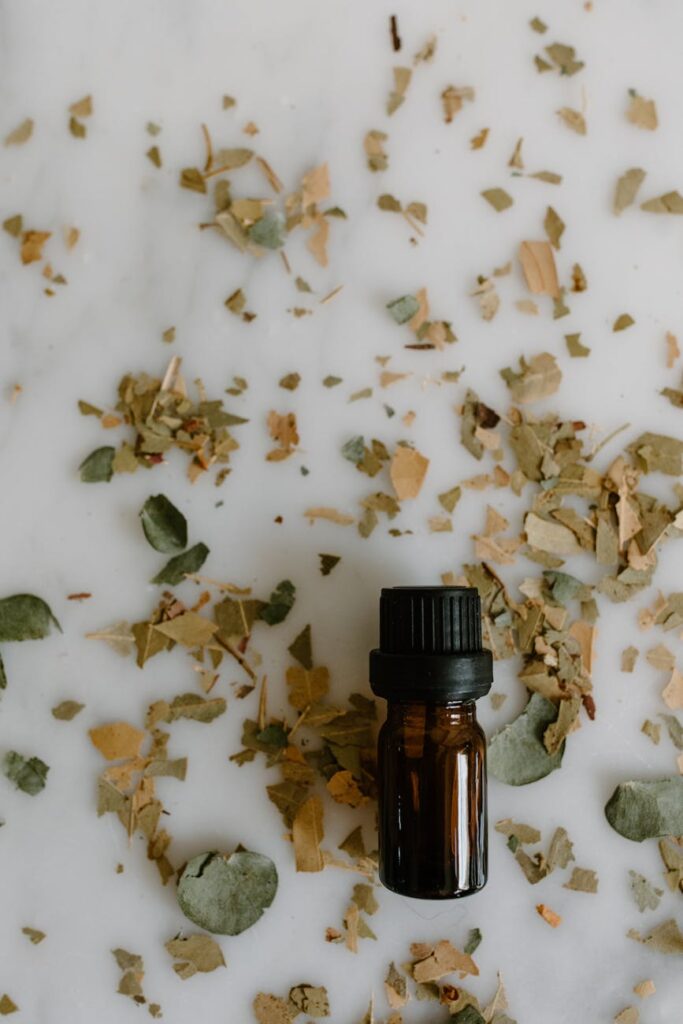
To maintain the efficacy of tea tree oil, proper storage is crucial. The oil should be kept in a cool, dark place, away from direct sunlight and heat sources. Ideally, it should be stored in a tinted glass bottle, which helps protect it from light exposure.
When stored correctly, tea tree oil has a shelf life of approximately 1 to 2 years. However, it is advisable to check for any changes in scent or consistency before use, as these may indicate that the oil has deteriorated.
Frequently Asked Questions
What is the origin of tea tree oil?
Tea tree oil originates from the leaves of the Melaleuca alternifolia tree, native to Australia. Indigenous Australians have used it for centuries for its medicinal properties.
Can tea tree oil be used for acne?
Yes, tea tree oil is commonly used in skincare products aimed at treating acne due to its antibacterial and anti-inflammatory properties. However, it should be diluted before application to avoid skin irritation.
Is tea tree oil safe for everyone?
While tea tree oil is generally safe for most individuals, it should be used with caution in children, pregnant or nursing women, and pets. A patch test is recommended to check for skin sensitivity.
How can I incorporate tea tree oil into my cleaning routine?
Tea tree oil can be added to homemade cleaning solutions, often mixed with water and vinegar, to create an effective disinfectant for surfaces.
What should I do if I experience an allergic reaction to tea tree oil?
If you experience any adverse reactions after using tea tree oil, discontinue use immediately and consult a healthcare professional for appropriate advice.
Conclusion
Tea tree oil is a remarkable essential oil with a rich history and a multitude of benefits. Its antimicrobial, anti-inflammatory, and antiseptic properties make it a versatile choice for personal care, household cleaning, and aromatherapy. However, safe usage, including proper dilution and storage, is vital to maximize its benefits while minimizing potential risks. In the next part of this guide, we will delve deeper into specific applications, recipes, and further insights into the world of tea tree oil.