
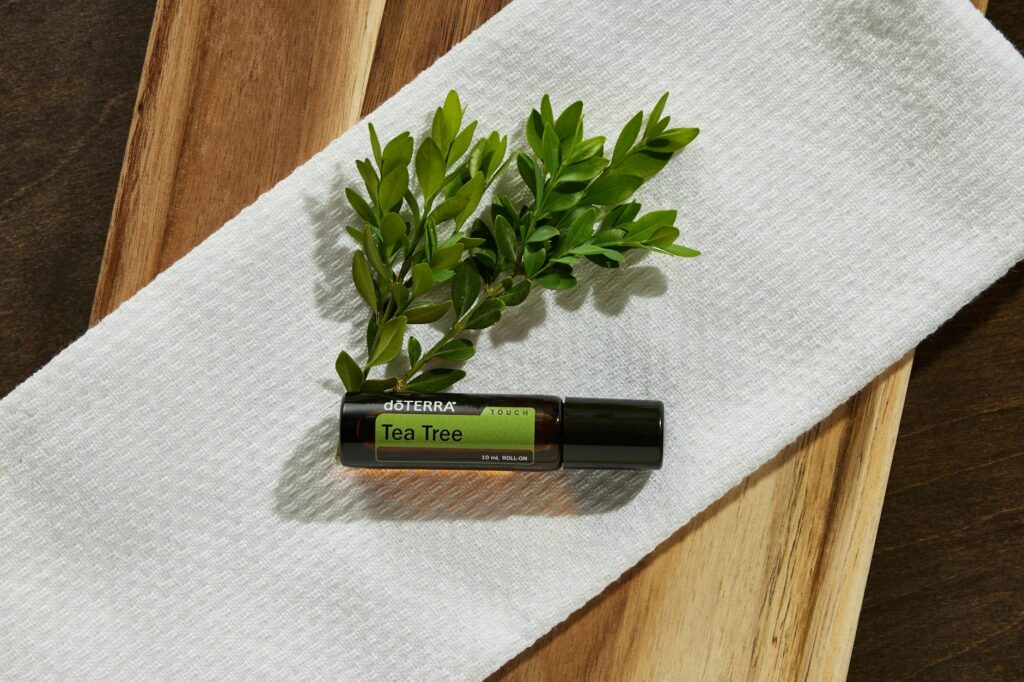
Complete Guide to Tea Tree Oil Part 1
Introduction
Tea tree oil, derived from the leaves of the Melaleuca alternifolia tree, is a well-known essential oil prized for its numerous benefits and versatile applications. Native to Australia, the oil has gained global recognition for its therapeutic properties and has become an integral part of many households. This guide aims to provide a comprehensive overview of tea tree oil, exploring its origins, benefits, common uses, and safety considerations, among other aspects.
What Is Tea Tree Oil?
Tea tree oil is an essential oil extracted through the steam distillation of the leaves of the Melaleuca alternifolia plant. This evergreen shrub, which can grow up to 7 meters tall, thrives in the wetlands of Australia. The name “tea tree” originates from the early 18th-century usage of the leaves by sailors to brew tea, which was believed to have health benefits.
The oil’s chemical composition is complex, consisting primarily of terpenes, including terpinen-4-ol, α-terpineol, and γ-terpinene. These constituents are responsible for the oil’s distinctive aroma and therapeutic properties. The high concentration of terpinen-4-ol, in particular, is often cited as one of the key components contributing to its effectiveness.
Key Benefits and Properties
Tea tree oil is renowned for its wide array of beneficial properties, making it a popular choice in both personal care and household products. Some of the most notable benefits include:
- Antimicrobial: Tea tree oil is recognized for its antimicrobial properties, which can inhibit the growth of bacteria, fungi, and viruses. This makes it a useful addition to cleaning products and personal care formulations.
- Anti-inflammatory: The oil has been noted for its anti-inflammatory effects, which can help soothe irritated skin and reduce redness.
- Antiseptic: Traditionally, tea tree oil has been utilized for its antiseptic qualities, making it effective for minor cuts and abrasions.
- Decongestant: Its natural aroma is often used in aromatherapy to help clear the respiratory tract and alleviate congestion.
- Insect Repellent: The oil is also employed as a natural insect repellent, deterring pests without the use of harsh chemicals.
- Dilution: Always dilute tea tree oil with a carrier oil before applying it to the skin to prevent irritation. A common ratio is 1-2 drops of tea tree oil per teaspoon of carrier oil.
- Patch Test: Conduct a patch test on a small area of skin before using tea tree oil more broadly to check for any adverse reactions.
- Pregnancy and Nursing: Pregnant or nursing individuals should consult with a healthcare professional before using tea tree oil.
- Children and Pets: Caution should be exercised when using tea tree oil around young children and pets, as they may be more sensitive to essential oils.
- Avoid Ingestion: Tea tree oil should never be ingested, as it can be toxic when swallowed.
- Container: Store tea tree oil in a dark glass bottle to protect it from light, which can degrade the oil over time.
- Temperature: Keep the oil in a cool, dry place, away from direct sunlight and heat sources.
- Shelf Life: When stored correctly, tea tree oil typically has a shelf life of 1-2 years. Always check for changes in odor or appearance before use.
Common Uses
Tea tree oil’s versatility allows for a wide range of applications. Some of the most common uses include:
Skin Care
Tea tree oil is frequently included in skincare products due to its ability to combat acne and other skin conditions. It is often diluted and applied topically to help reduce blemishes, soothe irritation, and improve overall skin tone.
Hair Care
The oil is also found in various hair care products. It is believed to help reduce dandruff and promote a healthier scalp environment.
Household Cleaning
Due to its antimicrobial properties, tea tree oil is often used as a natural disinfectant for cleaning surfaces. It can be added to homemade cleaning solutions or used in laundry to freshen fabric.
Oral Hygiene
Some natural toothpaste and mouth rinses contain tea tree oil for its potential antibacterial properties, promoting oral health by reducing harmful bacteria.
Aromatherapy Applications
In aromatherapy, tea tree oil is valued for its invigorating and refreshing scent. It is often used in diffusers and inhalers to promote a sense of clarity and focus. Here are some common methods of utilizing tea tree oil in aromatherapy:
Diffusion
Adding a few drops of tea tree oil to a diffuser can help purify the air, creating a fresh and clean environment. This practice may also contribute to an improved mood and heightened mental clarity.
Inhalation
For respiratory benefits, inhaling tea tree oil can provide a soothing effect. A few drops can be added to a bowl of hot water, and inhaling the steam may help clear nasal passages.
Massage
Diluting tea tree oil in a carrier oil and using it in massage can provide both relaxation and skin benefits. This combination can help relieve tension while also addressing minor skin irritations.
Safety Considerations
While tea tree oil is generally considered safe for most people when used appropriately, it is crucial to follow certain safety guidelines:
Storage and Shelf Life
To maintain the quality and efficacy of tea tree oil, proper storage is essential:
Frequently Asked Questions
Is tea tree oil safe for all skin types?
Tea tree oil can be beneficial for many skin types, but individuals with sensitive skin may experience irritation. It is advisable to conduct a patch test before widespread application.
Can tea tree oil be used for acne?
Yes, tea tree oil is often used in acne treatments due to its antibacterial and anti-inflammatory properties. However, it should be diluted before application.
How can tea tree oil be used in hair care?
Tea tree oil can be added to shampoos or conditioners to help address issues like dandruff and an itchy scalp. Diluting it with a carrier oil can also provide scalp benefits.
Can I use tea tree oil in my homemade cleaning products?
Absolutely! Tea tree oil can be an excellent addition to homemade cleaning solutions due to its antimicrobial properties.
What should I do if I experience irritation from tea tree oil?
If you experience irritation after using tea tree oil, discontinue use immediately and wash the area with soap and water. If irritation persists, consult a healthcare professional.
Conclusion
Tea tree oil is a versatile essential oil that has a long history of use and a wide range of applications. From skincare to household cleaning, its properties make it a valuable addition to many natural remedies and products. In the following part of this guide, we will delve deeper into the science behind tea tree oil, exploring its chemical composition and mechanisms of action, as well as discussing its historical significance and cultural applications. Stay tuned for more insights into this remarkable oil!