
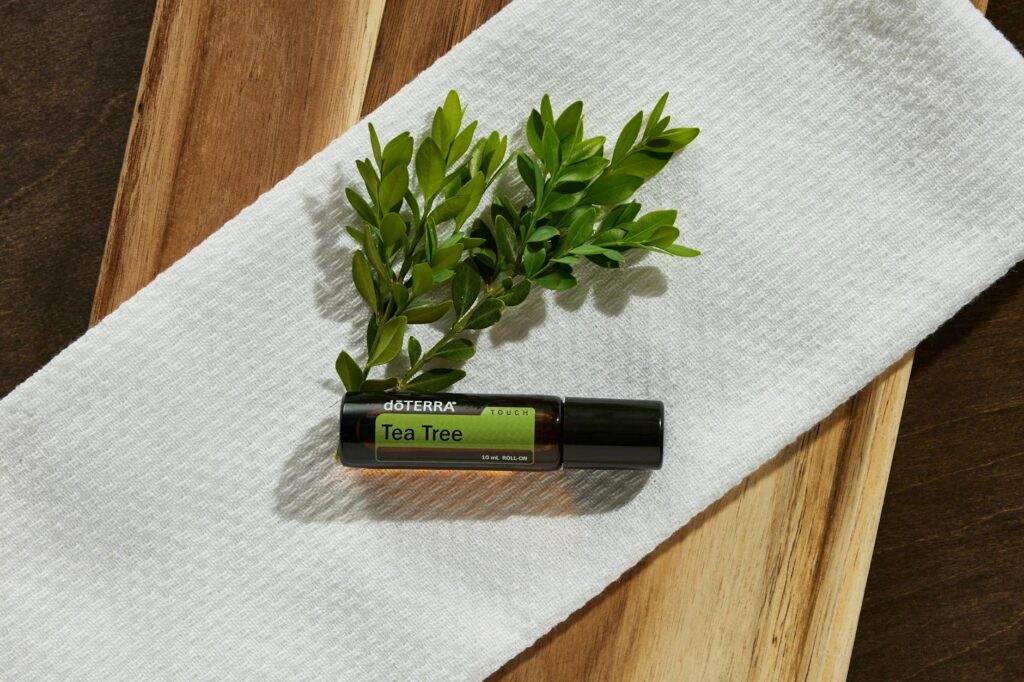
Complete Guide to Tea Tree Oil Part 11
Introduction
Tea tree oil, derived from the leaves of the Melaleuca alternifolia tree native to Australia, has garnered significant attention for its diverse applications in natural health, skincare, and aromatherapy. This comprehensive guide aims to explore the multifaceted aspects of tea tree oil, including its origins, benefits, common uses, and safety considerations.
What Is Tea Tree Oil?
Tea tree oil is an essential oil obtained through steam distillation of the leaves of the Melaleuca alternifolia tree. This tree is an evergreen shrub that thrives in the swampy regions of Australia. Indigenous Australians have utilized tea tree oil for centuries, employing it for its antiseptic properties and other benefits. The oil is characterized by its fresh, medicinal aroma and is often pale yellow to clear in color.
The primary components of tea tree oil include terpinen-4-ol, γ-terpinene, and α-terpineol, which contribute to its therapeutic properties. These compounds are responsible for the oil’s antimicrobial, antifungal, and antiviral effects, making it a popular choice in various applications.
Key Benefits and Properties
Tea tree oil is celebrated for its wide range of beneficial properties, which include:
1. Antimicrobial Properties: One of the most well-recognized benefits of tea tree oil is its ability to combat bacteria, viruses, and fungi. Research indicates that it is effective against a variety of pathogens, making it a valuable addition to natural hygiene practices.
2. Anti-inflammatory Effects: Tea tree oil may help reduce inflammation, which can be beneficial for skin conditions such as acne, eczema, and psoriasis. Its calming effects can help soothe irritated skin.
3. Antiseptic Qualities: The antiseptic properties of tea tree oil make it useful for minor cuts, scrapes, and burns. It can help prevent infection and promote healing.
4. Deodorizing Agent: Due to its fresh scent and antimicrobial properties, tea tree oil is often used as a natural deodorizer in personal care products and household cleaners.
5. Insect Repellent: The oil can also act as a natural insect repellent, helping to deter pests without the use of synthetic chemicals.
Common Uses
Tea tree oil is versatile and can be used in various applications, including:
- Skincare: It is commonly found in cleansers, toners, and moisturizers, especially those designed for acne-prone or oily skin. Additionally, it is often added to treatments for athlete’s foot and dandruff.
- Haircare: Tea tree oil is frequently included in shampoos and conditioners for its ability to promote a healthy scalp and reduce dandruff.
- Household Cleaning: Due to its antimicrobial properties, tea tree oil is commonly added to homemade cleaning products to disinfect surfaces and purify the air.
- Personal Care Products: It can be found in products such as deodorants, foot sprays, and massage oils.
- Diffusion: When used in aromatherapy, tea tree oil can be diffused to purify the air and create a refreshing environment.
- Storage Conditions: Store tea tree oil in a cool, dark place away from direct sunlight. Exposure to light and heat can degrade the oil and reduce its effectiveness.
- Container: Use a dark glass bottle for storage, as this will help protect the oil from light exposure. Ensure the bottle is tightly sealed to prevent oxidation.
- Shelf Life: Generally, tea tree oil has a shelf life of 1 to 2 years if stored properly. However, always check for any changes in smell, color, or consistency before use, as these may indicate that the oil has gone bad.
Aromatherapy Applications
In aromatherapy, tea tree oil is valued not just for its physical benefits but also for its psychological and emotional effects. The oil can promote a sense of clarity and focus while also providing an invigorating atmosphere. Here are some common ways to utilize tea tree oil in aromatherapy:
1. Diffusers: Add a few drops of tea tree oil to a diffuser with water to purify the air and uplift the mood in your environment.
2. Topical Application: When diluted with a carrier oil, tea tree oil can be applied to pulse points or areas of tension for a calming effect.
3. Baths: Adding tea tree oil to bathwater can create a soothing experience while also delivering its benefits to the skin.
4. Inhalation: Inhaling the oil directly from the bottle or adding a few drops to a tissue can help clear the mind and enhance concentration.
Safety Considerations
While tea tree oil is generally considered safe for topical use and aromatherapy, some precautions should be observed:
1. Dilution: Tea tree oil should always be diluted with a carrier oil (such as coconut, jojoba, or almond oil) before applying to the skin to minimize the risk of irritation.
2. Patch Test: Conducting a patch test prior to widespread application is advisable. Apply a small amount of diluted oil to a discreet area of the skin and wait 24 hours to check for any adverse reactions.
3. Avoid Ingestion: Tea tree oil is intended for external use only and should not be ingested. Ingesting the oil can lead to serious health complications.
4. Not for Infants or Young Children: Tea tree oil is not recommended for use on infants or young children unless under the guidance of a qualified healthcare provider.
5. Consultation: If you are pregnant, nursing, or have underlying health conditions, consult a healthcare professional before using tea tree oil.
Storage and Shelf Life
Proper storage of tea tree oil is essential to maintain its efficacy and prolong its shelf life. Here are some guidelines:
Frequently Asked Questions
1. Can tea tree oil be used on all skin types?
Tea tree oil is generally suitable for most skin types, especially oily and acne-prone skin. However, those with sensitive skin should exercise caution and conduct a patch test before extensive use.
2. How is tea tree oil different from other essential oils?
Tea tree oil is distinct due to its high concentration of terpinen-4-ol, which gives it strong antimicrobial properties. While many essential oils have their own unique benefits, tea tree oil is particularly renowned for its ability to combat bacteria and fungi.
3. Is tea tree oil safe for pets?
Tea tree oil can be toxic to pets, especially if ingested or used in high concentrations. If you wish to use tea tree oil in a household with pets, consult a veterinarian first.
4. Can tea tree oil help with acne?
Many people find tea tree oil helpful for managing acne due to its anti-inflammatory and antimicrobial properties. However, results may vary, and it should be used with caution, particularly on sensitive skin.
5. How do I incorporate tea tree oil into my cleaning routine?
Tea tree oil can be added to homemade cleaning solutions. A common recipe includes mixing water, white vinegar, and a few drops of tea tree oil in a spray bottle for a natural disinfectant.
Conclusion
Tea tree oil stands out as a versatile and beneficial essential oil, offering a range of uses in skincare, cleaning, and aromatherapy. While it is widely recognized for its potent properties, responsible usage is key to enjoying its benefits safely. As with any essential oil, understanding its applications, benefits, and safety considerations can enhance your experience and effectiveness in using tea tree oil. Always approach with respect for the oil’s potency and the knowledge that individual responses can vary.