
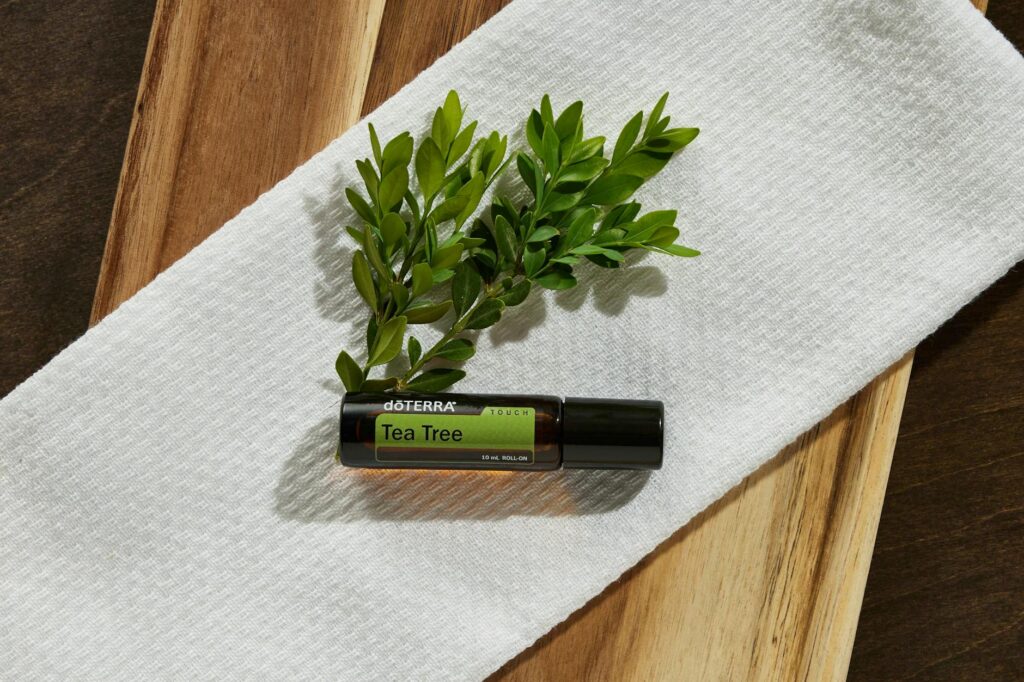
Complete Guide to Tea Tree Oil Part 13
Introduction
Tea tree oil, derived from the leaves of the Melaleuca alternifolia plant, has garnered significant attention in the realm of natural remedies and holistic health. Hailing from Australia, this essential oil is celebrated not only for its aromatic qualities but also for its multifaceted applications in various domains, including skincare, household cleaning, and aromatherapy. This guide delves into the essence of tea tree oil, exploring its properties, benefits, and uses, while also addressing safety considerations and storage tips.
What Is Tea Tree Oil?
Tea tree oil is an essential oil extracted through steam distillation from the leaves of the Melaleuca alternifolia tree. This native Australian plant is part of the Myrtaceae family and is known for its distinct, fresh, and slightly medicinal aroma. The oil typically has a pale yellow to clear color and possesses a unique composition of terpenes, primarily terpinen-4-ol, which is largely responsible for its therapeutic properties.
Historically, the indigenous people of Australia utilized tea tree leaves for their antiseptic and healing properties long before the oil gained popularity worldwide. Today, it is recognized for its versatility and effectiveness in various applications, making it a staple in many households.
Key Benefits and Properties
Tea tree oil is renowned for its extensive range of beneficial properties:
1. Antimicrobial: Tea tree oil exhibits strong antibacterial, antifungal, and antiviral properties, making it effective in combating a variety of pathogens.
2. Anti-inflammatory: The oil can help reduce inflammation, which can be beneficial for conditions such as acne and other skin irritations.
3. Antiseptic: Its antiseptic qualities make it ideal for minor cuts, scrapes, and other skin injuries, promoting healing and preventing infection.
4. Decongestant: The oil is known to have decongestant properties, which can aid in relieving symptoms of respiratory issues such as colds and allergies.
5. Insecticidal: Tea tree oil can deter insects and is often used in natural pest control solutions.
These properties make tea tree oil a valuable addition to personal care products, household cleaning agents, and wellness routines.
Common Uses
Tea tree oil’s versatility allows for its integration into various domains:
- Skincare: It is a popular ingredient in facial cleansers, toners, and spot treatments, particularly for acne-prone skin. Its antimicrobial properties help to clear blemishes and prevent future breakouts.
- Hair Care: Often found in shampoos and conditioners, tea tree oil can help with dandruff and promote a healthy scalp.
- Household Cleaning: Due to its antiseptic qualities, it is frequently used in homemade cleaning products to disinfect surfaces and eliminate odors.
- Insect Repellent: Many natural insect repellents incorporate tea tree oil to deter bugs without the use of harsh chemicals.
- Respiratory Relief: Inhalation of tea tree oil may help alleviate symptoms of congestion or respiratory discomfort when used in diffusers or steam inhalation.
- Container: Store tea tree oil in a dark glass bottle to protect it from sunlight, which can degrade the oil.
- Temperature: Keep the oil in a cool, dry place away from heat sources.
- Shelf Life: When stored correctly, tea tree oil can last for 1 to 2 years. However, it is best to check for changes in color, smell, or consistency to determine its freshness.
Aromatherapy Applications
In the field of aromatherapy, tea tree oil is often used for its invigorating and cleansing aroma. Its uplifting scent can help create a sense of clarity and focus. Here are a few applications:
1. Diffusion: Adding a few drops of tea tree oil to a diffuser can purify the air while providing a fresh, invigorating aroma.
2. Inhalation: Diluting tea tree oil in a bowl of hot water for steam inhalation may provide relief for respiratory discomfort.
3. Massage: When diluted with a carrier oil, tea tree oil can be used in massage to alleviate muscle tension and promote relaxation.
4. Baths: Adding tea tree oil to bathwater can create a soothing and aromatic experience, especially beneficial after a long day.
5. DIY Blends: Tea tree oil can be blended with other essential oils such as lavender or eucalyptus to create custom aromatic profiles, enhancing the overall experience.
Safety Considerations
While tea tree oil is generally considered safe for most people when used appropriately, there are essential safety considerations to keep in mind:
1. Dilution: Tea tree oil should always be diluted with a carrier oil (such as coconut, jojoba, or olive oil) before applying it to the skin to prevent irritation.
2. Patch Test: It is advisable to conduct a patch test before using tea tree oil on larger skin areas to check for any adverse reactions.
3. Pregnancy and Nursing: Pregnant and nursing individuals should consult with a qualified healthcare professional before using tea tree oil.
4. Children and Pets: Tea tree oil should be used with caution around children and pets, as it may cause skin irritation or other adverse reactions.
5. Ingestion: Tea tree oil is not intended for internal use and should not be ingested. Ingesting tea tree oil can lead to serious health issues.
6. Allergic Reactions: Individuals with allergies to the Myrtaceae family should avoid tea tree oil to prevent allergic reactions.
Storage and Shelf Life
To maintain the integrity and efficacy of tea tree oil, proper storage is crucial:
Frequently Asked Questions
1. Can tea tree oil be used for all skin types?
Tea tree oil may be suitable for various skin types; however, individuals with sensitive skin should exercise caution and perform a patch test before widespread use.
2. Is tea tree oil safe for pets?
Tea tree oil should be used with caution around pets. It is generally advisable to consult a veterinarian before using it in households with animals.
3. Can tea tree oil be used in cooking?
Tea tree oil is not intended for culinary use and should never be ingested. Its primary applications are external.
4. How do I know if tea tree oil is pure?
To ensure the quality of tea tree oil, purchase from reputable brands that provide information about the oil’s purity and sourcing. Look for oils that are 100% pure and free from additives.
5. Can tea tree oil help with nail fungus?
While tea tree oil has antifungal properties, individuals experiencing nail fungus should consult a healthcare professional for appropriate treatment options.
Conclusion
Tea tree oil remains a remarkable essential oil with a rich history and extensive applications. Its unique properties make it a staple in natural skincare, household cleaning, and aromatherapy practices. However, it is crucial to use tea tree oil safely and responsibly, adhering to recommended guidelines and considering individual sensitivities. With proper knowledge and application, tea tree oil can be a valuable addition to one’s holistic health and wellness routine.