
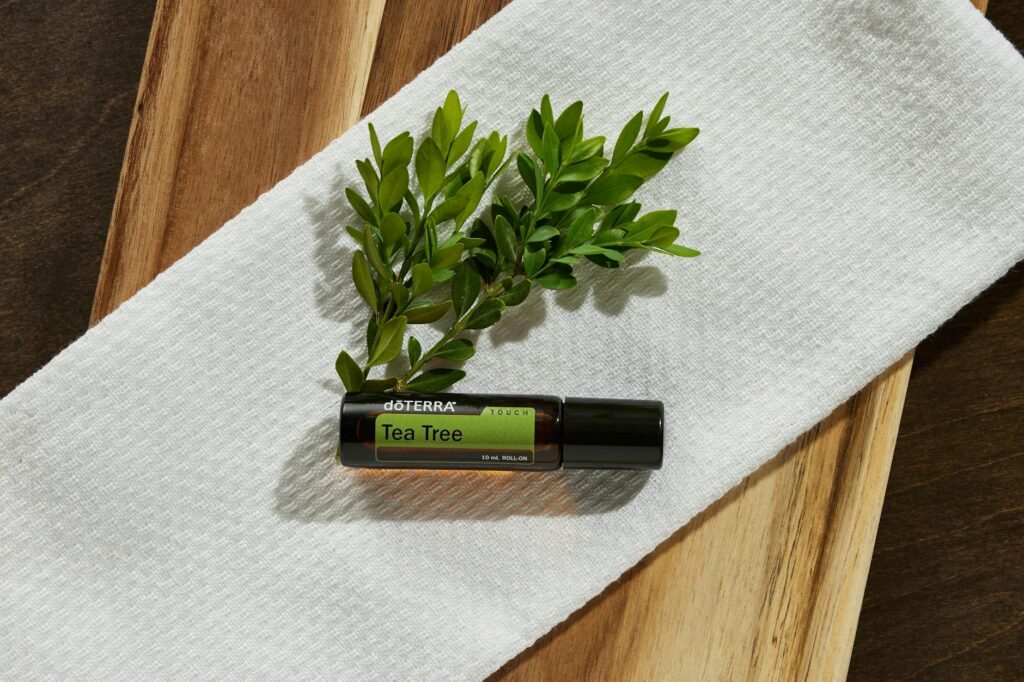
Complete Guide to Tea Tree Oil Part 14
Introduction
Tea tree oil, derived from the leaves of the Melaleuca alternifolia tree, has garnered significant attention in the realms of natural remedies and holistic wellness. Its multifaceted properties make it a staple in both aromatherapy and personal care. This comprehensive guide will delve into the nature of tea tree oil, its benefits, common applications, safety considerations, and more.
What Is Tea Tree Oil?
Tea tree oil is an essential oil that originates from the Australian native plant Melaleuca alternifolia. The oil is extracted through steam distillation of the leaves, yielding a clear to pale yellow liquid with a characteristic fresh, camphoraceous aroma. Historically, the indigenous Bundjalung people of Australia used tea tree leaves for medicinal purposes, recognizing its potential long before it became popular in the Western world.
The oil contains a complex mixture of compounds, with terpenes and monoterpenes being the most prevalent. Among these constituents, terpinen-4-ol is particularly noteworthy due to its abundance and significant biological activity.
Key Benefits and Properties
Tea tree oil is celebrated for its diverse range of benefits, primarily attributed to its antibacterial, antifungal, antiviral, and anti-inflammatory properties. While it is essential to note that individual responses to essential oils can vary, tea tree oil is commonly associated with the following benefits:
1. Antimicrobial Properties
Tea tree oil has shown effectiveness against a variety of microorganisms, including bacteria, fungi, and viruses. This makes it a popular choice for cleaning products and natural remedies aimed at combating infections.
2. Skin Health
The oil is often included in formulations designed for acne, eczema, and other skin conditions. Its anti-inflammatory properties can help alleviate redness and irritation while promoting healing.
3. Respiratory Support
Aromatherapy practitioners frequently use tea tree oil for its potential to support respiratory health. Its invigorating scent is believed to help clear the airways and promote easier breathing.
4. Insect Repellent
The oil is also known for its effectiveness in repelling insects, making it a natural alternative to synthetic repellents.
Common Uses
Tea tree oil finds application across various domains, including personal care, household cleaning, and aromatherapy. Below are some of the most common uses:
1. Skin Care
- Acne Treatment: Many topical products for acne include tea tree oil due to its antibacterial properties.
- Dandruff Control: Shampoos with tea tree oil can help reduce scalp irritation and dandruff.
- Minor Cuts and Scrapes: When diluted, tea tree oil may be applied to minor wounds for its antiseptic properties.
- Surface Cleaner: A solution of tea tree oil and water can serve as a natural disinfectant for countertops and other surfaces.
- Laundry Freshener: Adding a few drops of tea tree oil to laundry can help eliminate odors and disinfect fabrics.
- Diffusion: Tea tree oil can be used in diffusers to enhance air quality and promote a sense of well-being.
- Inhalation: Direct inhalation of the oil can be beneficial for respiratory issues.
- Toothpaste: Some natural toothpaste brands incorporate tea tree oil for its antibacterial effects.
- Deodorant: Its natural odor-fighting properties make it a common ingredient in natural deodorants.
- Temperature: Store tea tree oil in a cool, dark place, away from direct sunlight and extreme temperatures.
- Container: Keep the oil in a tightly sealed, dark glass bottle to prevent oxidation and degradation.
2. Household Cleaning
3. Aromatherapy
4. Personal Hygiene
Aromatherapy Applications
In the realm of aromatherapy, tea tree oil is valued not only for its therapeutic properties but also for its uplifting scent. It can be used in various ways:
1. Diffusion
Adding a few drops of tea tree oil to an essential oil diffuser can purify the air and create a refreshing atmosphere. It may be combined with other essential oils like lavender or eucalyptus to enhance its effects.
2. Inhalation
For direct inhalation, a few drops can be placed onto a tissue or cotton ball and inhaled deeply. This method is often employed to support respiratory function.
3. Topical Application
Tea tree oil can be diluted with a carrier oil (such as jojoba or coconut oil) for topical application. This method is especially useful for localized skin issues.
4. Bathing
Adding tea tree oil to bathwater can elevate the bathing experience, promoting relaxation and a sense of well-being.
Safety Considerations
While tea tree oil is generally considered safe for most uses, there are important safety considerations to keep in mind:
1. Skin Sensitivity
Some individuals may experience skin irritation or allergic reactions. It is advisable to perform a patch test before applying tea tree oil topically.
2. Dilution
Tea tree oil should be diluted with a carrier oil when applied to the skin to minimize the risk of irritation. A common dilution ratio is 1–2 drops of tea tree oil per teaspoon of carrier oil.
3. Ingestion
Tea tree oil should never be ingested, as it can be toxic when consumed orally.
4. Pregnancy and Breastfeeding
Pregnant or breastfeeding individuals should consult with healthcare professionals before using tea tree oil, as its effects in these populations are not well-studied.
Storage and Shelf Life
Proper storage is vital for maintaining the integrity and efficacy of tea tree oil. For optimal shelf life, consider the following guidelines:
1. Storage Conditions
2. Shelf Life
When stored correctly, tea tree oil can have a shelf life of 1 to 2 years. However, it is important to check for any changes in color, smell, or consistency before use, as these may indicate that the oil has degraded.
Frequently Asked Questions
1. Can tea tree oil be used for all skin types?
While tea tree oil is beneficial for many skin types, individuals with sensitive skin should use it with caution. Dilution and patch testing are recommended.
2. How should I dilute tea tree oil for topical use?
A common dilution ratio is 1–2 drops of tea tree oil per teaspoon of carrier oil. Adjust the ratio based on individual sensitivities.
3. Is tea tree oil safe for children?
Tea tree oil should be used cautiously around children. It is advisable to consult with a healthcare professional before using it on young children or infants.
4. Can I use tea tree oil in cooking?
No, tea tree oil is not safe for consumption and should never be ingested.
5. How often can I use tea tree oil?
The frequency of use can vary depending on the application. For topical use, it is generally recommended to apply 1-2 times daily, unless otherwise directed.
Conclusion
Tea tree oil is a versatile essential oil with a rich history and numerous applications in skincare, cleaning, and aromatherapy. While its benefits are well documented, it is crucial to approach its use with respect and caution. By understanding its properties, uses, and safety considerations, individuals can effectively integrate tea tree oil into their wellness routines. Always remember to consult relevant sources and professionals when incorporating new substances into your health and wellness practices.