
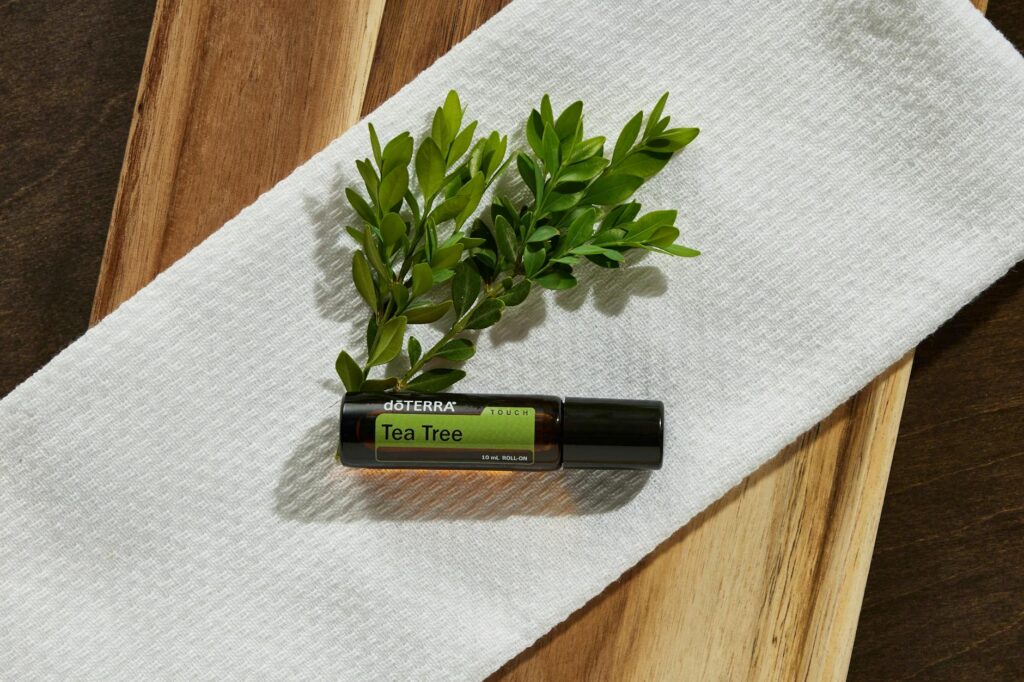
Complete Guide to Tea Tree Oil Part 15
Introduction
Tea tree oil, derived from the leaves of the Melaleuca alternifolia plant native to Australia, has gained significant popularity in recent years due to its diverse range of benefits and applications. This essential oil is renowned for its antimicrobial properties and is widely used in both personal care and household products. This guide aims to provide an in-depth understanding of tea tree oil, exploring its characteristics, benefits, common uses, and more.
What Is Tea Tree Oil?
Tea tree oil is a volatile essential oil obtained through the steam distillation of the leaves and twigs of the Melaleuca alternifolia tree. The oil has a characteristic fresh, slightly medicinal scent that sets it apart from other essential oils. Traditionally used by Indigenous Australians for its healing properties, tea tree oil has become a staple in modern aromatherapy and holistic health practices.
The oil contains numerous compounds, notably terpinen-4-ol, which is primarily responsible for its therapeutic effects. Its chemical composition contributes to the oil’s unique properties, making it a valuable addition to various formulations.
Key Benefits and Properties
Tea tree oil is celebrated for its multifaceted benefits, which include:
Antimicrobial Properties
One of the most significant attributes of tea tree oil is its antimicrobial action. It possesses antibacterial, antifungal, and antiviral properties, making it effective against a variety of pathogens.
Anti-Inflammatory Effects
Tea tree oil is known for its anti-inflammatory properties, which can help reduce redness and swelling in the skin, making it a popular choice for topical applications.
Skin Healing
The oil is often used in cosmetic formulations aimed at promoting skin health. It can aid in healing minor cuts, scars, and blemishes, thanks to its soothing properties.
Deodorizing Qualities
Due to its refreshing aroma and antimicrobial properties, tea tree oil is frequently used in natural deodorants and household cleaning products to neutralize odors.
Immune Support
While not a substitute for medical treatment, some believe that the inhalation of tea tree oil can support immune function, contributing to overall wellness.
Common Uses
Tea tree oil has a wide range of applications, both in personal care and household products. Here are some common uses:
Skincare
Tea tree oil is often included in skincare products like cleansers, toners, and acne treatments. It can help to unclog pores and reduce the appearance of blemishes and acne.
Haircare
In hair care, tea tree oil is used in shampoos and conditioners to promote scalp health. It can help alleviate dandruff and soothe itchy scalps.
Household Cleaning
Many natural cleaning products contain tea tree oil due to its disinfectant properties. It can be added to homemade cleaning solutions to enhance their effectiveness.
Aromatherapy
In aromatherapy, tea tree oil can be diffused to purify the air or blended with carrier oils for topical application.
Natural Repellent
Tea tree oil can also serve as a natural insect repellent, deterring pests without the use of synthetic chemicals.
Aromatherapy Applications
In aromatherapy, tea tree oil is often diffused or used in massage blends. Its invigorating scent can uplift the mood and promote a sense of cleanliness. Here are a few applications:
Diffusion
Adding a few drops of tea tree oil to a diffuser can help purify the air while creating a refreshing environment.
Topical Blends
When combined with carrier oils such as jojoba or coconut oil, tea tree oil can be applied to the skin. It is essential to dilute it properly to prevent skin irritation.
Bathing
Adding tea tree oil to bathwater can create a soothing and aromatic experience, helping to cleanse the skin and relax the mind.
Inhalation
Inhaling tea tree oil directly or through steam inhalation can provide a refreshing experience, particularly during cold and flu seasons.
Safety Considerations
While tea tree oil is generally considered safe for use, certain precautions should be taken:
Skin Sensitivity
Some individuals may experience skin irritation or allergic reactions. A patch test is recommended before applying tea tree oil to larger areas of the skin.
Ingestion
Tea tree oil should not be ingested, as it can be toxic when consumed. Always keep it out of reach of children.
Pregnant or Nursing Women
Pregnant or nursing women should consult healthcare professionals before using tea tree oil.
Pets
Tea tree oil can be toxic to pets, particularly cats and dogs. It should be used with caution in households with animals.
Storage and Shelf Life
Proper storage of tea tree oil is crucial to maintain its quality and effectiveness. Here are some guidelines:
Storage Conditions
- Store tea tree oil in a cool, dark place away from direct sunlight and heat.
- Keep it tightly sealed in its original container or a dark glass bottle to prevent oxidation.
Shelf Life
When stored properly, tea tree oil typically has a shelf life of about 1 to 2 years. It is advisable to check for any changes in color, scent, or consistency before use.
Frequently Asked Questions
1. Can tea tree oil be used for all skin types?
Tea tree oil can be beneficial for various skin types, particularly oily and acne-prone skin. However, those with sensitive skin should use it cautiously and consider dilution.
2. Is tea tree oil effective against fungal infections?
Tea tree oil has antifungal properties and may be effective against certain fungal infections, such as athlete’s foot. However, it should not replace medical treatment.
3. Can I use tea tree oil on my hair?
Yes, tea tree oil can be used in hair care products to promote scalp health and address dandruff. Always dilute it with a carrier oil before applying it to the scalp.
4. Does tea tree oil have any side effects?
Some individuals may experience skin irritation or allergic reactions. A patch test is recommended before extensive use.
5. How can I incorporate tea tree oil into my cleaning routine?
Tea tree oil can be added to homemade cleaning solutions for its antibacterial properties. A few drops can enhance the disinfectant properties of vinegar or baking soda solutions.
6. Is it safe to use tea tree oil while pregnant?
Pregnant or nursing women should consult healthcare professionals before using tea tree oil to ensure safety.
Conclusion
Tea tree oil is a versatile and valuable essential oil that offers numerous benefits for both personal care and household applications. With its rich history and diverse uses, tea tree oil continues to be a popular choice for those seeking natural alternatives. By understanding its properties, safe usage guidelines, and applications, individuals can make informed decisions about incorporating this oil into their routines. As with all essential oils, proper precautions and usage are essential to fully enjoy the benefits of tea tree oil.