
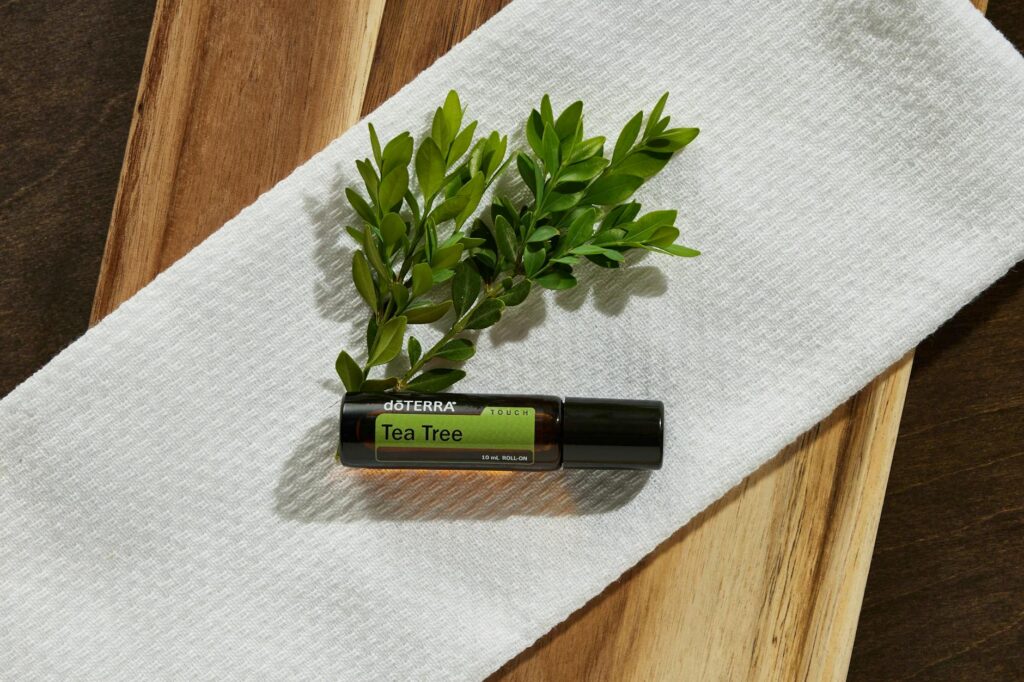
Complete Guide to Tea Tree Oil Part 2
Introduction
Tea tree oil has garnered significant attention in recent years for its versatile applications in personal care, cleaning, and aromatherapy practices. This aromatic essential oil is derived from the leaves of the Melaleuca alternifolia, a small tree native to Australia. Known for its potent antimicrobial properties, tea tree oil has become a staple in many households and wellness routines. This article will delve deeper into the characteristics, uses, and precautions associated with tea tree oil, offering insights for both newcomers and seasoned enthusiasts.
What Is Tea Tree Oil?
Tea tree oil is an essential oil extracted through steam distillation from the leaves of the Melaleuca alternifolia tree. The oil has a fresh, medicinal aroma and is characterized by its pale yellow to clear liquid form. It contains a variety of compounds, most notably terpenes, which contribute to its distinct scent and therapeutic properties. The main components of tea tree oil include:
- Terpinen-4-ol: Known for its antimicrobial activity.
- α-Terpineol: Associated with anti-inflammatory properties.
- 1,8-Cineole: Known for its stimulating and refreshing qualities.
- Container: Store tea tree oil in a dark glass bottle to protect it from light and oxidation.
- Cool Environment: Keep it in a cool, dry place, away from direct sunlight and heat sources.
- Shelf Life: When stored correctly, tea tree oil can last up to three years. However, it’s best to check for any changes in smell or appearance before use.
The unique composition of tea tree oil makes it a subject of interest for those exploring natural remedies and holistic practices.
Key Benefits and Properties
Tea tree oil is renowned for its comprehensive range of beneficial properties, making it suitable for various applications. Here are some of the key benefits:
1. Antimicrobial Properties: Tea tree oil is widely recognized for its ability to combat bacteria, fungi, and viruses. This makes it particularly valuable in personal care products and cleaning solutions.
2. Anti-Inflammatory Effects: The oil can help reduce inflammation and soothe irritated skin, making it a popular choice for skin care applications.
3. Antiseptic Qualities: It can be used in minor cuts and abrasions to prevent infection, thanks to its antiseptic properties.
4. Decongestant: The oil has a refreshing aroma that may help clear nasal passages and improve respiratory function.
5. Insect Repellent: Tea tree oil is often employed as a natural insect repellent, effectively deterring various pests.
Common Uses
The versatility of tea tree oil allows it to be utilized in a wide range of applications:
Skin Care
Tea tree oil is commonly found in skin care products due to its ability to address blemishes, acne, and other skin conditions. It can be diluted with a carrier oil and applied topically to affected areas, providing soothing relief.
Hair Care
Many shampoos and conditioners incorporate tea tree oil to combat dandruff and promote a healthy scalp. Its antifungal properties can help reduce the presence of Malassezia, the yeast linked to dandruff.
Household Cleaning
Thanks to its antimicrobial properties, tea tree oil is often included in natural cleaning formulations. It can be added to homemade all-purpose cleaners to enhance their effectiveness against germs and odors.
Oral Hygiene
Some oral care products feature tea tree oil for its potential to inhibit bacteria in the mouth, contributing to healthier gums and fresher breath. However, it should be used cautiously and never swallowed.
Insect Bites and Stings
Tea tree oil can provide relief from insect bites and stings. When diluted with a carrier oil, it can be applied to the affected area to alleviate itching and inflammation.
Aromatherapy Applications
Tea tree oil is frequently employed in aromatherapy, where it is valued for its invigorating and cleansing properties. Here are some common aromatherapy applications:
Diffusion
Adding a few drops of tea tree oil to a diffuser can help purify the air and create a refreshing environment. Its uplifting scent makes it a popular choice for promoting mental clarity and focus.
Inhalation
Inhaling the aroma directly from the bottle or through steam inhalation can provide respiratory benefits. It may help alleviate congestion and promote easier breathing, particularly during cold and allergy seasons.
Massage
When diluted with a carrier oil, tea tree oil can be used in massage to relieve muscle tension and promote relaxation. Its antiseptic properties can also benefit the skin during the massage process.
Safety Considerations
While tea tree oil is generally considered safe for topical application and aromatherapy, there are essential safety guidelines to follow:
1. Dilution: Always dilute tea tree oil with a carrier oil (such as coconut or jojoba oil) before applying it to the skin. This helps prevent irritation and enhances absorption.
2. Patch Test: Conduct a patch test to check for any allergic reactions. Apply a small amount of diluted oil to a discreet area of skin and wait 24 hours.
3. Avoid Ingestion: Tea tree oil should never be ingested, as it can be toxic if swallowed.
4. Pregnancy and Nursing: Pregnant or nursing individuals should consult a healthcare professional before using tea tree oil.
5. Children and Pets: Use caution when applying tea tree oil around children and pets, as they may be more sensitive to essential oils.
Storage and Shelf Life
Proper storage is crucial to maintaining the quality of tea tree oil. Here are some tips:
Frequently Asked Questions
1. Can I use tea tree oil on my skin every day?
While many individuals use tea tree oil daily, it’s essential to monitor your skin’s response. Start with a patch test and, if well-tolerated, use it in moderation.
2. Is tea tree oil safe for pets?
Tea tree oil can be toxic to pets, especially cats and dogs, if ingested or applied in high concentrations. Consult a veterinarian before using it around animals.
3. Can I mix tea tree oil with other essential oils?
Yes, tea tree oil can be blended with other essential oils, such as lavender or eucalyptus, to create synergistic effects. Ensure that all oils are safe for your intended use and properly diluted.
4. How can I tell if my tea tree oil is pure?
To determine the purity of tea tree oil, look for products that are labeled as 100% pure essential oil, preferably with a GC/MS (Gas Chromatography/Mass Spectrometry) report available.
5. Can tea tree oil help with dandruff?
Yes, tea tree oil’s antifungal properties can help reduce dandruff. It is often used in shampoos formulated to combat this condition.
In conclusion, tea tree oil is a multifaceted essential oil with a rich history and a wide array of applications. Whether used in skin care, hair care, or aromatherapy, it offers numerous benefits while requiring careful handling and storage. By understanding its properties and uses, individuals can incorporate tea tree oil into their wellness routines effectively and safely.