
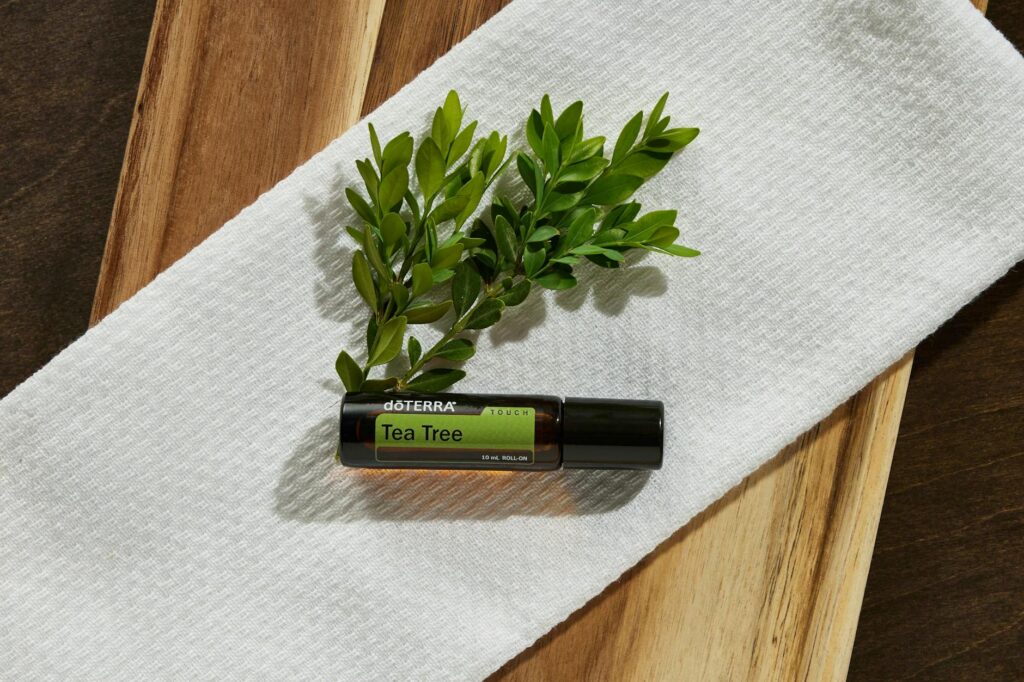
Complete Guide to Tea Tree Oil Part 4
Introduction
Tea tree oil, derived from the leaves of the Melaleuca alternifolia tree, has garnered significant attention for its diverse applications and potential benefits. This essential oil, native to Australia, has been used for centuries by Indigenous Australians for its medicinal properties. In this installment of our comprehensive guide, we will delve into the various facets of tea tree oil, examining its properties, uses, and safety considerations, while providing a well-rounded understanding of its role in aromatherapy and everyday life.
What Is Tea Tree Oil?
Tea tree oil is an essential oil extracted through steam distillation from the leaves of the Melaleuca alternifolia tree. This evergreen species can be recognized by its narrow leaves and aromatic foliage. The oil is characterized by its pale yellow to clear color and its fresh, medicinal scent. Composed of a complex mixture of compounds, the primary constituents of tea tree oil include terpinen-4-ol, gamma-terpinene, and alpha-terpineol, which contribute to its distinctive properties and uses.
The rich history of tea tree oil stretches back to its traditional use by Aboriginal Australians, who employed it for treating cuts, wounds, and skin infections. In recent years, tea tree oil has gained popularity in the global wellness community, with a growing body of research investigating its potential applications.
Key Benefits and Properties
Tea tree oil is celebrated for its versatile benefits, which can be attributed to its unique chemical composition. Key properties include:
1. Antimicrobial: Tea tree oil exhibits antimicrobial properties, making it effective against various strains of bacteria, fungi, and viruses. This has led to its incorporation in various personal care products.
2. Anti-inflammatory: The oil may help reduce inflammation, making it a popular choice for soothing irritated skin.
3. Antiseptic: Tea tree oil has been traditionally recognized for its antiseptic qualities, which can aid in wound healing and infection prevention.
4. Decongestant: Its fresh aroma serves as a natural decongestant, providing relief from respiratory issues when inhaled.
5. Insect Repellent: The scent of tea tree oil is known to repel certain insects, adding another layer of utility.
These properties make tea tree oil a valuable resource in both personal care and household applications.
Common Uses
Tea tree oil is utilized in a variety of settings, both in personal care and household products. Some common uses include:
- Skincare: Tea tree oil is frequently added to lotions, creams, and serums for its potential to address acne, blemishes, and other skin conditions. It may be diluted with carrier oils such as jojoba or coconut oil to enhance its application.
- Haircare: Due to its antifungal properties, tea tree oil is often found in shampoos and conditioners aimed at treating dandruff and promoting a healthy scalp.
- Household Cleaner: The antimicrobial properties of tea tree oil make it an effective ingredient in natural cleaning solutions, helping to disinfect surfaces and purify the air.
- Dental Care: Some toothpaste and mouthwashes incorporate tea tree oil for its potential to support oral hygiene.
- Insect Repellent: The oil can be diluted and applied to the skin or used in homemade repellents to deter insects.
- Diffusion: By adding a few drops of tea tree oil to a diffuser, individuals can enjoy its cleansing aroma while purifying the air in a space.
- Inhalation: Inhalation of tea tree oil may provide a refreshing experience, particularly during cold and flu seasons. Inhaling the scent can help clear the airways and promote respiratory comfort.
- Topical Application: When diluted with a carrier oil, tea tree oil can be used for massage or localized treatment on areas of the body that may benefit from its properties.
Aromatherapy Applications
In the realm of aromatherapy, tea tree oil is valued for its invigorating and purifying aroma. It is often used in diffusers, inhalers, or added to massage oils to create a calming and refreshing environment. Some common applications include:
Incorporating tea tree oil into an aromatherapy practice can enhance overall well-being and create a sense of balance.
Safety Considerations
While tea tree oil is generally considered safe for topical use when diluted, there are several important safety considerations to keep in mind:
1. Dilution: Essential oils are highly concentrated substances and should always be diluted with a carrier oil before applying to the skin to prevent irritation or allergic reactions.
2. Patch Test: Before widespread use, it is advisable to conduct a patch test by applying a small amount of diluted oil to a discreet area of skin to check for any adverse reactions.
3. Avoid Ingestion: Tea tree oil should not be ingested unless under the guidance of a qualified professional. Ingesting essential oils can lead to serious health issues.
4. Pregnancy and Nursing: Pregnant or nursing individuals should consult a healthcare professional before using tea tree oil to ensure safety.
5. Children and Pets: Caution should be exercised when using essential oils around children and pets. Always consult relevant resources or professionals regarding safe use.
Awareness and adherence to these safety considerations will help ensure a positive experience with tea tree oil.
Storage and Shelf Life
Proper storage is essential for maintaining the quality of tea tree oil. Here are some recommendations:
1. Cool, Dark Place: Store tea tree oil in a cool, dark place away from direct sunlight, which can degrade the oil’s quality.
2. Sealed Container: Ensure that the bottle is tightly sealed when not in use to prevent oxidation and evaporation.
3. Shelf Life: When stored properly, tea tree oil can have a shelf life of 1 to 2 years. It is advisable to check for any changes in aroma, color, or consistency before using older oil.
Following these storage guidelines will help preserve the efficacy of tea tree oil for various applications.
Frequently Asked Questions
Q: Can tea tree oil be used undiluted on the skin?
A: It is generally not recommended to apply tea tree oil undiluted to the skin due to the risk of irritation. Always dilute with a carrier oil before use.
Q: Is tea tree oil safe for children?
A: While tea tree oil can be used around children, it should be diluted appropriately and used with caution. Consultation with a healthcare professional is recommended.
Q: Can tea tree oil be ingested?
A: Tea tree oil should not be ingested unless under the guidance of a qualified health professional due to potential toxicity.
Q: How can I tell if tea tree oil has gone bad?
A: Signs of degraded tea tree oil may include changes in color, a rancid smell, or thickened consistency. If any of these changes occur, it is best to dispose of the oil.
Q: Does tea tree oil expire?
A: While tea tree oil does not have a strict expiration date, it is best used within 1 to 2 years when stored properly to ensure maximum efficacy.
Conclusion
Tea tree oil stands as a versatile and valuable essential oil with a rich history of use and a wide array of applications. From skincare to aromatherapy, its antimicrobial and anti-inflammatory properties make it a staple in natural wellness. However, it is essential to use tea tree oil responsibly, considering safety guidelines and proper storage practices. As interest in natural remedies continues to grow, tea tree oil remains a prominent figure in the realm of essential oils, offering potential benefits for those who seek a holistic approach to well-being.