
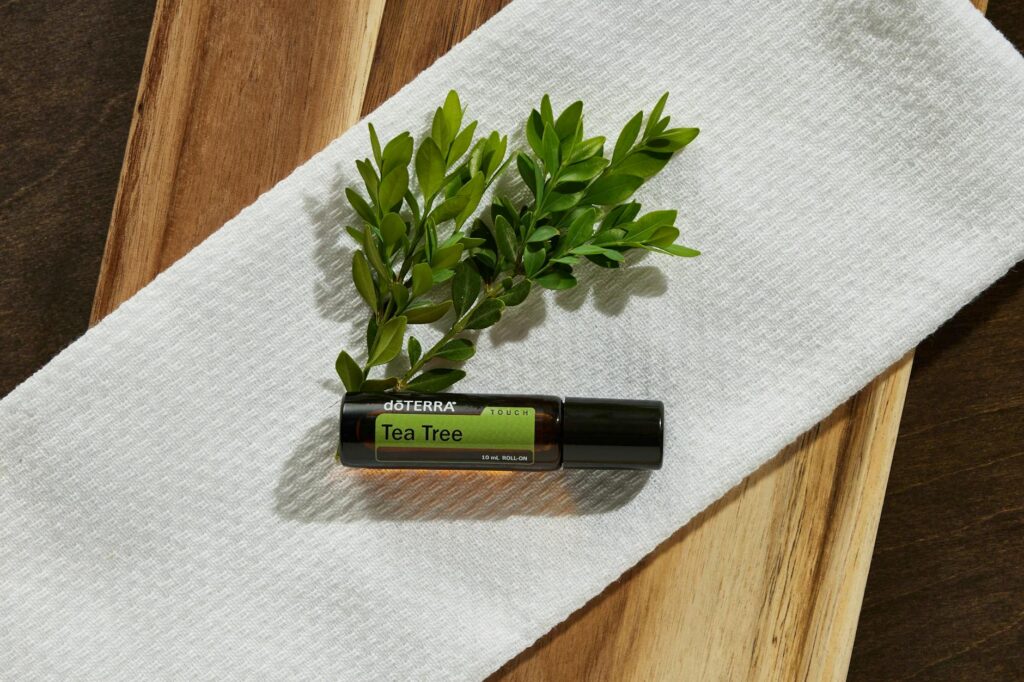
Complete Guide to Tea Tree Oil Part 5
Introduction
Tea tree oil, derived from the leaves of the Melaleuca alternifolia plant, has been utilized for centuries for its diverse applications and remarkable properties. This essential oil has garnered a significant place in both traditional and modern practices, particularly in the fields of skincare, household cleaning, and aromatherapy. This guide aims to provide comprehensive insights into tea tree oil, including its benefits, common uses, applications in aromatherapy, safety considerations, storage, and frequently asked questions.
What Is Tea Tree Oil?
Tea tree oil is an essential oil obtained through steam distillation of the leaves of the Melaleuca alternifolia tree, native to Australia. The oil is characterized by its pale yellow to clear color and a fresh, medicinal aroma. The indigenous Australian Aboriginal people have long recognized the value of tea tree oil, using it for its antiseptic properties by crushing the leaves and applying them to cuts and infections.
Rich in various compounds, tea tree oil is known for its high concentration of terpenes, particularly terpinene-4-ol, which is responsible for many of its beneficial qualities. This oil is commonly categorized as a “narrow-leaved” tea tree oil, as opposed to the “broad-leaved” varieties that yield oils with different chemical compositions and properties.
Key Benefits and Properties
Tea tree oil is celebrated for its numerous benefits, which can be attributed to its unique chemical composition. Some of the notable properties include:
- Antimicrobial: Tea tree oil has demonstrated antimicrobial activity against a range of bacteria, viruses, and fungi, making it a popular choice for topical applications.
- Anti-inflammatory: The oil may help to reduce inflammation, which can be beneficial in alleviating skin irritations and conditions.
- Antiseptic: Its antiseptic properties make it effective in cleansing and disinfecting, which is why it is often used in skincare and personal hygiene products.
- Expectorant: Tea tree oil may support respiratory function, helping to clear the airways when inhaled.
- Dilution: Always dilute tea tree oil with a carrier oil before applying it to the skin. A common dilution ratio is 1-2 drops of tea tree oil per teaspoon of carrier oil.
- Patch Test: Conduct a patch test on a small area of skin to check for allergic reactions or sensitivities before using it more widely.
- Pregnancy and Nursing: Pregnant or nursing individuals should consult a healthcare provider before using tea tree oil.
- Keep Out of Reach of Children: Store tea tree oil in a safe place, away from children, as ingestion can be harmful.
- Avoid Eye Contact: Tea tree oil should not come into contact with the eyes or mucous membranes. If contact occurs, rinse thoroughly with water.
- Cool, Dark Place: Store tea tree oil in a cool, dark area, away from direct sunlight and heat sources. A dark glass bottle is ideal for preserving its properties.
- Seal Tightly: Ensure the bottle is tightly sealed when not in use to prevent oxidation and evaporation.
- Shelf Life: Typically, tea tree oil has a shelf life of about 1 to 2 years when stored correctly. However, always check for any changes in color, scent, or consistency before use.
While the benefits of tea tree oil are widely discussed, it is essential to approach its use with an understanding of its properties and a recognition of individual sensitivities.
Common Uses
Tea tree oil is versatile and can be used in a variety of applications across different domains:
Skincare
1. Acne Treatment: Due to its antibacterial properties, tea tree oil is often incorporated into products aimed at treating acne.
2. Dandruff Control: It is used in shampoos and conditioners to help alleviate dandruff and promote a healthier scalp.
3. Wound Care: Tea tree oil can be diluted and applied to minor cuts and abrasions to help prevent infection.
Household Cleaning
1. Disinfectant: When mixed with water, tea tree oil can serve as a natural disinfectant for surfaces, eliminating germs and bacteria.
2. Odor Neutralizer: Its fresh scent can help mask unwanted odors in the home.
Hair Care
1. Lice Treatment: Tea tree oil is often included in formulations aimed at treating head lice, thanks to its insecticidal properties.
2. Hair Growth: Some believe that it can stimulate hair growth by improving scalp health.
Aromatherapy Applications
In aromatherapy, tea tree oil is valued for its invigorating scent and therapeutic properties. It can be diffused, inhaled, or blended with carrier oils for topical application. Here are some common approaches:
Diffusion
Tea tree oil can be used in a diffuser to purify the air and create an uplifting atmosphere. When diffused, it may promote a sense of clarity and focus, making it ideal for study or work environments.
Inhalation
Inhaling the aroma directly from the bottle or a cotton ball can provide immediate benefits, especially during times of respiratory discomfort.
Topical Application
When combined with a carrier oil, tea tree oil can be applied to the skin for localized benefits. It is essential to conduct a patch test before applying it more broadly to ensure no adverse reactions occur.
Safety Considerations
While tea tree oil is generally considered safe for most uses, specific safety guidelines should be adhered to:
Storage and Shelf Life
Proper storage of tea tree oil is crucial to maintaining its potency and effectiveness. Here are some guidelines:
Frequently Asked Questions
1. Can tea tree oil be used undiluted?
While some individuals may use tea tree oil undiluted for targeted applications, it is generally recommended to dilute it with a carrier oil to minimize the risk of skin irritation.
2. Is tea tree oil safe for children?
Tea tree oil should be used cautiously with children. It is advisable to consult with a healthcare provider before using it on children, particularly for topical applications.
3. Can tea tree oil help with nail fungus?
Tea tree oil is often suggested for fungal infections, including nail fungus. However, results may vary, and consistent application may be required for effectiveness.
4. How does tea tree oil compare to other essential oils?
Tea tree oil is unique in its antimicrobial and antiseptic properties. While other essential oils, such as lavender or eucalyptus, have their own benefits, tea tree oil is particularly favored for skin care and household cleaning.
5. Can I blend tea tree oil with other essential oils?
Yes, tea tree oil can be blended with other essential oils to create synergistic effects. Common pairings include lavender for relaxation and peppermint for an invigorating aroma.
Conclusion
Tea tree oil is a versatile and powerful essential oil that offers a wide range of benefits and applications. Its rich history and continued popularity underscore its significance in both traditional and modern practices. By understanding its properties, uses, and safety considerations, individuals can effectively incorporate tea tree oil into their daily routines, whether for personal care, household cleaning, or aromatherapy.