
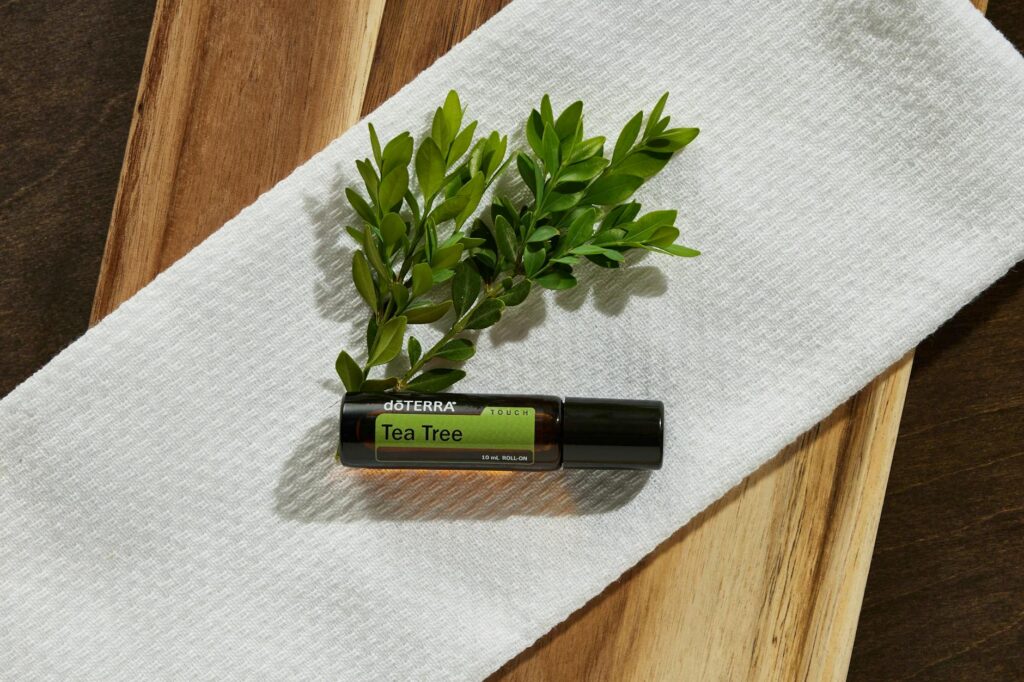
Complete Guide to Tea Tree Oil Part 6
Introduction
Tea tree oil, derived from the leaves of the Melaleuca alternifolia plant, has gained significant popularity in the realm of natural remedies and holistic health practices. Known for its multifaceted applications, this essential oil is often celebrated for its cleansing properties and versatile uses across various domains, including skincare, household cleaning, and aromatherapy. This guide aims to provide a comprehensive overview of tea tree oil, exploring its characteristics, benefits, and practical applications, while also addressing important safety considerations.
What Is Tea Tree Oil?
Tea tree oil is an essential oil that originates from the leaves of the Melaleuca alternifolia, a tree native to Australia. The oil is extracted through steam distillation, a method that preserves its potent properties. With a distinct, medicinal aroma, tea tree oil is characterized by its pale yellow to clear color and thin consistency.
Historically, Indigenous Australians have utilized tea tree leaves for their antimicrobial properties, utilizing them in poultices and infusions for centuries. Today, tea tree oil remains a staple in various sectors, including cosmetics, pharmaceuticals, and natural products, thanks to its rich composition of bioactive compounds, primarily terpinen-4-ol, which contributes to its therapeutic properties.
Key Benefits and Properties
Tea tree oil is renowned for its diverse array of beneficial properties. Some of the key benefits include:
- Antimicrobial: Tea tree oil exhibits strong antimicrobial activity, making it effective against bacteria, fungi, and viruses. This property is attributed to its high concentration of terpinen-4-ol, which enhances the immune response and helps combat infections.
- Anti-inflammatory: The oil possesses anti-inflammatory qualities that can soothe irritated skin, reducing redness and swelling. This makes it particularly useful for individuals with acne or other inflammatory skin conditions.
- Antiseptic: With its natural antiseptic properties, tea tree oil can be applied to minor cuts and wounds to help prevent infection and promote healing.
- Insect Repellent: The strong scent of tea tree oil is known to repel insects, making it a popular choice for natural insect repellent formulations.
- Decongestant: The oil has been utilized in aromatherapy to relieve respiratory congestion and promote clearer breathing.
- Skincare: Tea tree oil is frequently incorporated into skincare products due to its ability to address acne and blemishes. It can be diluted with a carrier oil and applied directly to affected areas or included in formulations like cleansers, toners, and moisturizers.
- Haircare: The oil can help combat dandruff and promote a healthy scalp. It is often added to shampoos or used in scalp treatments.
- Household Cleaner: Thanks to its antimicrobial properties, tea tree oil can be a powerful ingredient in homemade cleaning solutions, effectively disinfecting surfaces and purifying the air.
- Oral Care: Some formulations include tea tree oil as an ingredient due to its antibacterial properties, which can help support oral hygiene.
- Insect Repellent: As a natural alternative to chemical repellents, tea tree oil can be blended with other essential oils or carrier oils to create an insect-repelling spray.
- Diffusion: When diffused, tea tree oil can help purify the air and create a refreshing environment. It can be blended with other essential oils like eucalyptus or lemon for a more uplifting experience.
- Inhalation: Inhaling the aroma of tea tree oil can provide a sense of clarity and focus, making it beneficial during meditation or mindfulness practices.
- Topical Application: When diluted with a carrier oil, tea tree oil can be applied to pulse points for its calming and grounding effects.
- Bath Additive: Adding tea tree oil to a warm bath can create a relaxing atmosphere while benefiting the skin and respiratory system.
- Skin Sensitivity: It is advisable to perform a patch test before applying tea tree oil to larger areas of the skin. Some individuals may experience irritation or an allergic reaction.
- Dilution: Tea tree oil should be diluted with a carrier oil, such as jojoba or coconut oil, before applying it to the skin. A common dilution ratio is 1-2 drops of tea tree oil per teaspoon of carrier oil.
- Ingestion: Tea tree oil should not be ingested, as it can be toxic when consumed orally.
- Pregnancy and Nursing: Pregnant or nursing individuals should consult a healthcare professional before using tea tree oil, as limited studies exist regarding its safety during these periods.
- Children: Caution should be exercised when using tea tree oil on children. It is advisable to consult a pediatrician before use.
- Storage: Keep tea tree oil in a cool, dark place, away from direct sunlight. It is best stored in a glass container with a tight-fitting lid to minimize exposure to air and light.
- Shelf Life: When stored properly, tea tree oil has a shelf life of approximately 1 to 2 years. Signs of degradation may include a change in color, consistency, or aroma. If any changes are noted, it is advisable to dispose of the oil.
Common Uses
Tea tree oil is versatile and can be utilized in various forms, including topical applications, diffusions, and household products. Here are some common uses:
Aromatherapy Applications
In the realm of aromatherapy, tea tree oil is celebrated for its invigorating and purifying scent. Its applications in this field include:
Safety Considerations
While tea tree oil is generally considered safe for topical use when appropriately diluted, there are several safety considerations to keep in mind:
Storage and Shelf Life
Proper storage of tea tree oil is essential to maintain its efficacy and safety. Here are some guidelines:
Frequently Asked Questions
1. Can tea tree oil be used for all skin types?
Tea tree oil is generally suitable for oily and acne-prone skin due to its antimicrobial properties. However, individuals with sensitive or dry skin should exercise caution and consider dilution to prevent irritation.
2. Is tea tree oil safe for pets?
Tea tree oil is toxic to cats and dogs when ingested or applied in high concentrations. Consult a veterinarian before using tea tree oil around pets.
3. Can tea tree oil help with dandruff?
Yes, tea tree oil can be effective in addressing dandruff. It can be added to shampoos or used in scalp treatments to promote a healthy scalp.
4. How do I know if I am allergic to tea tree oil?
Perform a patch test by applying a diluted drop of tea tree oil to a small area of skin and monitoring for any adverse reactions, such as redness or itching, over 24 hours.
5. Can tea tree oil be used in cooking?
No, tea tree oil is not intended for culinary use and should not be ingested, as it can be toxic when consumed.
Conclusion
Tea tree oil is a remarkable essential oil with a wide range of applications, from skincare to aromatherapy. Its unique properties make it a valuable addition to natural health and wellness routines. However, it is essential to practice caution and adhere to safety guidelines to ensure a safe and effective experience. As with any natural product, individual responses may vary, and it is advisable to consult with a qualified professional when in doubt.