
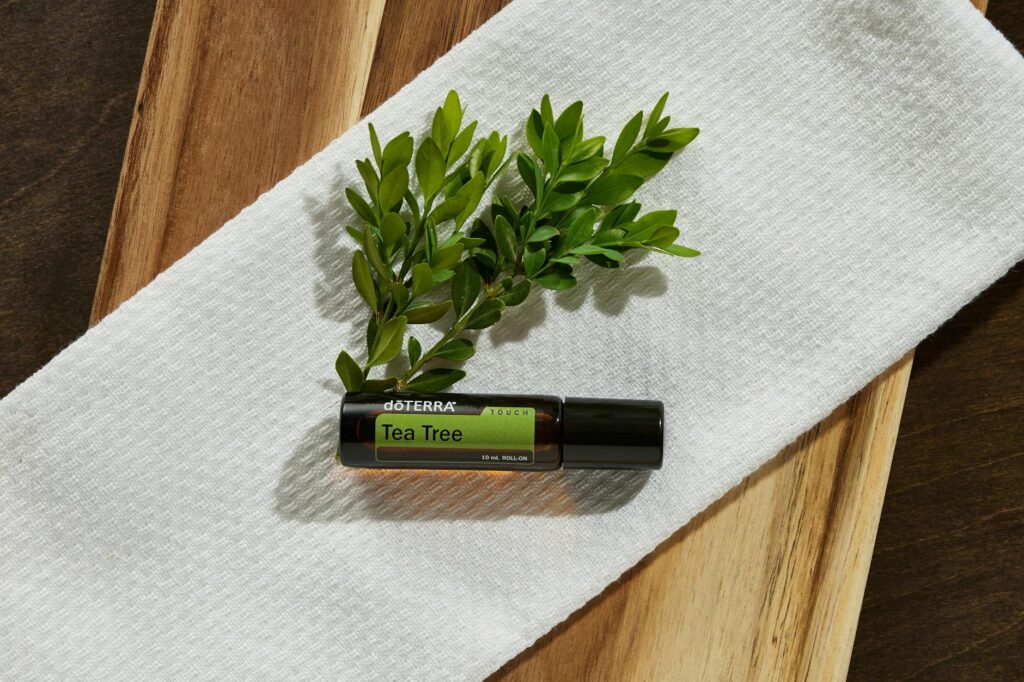
Complete Guide to Tea Tree Oil Part 7
Introduction
Tea tree oil, derived from the leaves of the Melaleuca alternifolia tree, has garnered significant attention for its diverse applications in personal care, household cleaning, and aromatherapy. This guide aims to provide a comprehensive understanding of tea tree oil, exploring its benefits, uses, and safety considerations. Whether you are a seasoned user or a newcomer to this essential oil, this resource will enhance your knowledge and application of tea tree oil in various contexts.
What Is Tea Tree Oil?
Tea tree oil is an essential oil obtained through the steam distillation of the leaves of the Melaleuca alternifolia, a small tree native to Australia. The oil is characterized by its pale yellow to clear color and a fresh, camphoraceous scent. Historically, the Indigenous Australians used the leaves of this tree for medicinal purposes, and its popularity has since spread worldwide.
The composition of tea tree oil includes numerous compounds, with the most notable being terpinen-4-ol, which is believed to be responsible for many of its beneficial properties. Other constituents include alpha-terpineol, gamma-terpinene, and 1,8-cineole, each contributing to the oil’s unique profile and effects.
Key Benefits and Properties
Tea tree oil is renowned for its multifaceted properties, which can be categorized as follows:
Antimicrobial
One of the most celebrated attributes of tea tree oil is its antimicrobial activity. Research has shown that it possesses antibacterial, antifungal, and antiviral properties, making it a popular choice for combating various pathogens.
Anti-inflammatory
Tea tree oil may help reduce inflammation, which can be beneficial for conditions such as acne and skin irritations. Its soothing properties can support overall skin health and comfort.
Antiseptic
The oil’s antiseptic qualities make it useful in wound care, helping to prevent infection and promote healing. It is commonly used in natural first aid remedies.
Decongestant
In aromatherapy, tea tree oil is often employed for its decongestant properties. Its fresh scent may help clear nasal passages and ease breathing, particularly during respiratory ailments.
Common Uses
Tea tree oil’s versatility allows for a wide range of applications, including:
Skin Care
Tea tree oil is often incorporated into skincare products due to its antibacterial and anti-inflammatory properties. It can be found in formulations for acne treatment, dandruff control, and general skin cleansing.
Hair Care
In hair care, tea tree oil is valued for its ability to address dandruff and scalp irritation. It is frequently included in shampoos and conditioners to promote a healthier scalp.
Household Cleaning
Due to its antimicrobial properties, tea tree oil serves as a natural disinfectant in household cleaning products. It can be blended with water and vinegar to create an effective surface cleaner.
Insect Repellent
Tea tree oil is sometimes used as a natural insect repellent. Its strong aroma can deter various pests, making it a suitable addition to homemade repellents.
Aromatherapy Applications
In aromatherapy, tea tree oil is often utilized for its invigorating scent and therapeutic benefits. When diffused, it may promote a sense of clarity and well-being. Here are some common methods of application:
Diffusion
Adding a few drops of tea tree oil to a diffuser can help purify the air and create a refreshing environment. This practice may assist in alleviating symptoms of seasonal allergies and respiratory discomfort.
Inhalation
Direct inhalation of tea tree oil can provide immediate benefits, particularly in clearing congestion. A few drops can be added to a bowl of hot water for steam inhalation or placed on a tissue for on-the-go relief.
Topical Application
When diluted properly, tea tree oil can be applied topically to specific areas of concern, such as blemishes or irritated skin. It is crucial to dilute the oil with a carrier oil, such as jojoba or coconut oil, to avoid skin irritation.
Safety Considerations
While tea tree oil is generally regarded as safe for most individuals when used appropriately, there are several important safety considerations to keep in mind:
Skin Sensitivity
Tea tree oil can cause skin irritation or allergic reactions in some individuals. It is advisable to conduct a patch test before extensive use. Apply a diluted version of the oil to a small area of skin and observe for any adverse reactions over 24 hours.
Avoiding Ingestion
Tea tree oil should never be ingested. It is toxic if swallowed and can lead to serious health complications. Always keep it out of reach of children and pets.
Pregnant and Nursing Women
Pregnant and nursing women should consult with a healthcare professional before using tea tree oil, as there is limited research on its effects during these periods.
Interaction with Medications
Tea tree oil may interact with certain medications. Individuals taking medication or with underlying health conditions should consult a healthcare professional before use.
Storage and Shelf Life
Proper storage of tea tree oil is essential for maintaining its quality and potency. Here are some tips:
Storage Conditions
Tea tree oil should be stored in a cool, dark place, away from direct sunlight and heat sources. A cabinet or a drawer is ideal. Ensure that the bottle is tightly sealed to prevent oxidation.
Shelf Life
When stored correctly, tea tree oil typically has a shelf life of 1-2 years. However, it is always advisable to check for changes in color, scent, or consistency before use, as these may indicate degradation.
Frequently Asked Questions
Can tea tree oil be used for all skin types?
Tea tree oil can be used on most skin types, but those with sensitive skin should exercise caution and consider dilution with a carrier oil. It is advisable to perform a patch test to ensure compatibility.
Is tea tree oil effective for acne?
Many individuals find tea tree oil beneficial for acne due to its antibacterial and anti-inflammatory properties. It can help reduce the severity and frequency of breakouts when used appropriately.
Can tea tree oil be used in a bath?
Yes, tea tree oil can be added to bathwater for a refreshing and soothing experience. However, it should always be diluted in a carrier oil or a bath product to avoid skin irritation.
How can I use tea tree oil for hair?
Tea tree oil can be incorporated into shampoos or diluted with a carrier oil and massaged into the scalp to help alleviate dandruff and promote a healthy scalp environment.
Is tea tree oil safe for pets?
Tea tree oil can be toxic to pets, especially cats and dogs, if ingested or used topically without proper dilution. Always consult with a veterinarian before using tea tree oil around pets.
Conclusion
Tea tree oil is a remarkable essential oil with a vast array of benefits and applications. From skincare to household cleaning, its versatility makes it a valuable addition to various personal care and wellness routines. However, as with any essential oil, responsible usage and awareness of safety considerations are paramount. By understanding the properties, uses, and precautions associated with tea tree oil, individuals can harness its potential effectively and safely.