
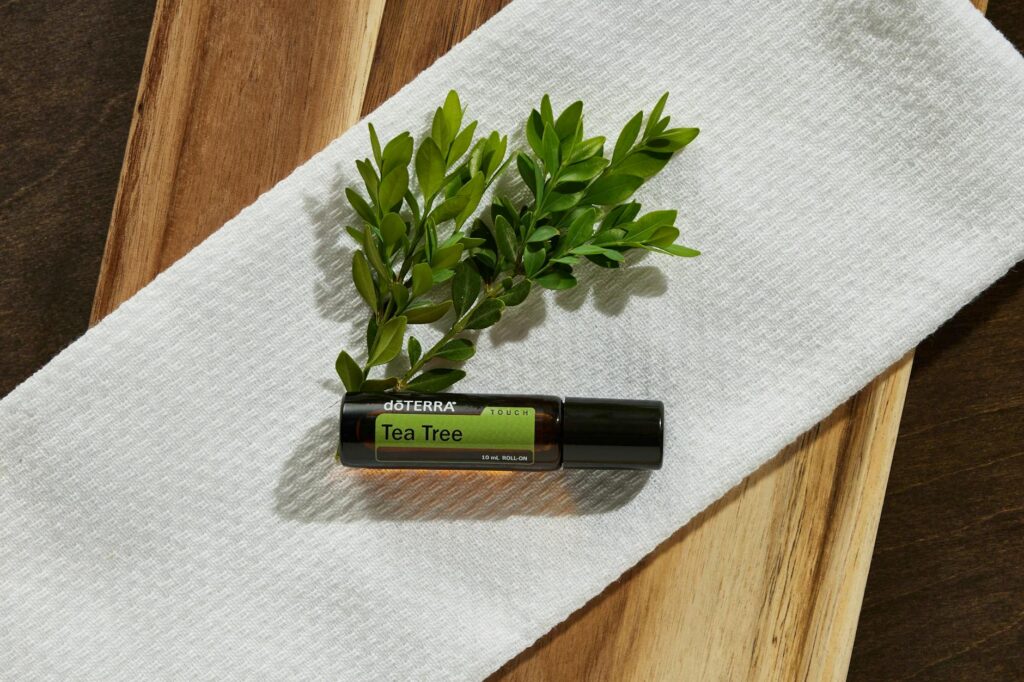
Complete Guide to Tea Tree Oil
Introduction
Tea tree oil, derived from the leaves of the Melaleuca alternifolia tree, has gained significant popularity as a natural remedy and essential oil in recent years. Its unique chemical composition and versatile properties make it a valuable addition to both personal care products and holistic practices. This guide aims to provide a comprehensive overview of tea tree oil, including its origins, benefits, common uses, and safety considerations.
What Is Tea Tree Oil?
Tea tree oil is an essential oil extracted through steam distillation from the leaves of the Melaleuca alternifolia tree, which is native to Australia. The indigenous Bundjalung people used the leaves of the tree for centuries, applying them as a poultice to treat a variety of ailments. The oil contains a complex array of compounds, with terpinen-4-ol being one of the most prominent, contributing to its antimicrobial and anti-inflammatory properties.
Key Benefits and Properties
Tea tree oil is renowned for its diverse therapeutic benefits, which can be attributed to its complex chemical composition. Some of the key properties include:
- Antimicrobial: Tea tree oil exhibits broad-spectrum antimicrobial activity, effective against bacteria, viruses, and fungi. This makes it a popular choice for skin care formulations aimed at preventing infections.
- Anti-inflammatory: The oil can help reduce inflammation, making it beneficial for conditions like acne, eczema, and psoriasis.
- Antiseptic: With its antiseptic properties, tea tree oil is often used in wound care to prevent infection and promote healing.
- Decongestant: When used in aromatherapy, tea tree oil can help relieve respiratory issues by acting as a natural decongestant.
- Skin Care: Due to its antimicrobial and anti-inflammatory properties, tea tree oil is frequently included in acne treatments, moisturizers, and cleansers. It can help reduce the appearance of blemishes and soothe irritated skin.
- Hair Care: Tea tree oil is often added to shampoos and conditioners to treat dandruff and promote a healthy scalp. Its antifungal properties can combat the yeast-like fungus known as Malassezia, which is commonly associated with dandruff.
- Household Cleaner: As a natural disinfectant, tea tree oil can be used to create eco-friendly cleaning solutions. It is effective against bacteria and mold, making it suitable for kitchen and bathroom cleaning.
- Oral Health: In diluted form, tea tree oil can be used in mouthwashes and toothpaste for its antibacterial properties, which may help maintain oral hygiene.
- Diffusion: Adding tea tree oil to a diffuser can help purify the air, creating a clean and uplifting environment. This is particularly beneficial in spaces where respiratory issues are prevalent.
- Inhalation: Inhaling the aroma of tea tree oil can provide relief from respiratory congestion. It can be added to a bowl of hot water for steam inhalation, allowing the vapors to clear the sinuses.
- Topical Application: When diluted with a carrier oil, tea tree oil can be applied to pulse points or problematic areas on the skin. This method can enhance its therapeutic benefits while ensuring safe use.
- Dilution: Always dilute tea tree oil with a carrier oil, such as coconut or jojoba oil, before applying it to the skin. A typical dilution ratio is 1-2 drops of tea tree oil per teaspoon of carrier oil.
- Patch Test: Conduct a patch test before using tea tree oil on larger areas of skin. Apply a small amount of diluted oil to a discreet area and observe for any adverse reactions.
- Avoid Ingestion: Tea tree oil is for topical and aromatic use only and should not be ingested. Ingestion can lead to toxicity and adverse reactions.
- Pregnancy and Children: Consult a healthcare professional before using tea tree oil during pregnancy or on children under two years of age, as their skin may be more sensitive.
- Keep It Cool: Store tea tree oil in a cool, dark place away from direct sunlight and heat, which can degrade the oil over time.
- Seal Tightly: Ensure that the bottle is tightly sealed to prevent oxidation, which can affect the oil’s potency.
- Shelf Life: When stored properly, tea tree oil typically has a shelf life of 1 to 2 years. However, always check for any signs of degradation, such as changes in color or smell.
Common Uses
Tea tree oil has found a multitude of applications in both personal care and household products. Here are some of the most common uses:
Aromatherapy Applications
Tea tree oil is a common ingredient in aromatherapy practices, valued for its refreshing and invigorating scent. It can be used in various ways:
Safety Considerations
While tea tree oil is generally regarded as safe, it is essential to consider certain precautions:
Storage and Shelf Life
Proper storage is crucial to maintaining the quality and efficacy of tea tree oil. Here are some guidelines:
Frequently Asked Questions
1. Can tea tree oil be used for all skin types?
Tea tree oil is generally safe for most skin types, but individuals with sensitive or dry skin should use it with caution. Always dilute it and conduct a patch test.
2. Is tea tree oil safe for pets?
Tea tree oil can be toxic to pets, particularly cats and dogs, if ingested or applied inappropriately. Consult with a veterinarian before using tea tree oil around pets.
3. What is the best way to use tea tree oil for acne?
Dilute tea tree oil with a carrier oil and apply it to the affected areas using a cotton swab. It is advisable to start with a small amount to gauge the skin’s reaction.
4. Can I use tea tree oil in my bath?
Yes, you can add a few drops of tea tree oil to your bathwater, but be sure to mix it with a carrier oil or an emulsifier to prevent it from floating on the surface.
5. How do I choose high-quality tea tree oil?
Look for 100% pure and organic tea tree oil from reputable sources. Check for third-party testing and certifications to ensure quality and purity.
Conclusion
Tea tree oil is a versatile and powerful essential oil with a rich history of use and a range of benefits. From skin care to household cleaning, its antimicrobial and anti-inflammatory properties make it a valuable addition to various applications. However, it is essential to use it safely and responsibly, adhering to guidelines for dilution and patch testing. With proper care and understanding, tea tree oil can be an asset in any holistic health or personal care regimen.