
Complete Guide to Thyme Oil Part 4
Introduction
Thyme oil, derived from the leaves and flowering tops of the Thymus vulgaris plant, has been celebrated for centuries for its aromatic qualities and extensive range of uses. Part of the Lamiaceae family, thyme is a perennial herb native to southern Europe and is commonly known for its culinary applications. However, its essential oil possesses a myriad of properties that extend far beyond the kitchen. This guide aims to provide a comprehensive overview of thyme oil, including its benefits, common uses, applications in aromatherapy, safety considerations, and storage recommendations.
What Is Thyme Oil?
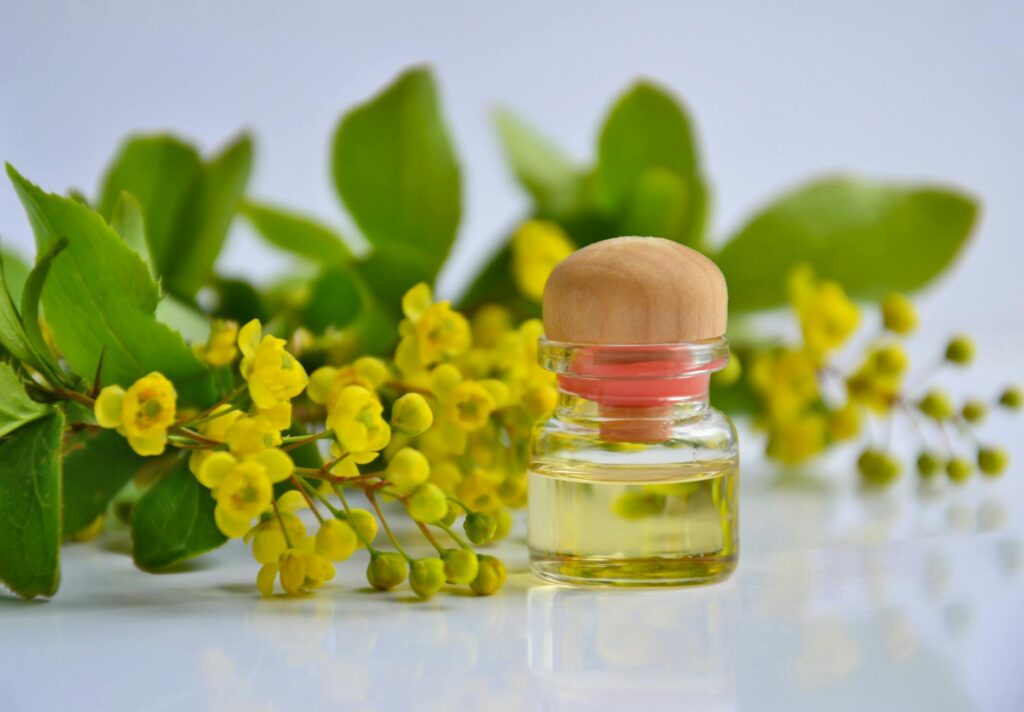
Thyme oil is an essential oil extracted through steam distillation from the fresh or dried leaves and flowering tops of the thyme plant. The oil is typically clear to pale yellow in color and has a warm, herbaceous aroma with earthy undertones. The chemical composition of thyme oil varies depending on the specific variety of thyme used, growing conditions, and extraction methods, but it generally contains a rich blend of compounds such as thymol, carvacrol, linalool, and borneol.
Types of Thyme Oil
There are several varieties of thyme oil, each with unique characteristics:
- Thymus vulgaris (Common Thyme): The most widely used variety, known for its culinary and therapeutic applications.
- Thymus serpyllum (Wild Thyme): Often used in traditional medicine and has a stronger aroma.
- Thymus zygis: Typically found in Mediterranean regions, known for its high thymol content.
- Store thyme oil in a cool, dark place away from direct sunlight to prevent degradation.
- Use dark glass containers to protect the oil from light exposure.
Understanding the differences among these varieties is essential for selecting the right thyme oil for specific applications.
Key Benefits and Properties
Thyme oil is celebrated for its diverse range of benefits and properties, which can be broadly categorized into therapeutic, antibacterial, antifungal, and antioxidant effects.
Antimicrobial Properties
Thyme oil is known for its potent antimicrobial properties, making it effective against a variety of bacteria and fungi. Thymol and carvacrol are the primary compounds believed to contribute to these effects, and studies have demonstrated thyme oil’s efficacy in inhibiting the growth of pathogens such as Staphylococcus aureus and Candida albicans.
Respiratory Support
The oil’s warm and spicy aroma can be uplifting and is often associated with respiratory health. Many people use thyme oil in steam inhalation or diffusion to promote clear airways and support overall respiratory function.
Antioxidant Effects
Thyme oil is rich in antioxidants, which can help combat oxidative stress and protect cells from damage caused by free radicals. This property is vital for overall health and wellness.
Emotional Well-being
The aromatic profile of thyme oil has the potential to stimulate the senses and enhance emotional well-being. Its warm and earthy scent may help alleviate feelings of stress and anxiety, contributing to a sense of calm and relaxation.
Common Uses
Thyme oil is versatile and can be used in various ways, including:
Culinary Uses
While thyme oil is primarily used in aromatherapy and natural wellness, it can also be used sparingly in cooking to add flavor to dishes. However, it is essential to use food-grade thyme oil if consumed and to do so with caution due to its potency.
Household Cleaner
Thanks to its antibacterial properties, thyme oil is a popular ingredient in natural cleaning products. It can be added to homemade cleaners to enhance their effectiveness against germs and bacteria.
Skin Care
Thyme oil is sometimes incorporated into skincare formulations for its potential antibacterial and antifungal properties. However, it is essential to dilute the oil before applying it to the skin to avoid irritation.
Hair Care
Thyme oil is also believed to promote healthy hair and scalp. It can be added to shampoos or diluted with a carrier oil for scalp massages to promote circulation.
Aromatherapy Applications
In the realm of aromatherapy, thyme oil is valued for its stimulating and grounding effects. Here are some ways to incorporate thyme oil into your aromatherapy practice:
Diffusion
Using a diffuser, thyme oil can be vaporized into the air, filling the space with its warm, earthy aroma. This method can help create a calming atmosphere, making it suitable for meditation or relaxation sessions.
Inhalation
Direct inhalation of thyme oil can be beneficial for respiratory support. Placing a few drops of thyme oil on a tissue or cotton ball and inhaling deeply can provide an invigorating experience.
Topical Application
When diluted with a carrier oil, thyme oil can be applied to specific areas of the body. This method is particularly useful for targeted support and can enhance relaxation during massages.
Bathing
Adding a few drops of thyme oil to a warm bath can create a soothing and aromatic experience. The steam from the bath can help release the oil’s properties, promoting relaxation and comfort.
Safety Considerations
While thyme oil is generally considered safe for use in appropriate amounts, it is essential to keep the following safety considerations in mind:
Skin Sensitivity
Thyme oil is potent and can cause skin irritation if applied undiluted. Always dilute thyme oil with a suitable carrier oil, such as jojoba or sweet almond oil, before topical application.
Allergies
Individuals with known allergies to plants in the Lamiaceae family, such as mint or basil, should exercise caution when using thyme oil. Conduct a patch test before widespread application.
Pregnancy and Nursing
Pregnant or nursing individuals should consult with a healthcare provider before using thyme oil, as certain essential oils may not be suitable during these periods.
Interactions with Medications
Thyme oil may interact with specific medications, particularly those affecting the liver or blood clotting. Consult with a healthcare professional if you are on medication before using thyme oil.
Storage and Shelf Life
To maintain the quality and potency of thyme oil, proper storage is crucial:
Storage Conditions
Shelf Life
When stored correctly, thyme oil typically has a shelf life of 2 to 3 years. Regularly check for any changes in aroma, color, or consistency, as these can indicate that the oil has gone bad.
Frequently Asked Questions
1. Can thyme oil be ingested?
While thyme oil can be used in cooking, it should only be consumed in very small amounts and if it is food-grade. Always consult a professional before ingesting any essential oil.
2. Is thyme oil safe for children?
Thyme oil may not be suitable for children without proper dilution and guidance from a qualified healthcare provider. Always consult a healthcare professional before using essential oils with children.
3. How can I use thyme oil for cleaning my home?
Thyme oil can be added to homemade cleaning solutions or used in a diffuser to purify the air. A simple recipe includes mixing a few drops of thyme oil with water and vinegar for an effective natural cleaner.
4. What is the best way to use thyme oil in aromatherapy?
Thyme oil can be used in various ways in aromatherapy, including diffusion, inhalation, topical application (when diluted), and incorporation into baths. Experiment to find the method that works best for you.
5. Can thyme oil help with stress and anxiety?
The warm and earthy aroma of thyme oil may promote relaxation and emotional well-being. However, individual responses can vary, and it is essential to find the right approach that suits your needs.
—
In conclusion, thyme oil is a remarkable essential oil with diverse applications and benefits. From its rich history in culinary practices to its therapeutic properties in aromatherapy, thyme oil continues to be a valuable resource for those seeking natural wellness solutions. As with any essential oil, informed use and proper safety precautions are paramount to ensure a positive experience.