
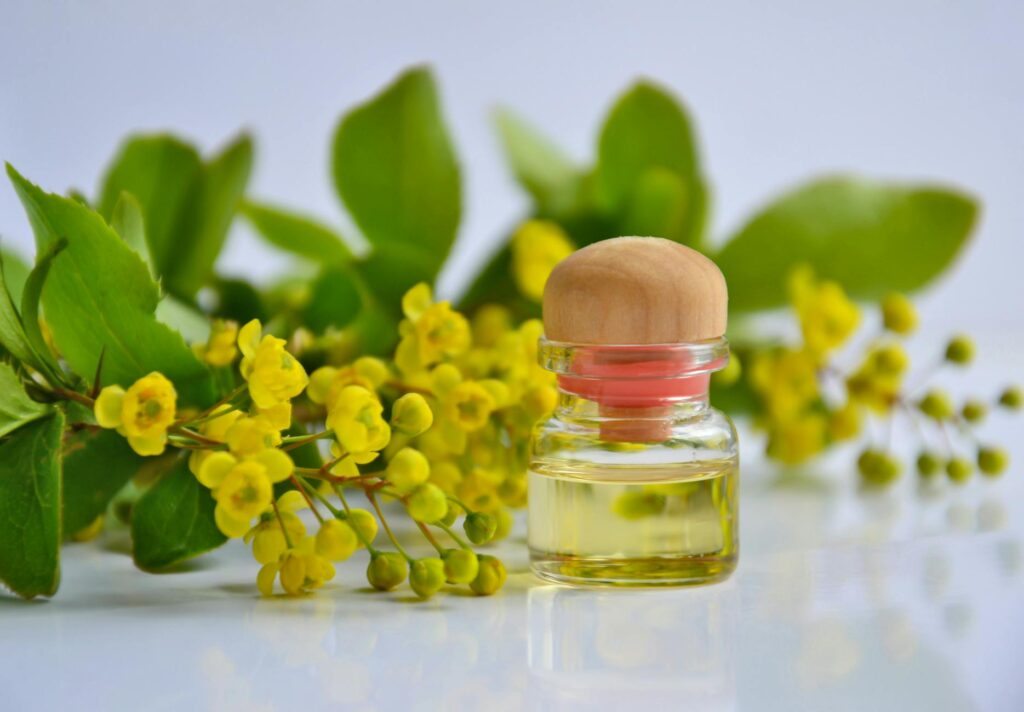
Complete Guide to Thyme Oil Safety
Introduction
Thyme oil, derived from the leaves and flowers of the Thymus vulgaris plant, has been cherished for centuries for its aromatic and therapeutic properties. Its unique chemical composition offers a range of benefits, making it a popular choice in both culinary and medicinal applications. However, with the increasing interest in essential oils, it is crucial to understand thyme oil safety to maximize its benefits while minimizing potential risks. This guide aims to provide a comprehensive overview of thyme oil safety, ensuring that users can enjoy its properties responsibly.
What Is Thyme Oil Safety?
Thyme oil safety encompasses the practices, precautions, and knowledge necessary to use thyme essential oil effectively and without adverse effects. This includes understanding the oil’s chemical constituents, appropriate dosage, potential interactions, and contraindications. By being informed about thyme oil safety, individuals can harness its benefits while ensuring their well-being.
Key Benefits and Properties
Thyme oil is renowned for its diverse range of properties, which can be largely attributed to its rich chemical composition. Key components include:
- Thymol: Known for its antimicrobial and antifungal properties, thymol is often cited as one of thyme oil’s primary active constituents.
- Carvacrol: This compound is recognized for its antioxidant and anti-inflammatory effects.
- Linalool: A naturally occurring terpene that contributes to the oil’s calming and relaxing qualities.
- Antimicrobial Properties: Thyme oil is often used for its ability to combat various bacteria, viruses, and fungi.
- Respiratory Support: Many users turn to thyme oil for its potential to support respiratory health, particularly in cases of colds or congestion.
- Digestive Aid: Thyme oil may assist in digestion and help alleviate gastrointestinal discomfort.
- Mood Enhancement: Its aromatic profile can promote relaxation and reduce stress, making it a popular choice in aromatherapy.
- Culinary Uses: Thyme oil can be used as a flavoring agent in cooking, adding a robust herbal note to dishes.
- Household Cleaner: Due to its antimicrobial properties, thyme oil is often incorporated into natural cleaning products.
- Personal Care Products: It is commonly found in shampoos, lotions, and soaps for its fragrance and potential skin benefits.
- Diffusion: Adding a few drops of thyme oil to a diffuser can help create an energizing atmosphere, ideal for stimulating focus and mental clarity.
- Massage: When diluted with a carrier oil, thyme oil can be applied during massage to relieve muscle tension and promote relaxation.
- Inhalation: Inhaling thyme oil directly from the bottle or using it in steam inhalation can provide respiratory support.
- Dilution: Always dilute thyme oil with a carrier oil (such as coconut, jojoba, or almond oil) before applying it to the skin. A typical dilution ratio is 2-3 drops of essential oil per teaspoon of carrier oil.
- Patch Test: Conduct a patch test by applying a small amount of diluted oil to a discreet area of skin. Wait 24 hours to check for any allergic reactions or irritation.
- Consult Professionals: While some sources advocate for the internal use of thyme oil, it is imperative to consult with a qualified healthcare professional before ingesting any essential oil.
- Quality Matters: Ensure that the thyme oil is of high quality and food-grade if considering internal use.
- Avoidance Recommended: Pregnant and nursing women should avoid using thyme oil due to insufficient research on its effects during these sensitive periods.
- Age Restrictions: Thyme oil is generally not recommended for children under the age of two. For older children, consult a healthcare provider regarding appropriate use.
- Pet Safety: Some essential oils, including thyme oil, can be harmful to pets, especially cats. Always consult a veterinarian before using essential oils around animals.
- Potential Interactions: Thyme oil may interact with certain medications, particularly those affecting hormone levels or blood clotting. Discuss any potential interactions with a healthcare professional before use.
- Container: Store thyme oil in a dark glass bottle to protect it from light, which can degrade the oil.
- Temperature: Keep the oil in a cool, dry place away from direct sunlight and heat sources. Ideal storage temperatures range from 60°F to 70°F (15°C to 21°C).
- Shelf Life: When stored properly, thyme oil typically lasts for about 1-3 years. However, always check for any changes in color, smell, or consistency before use.
Benefits of Thyme Oil
Common Uses
Thyme oil has a multitude of applications across various domains, including:
Aromatherapy Applications
In the realm of aromatherapy, thyme oil is valued for its uplifting and invigorating scent. It can be effectively used in various ways, such as:
Safety Considerations
While thyme oil offers numerous benefits, it is essential to approach its use with caution. Here are some key safety considerations:
Skin Sensitivity
Internal Use
Pregnancy and Nursing
Children and Pets
Drug Interactions
Storage and Shelf Life
Proper storage is crucial for maintaining the quality and efficacy of thyme oil. Here are some tips for optimal storage:
Frequently Asked Questions
1. Can I use thyme oil directly on my skin?
It is not recommended to apply thyme oil directly to the skin without dilution. Always mix it with a carrier oil before application.
2. Is thyme oil safe for children?
Thyme oil is generally not recommended for children under the age of two. For older children, consult a healthcare provider for guidance.
3. Can I ingest thyme oil?
Ingesting thyme oil should only be done under the guidance of a qualified healthcare professional. Not all essential oils are safe for internal use.
4. How do I know if my thyme oil is of good quality?
Look for 100% pure, therapeutic-grade thyme oil, preferably from a reputable brand. Check for third-party testing and certification for quality assurance.
5. What should I do if I experience a skin reaction?
If you experience irritation or an allergic reaction after using thyme oil, discontinue use immediately and consult a healthcare professional for advice.
6. Can thyme oil be used in cooking?
Yes, thyme oil can be used in culinary applications, but ensure it is food-grade and used in moderation to avoid overpowering flavors.
Conclusion
Thyme oil is a versatile and powerful essential oil with a wealth of benefits. However, understanding and practicing thyme oil safety is paramount to ensure a positive experience. By following proper usage guidelines, considering personal health factors, and storing the oil correctly, individuals can enjoy the aromatic and therapeutic properties of thyme oil with confidence. As with any essential oil, informed use is the key to unlocking its full potential while safeguarding your well-being.