
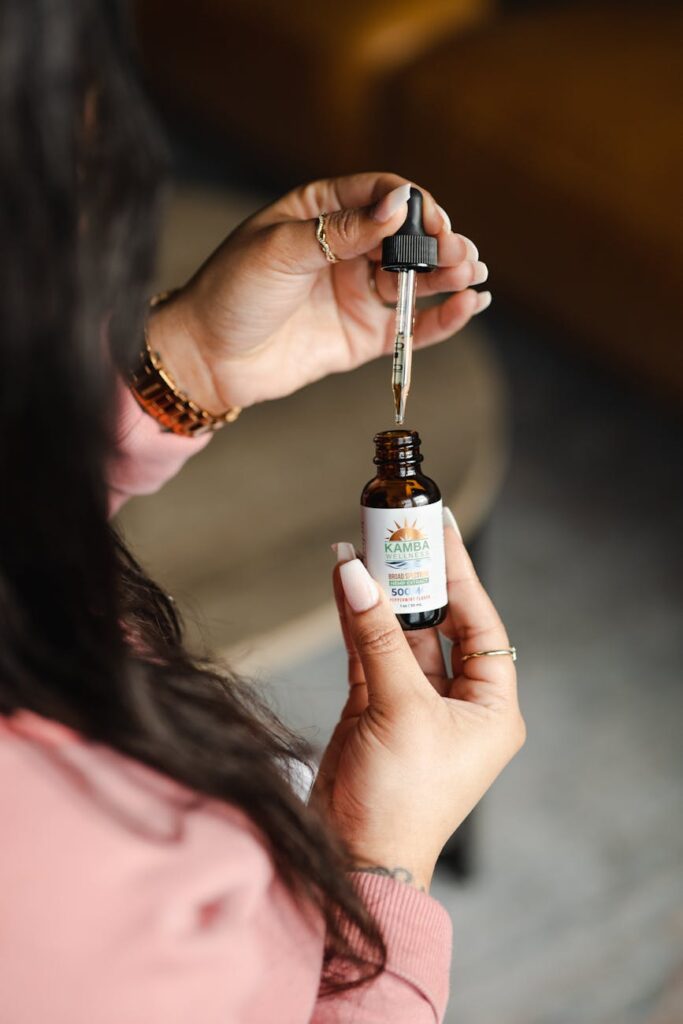
Complete Guide to Tinctures
Introduction
Tinctures are concentrated herbal extracts made by soaking plant materials in a solvent, typically alcohol, water, or vinegar. They offer an efficient way to harness the therapeutic properties of various herbs, making them a popular choice in herbalism and natural wellness practices. This guide aims to provide a comprehensive overview of tinctures, their benefits, common uses, and best practices for their application and storage.
What Are Tinctures?
A tincture is a liquid extract of an herb or plant, created through a process of maceration, where plant material is submerged in a solvent. The solvent extracts the active compounds, flavors, and aromatic properties of the herb, resulting in a potent and often shelf-stable product.
Types of Tinctures
1. Alcohol Tinctures: The most common type, utilizing high-proof alcohol as the solvent. Alcohol effectively extracts a wide range of compounds, making these tinctures highly concentrated.
2. Glycerin Tinctures: Made with vegetable glycerin, these tinctures are suitable for those who prefer to avoid alcohol. They are sweeter and often used for children and those with sensitivities.
3. Vinegar Tinctures: Utilizing apple cider vinegar or another type of vinegar, these tinctures are less potent than alcohol tinctures but offer a unique flavor profile and additional health benefits.
4. Water-Based Tinctures: Less common, these are created using boiling water to extract plant compounds. They are often referred to as herbal infusions or decoctions.
Key Benefits and Properties
Tinctures provide several benefits that can enhance their appeal as a natural remedy:
- Concentration: Tinctures are potent, allowing for small doses to deliver significant effects.
- Ease of Use: They are easy to take, as they can be added to water or other beverages, making them more palatable.
- Long Shelf Life: Due to their concentrated nature and the presence of alcohol or vinegar, tinctures can last for several years when stored properly.
- Versatility: Tinctures can be used for various purposes, from promoting relaxation to supporting digestive health.
- Customizable: Herbalists can create bespoke tinctures by combining different herbs to tailor the extract to specific needs.
- Digestive Support: Herbs like peppermint and ginger are frequently used in tinctures to aid digestion.
- Stress Relief: Adaptogenic herbs such as ashwagandha and holy basil are popular for their potential calming effects.
- Immune Support: Echinacea and elderberry tinctures are often employed to bolster the immune system.
- Anti-Inflammatory: Turmeric and ginger tinctures are valued for their anti-inflammatory properties.
- Sleep Aid: Chamomile and valerian root tinctures are commonly used to promote restful sleep.
- Dosage: Always adhere to recommended dosages, as tinctures are highly concentrated. Overconsumption can lead to adverse effects.
- Alcohol Sensitivity: Individuals with alcohol sensitivities or those who abstain from alcohol should opt for glycerin or vinegar tinctures.
- Interactions: Some herbs may interact with medications. It is essential to consult with a healthcare provider if you are taking prescription medications.
- Pregnancy and Nursing: Pregnant or nursing women should exercise caution and consult a healthcare provider before using tinctures, as some herbs may not be safe during these times.
- Allergies: Always check for potential allergies to specific herbs before use.
- Cool, Dark Place: Tinctures should be stored in a cool, dark location, away from direct sunlight and heat, which can degrade their quality.
- Glass Containers: Amber or cobalt glass bottles are ideal for storing tinctures, as they protect the contents from light and maintain the integrity of the extract.
- Tight Seals: Ensure that the containers are tightly sealed to prevent evaporation and contamination.
- Shelf Life: Alcohol-based tinctures can last for several years, while glycerin and vinegar tinctures may have a shorter shelf life, typically around one to two years.
Common Uses
Tinctures can be utilized in numerous ways, often depending on the specific herbs used. Some common uses include:
Aromatherapy Applications
While tinctures are traditionally viewed within the realm of herbal medicine, their aromatic properties can also play a role in aromatherapy. Here are some ways tinctures can be integrated into aromatherapy practices:
1. Inhalation: Tinctures can be added to a diffuser or personal inhaler for inhalation purposes, allowing users to benefit from the aromatic compounds of the herbs.
2. Massage Oils: Tinctures can be diluted in a carrier oil and used in massage to provide both therapeutic and aromatic benefits.
3. Baths: Adding tinctures to bathwater can enhance the sensory experience, providing aromatic relaxation while also benefiting from the herbal properties.
4. Room Sprays: Tinctures can be combined with water and essential oils to create room sprays, allowing for an aromatic ambiance.
Safety Considerations
While tinctures are generally considered safe when used appropriately, there are important safety considerations to keep in mind:
Storage and Shelf Life
Proper storage of tinctures is crucial for maintaining their potency and effectiveness:
Frequently Asked Questions
How do I take tinctures?
Tinctures can be taken directly or diluted in a small amount of water, tea, or juice. The recommended dosage can vary based on the specific tincture and its intended use.
Can I make my own tinctures at home?
Yes, making tinctures at home is a straightforward process. However, it requires careful attention to herb selection, solvent choice, and extraction time. Always research the specific herbs you wish to use.
Are tinctures safe for children?
While some tinctures can be safe for children, it is crucial to consult with a healthcare provider or herbalist to ensure the herbs used are appropriate for their age and health status.
How long does it take to make a tincture?
The extraction process can take anywhere from a few weeks to several months, depending on the herb and the method used. Generally, a minimum of 2-4 weeks is recommended for optimal extraction.
Can tinctures expire?
While tinctures have a long shelf life, they can lose potency over time. It is advisable to check for changes in color, smell, or taste and to discard any tinctures that show signs of degradation.
Conclusion
Tinctures are a versatile and efficient way to harness the benefits of various herbs. Their concentrated nature, ease of use, and long shelf life make them a popular choice in herbalism and natural wellness practices. By understanding their properties, common uses, and safety considerations, individuals can safely integrate tinctures into their holistic health routines. Whether used for digestive support, stress relief, or aromatic applications, tinctures offer a rich tapestry of possibilities for enhancing well-being through nature’s bounty.