
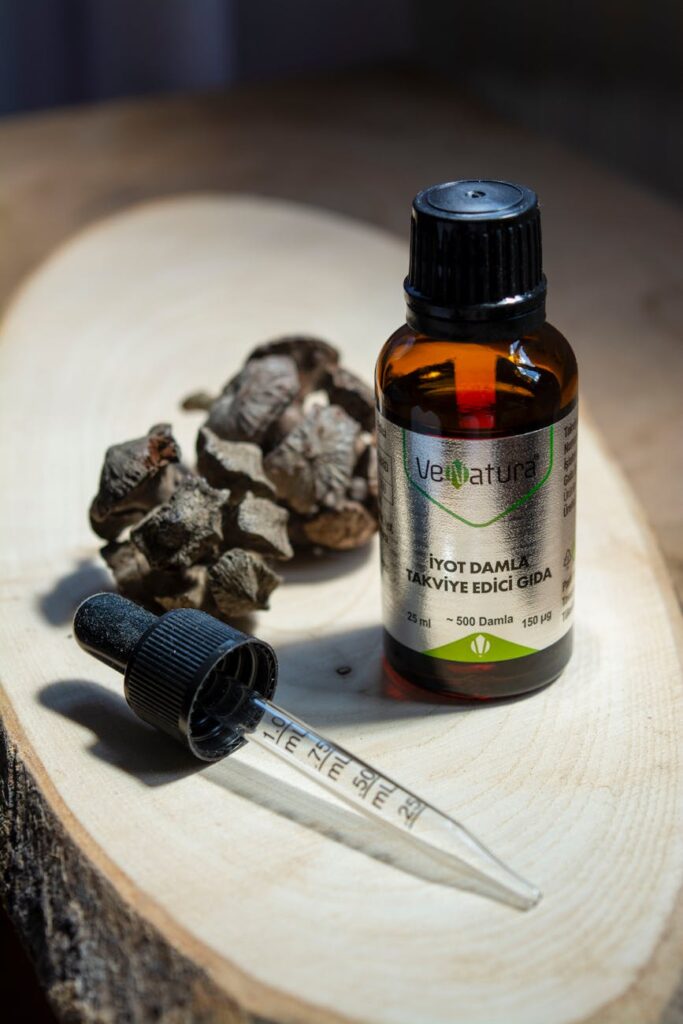
Complete Guide to Walnut Oil Part 4
Introduction
Walnut oil has garnered attention for its rich nutritional profile and diverse applications in cooking, cosmetics, and aromatherapy. This guide aims to provide comprehensive insights into walnut oil, exploring its characteristics, benefits, common uses, and safety considerations. Whether you are a culinary enthusiast, a skincare aficionado, or interested in the world of essential oils, understanding walnut oil can enhance your knowledge and experience.
What Is Walnut Oil?
Walnut oil is extracted from the nuts of the walnut tree, primarily from the species Juglans regia, commonly known as the English walnut or Persian walnut. The oil is obtained through cold-pressing the nuts, which helps retain its rich flavor and nutritional properties.
The oil has a distinct, nutty aroma and a golden to dark amber color. It is known for its high content of polyunsaturated fatty acids, particularly omega-3 and omega-6 fatty acids, which are essential for maintaining overall health. Walnut oil is also rich in antioxidants, vitamins, and minerals, contributing to its versatility in various applications.
Key Benefits and Properties
Nutritional Profile
Walnut oil is celebrated for its impressive nutritional content. It contains:
- Omega-3 Fatty Acids: These essential fats are known for their anti-inflammatory properties.
- Omega-6 Fatty Acids: Important for brain function and overall growth.
- Vitamin E: An antioxidant that protects cells from oxidative stress.
- Phytosterols: Compounds that may help lower cholesterol levels.
Antioxidant Properties
The antioxidants present in walnut oil, such as polyphenols, help combat free radicals in the body, potentially reducing the risk of chronic diseases and supporting overall wellness.
Skin Benefits
Walnut oil is often used in skincare formulations due to its moisturizing properties. It can help nourish the skin, improve elasticity, and may assist in soothing conditions like dryness and irritation.
Common Uses
Culinary Applications
In the culinary world, walnut oil is prized for its rich, nutty flavor. It is often used as a finishing oil, drizzled over salads, vegetables, or pasta dishes for added flavor. Due to its low smoke point, it is not recommended for high-heat cooking methods such as frying.
Skincare
Walnut oil is a popular ingredient in cosmetic products, including lotions, creams, and oils. Its moisturizing properties make it suitable for various skin types. It can also be blended with other carrier oils or essential oils for enhanced benefits.
Hair Care
Walnut oil can be used in hair care products to promote shine and manageability. Its nourishing properties may help improve the health of the scalp and hair, making it a valuable addition to hair masks and conditioners.
Aromatherapy Applications
In the realm of aromatherapy, walnut oil is often used as a carrier oil. While it is not an essential oil itself, it can be blended with essential oils to enhance their therapeutic effects.
Blending with Essential Oils
Walnut oil can be combined with various essential oils to create custom blends. It works well with oils like lavender, rosemary, and chamomile, creating soothing and calming mixtures suitable for massage or diffusion.
Massage
Due to its smooth texture and nourishing properties, walnut oil is an excellent choice for massage therapies. It glides easily over the skin, providing a luxurious experience while delivering the benefits of both the oil and any essential oils used in the blend.
Safety Considerations
While walnut oil is generally safe for most people, there are some precautions to consider:
Allergies
Individuals with nut allergies should avoid walnut oil, as it can trigger allergic reactions. Always conduct a patch test before using walnut oil topically, especially for those with sensitive skin.
Quality and Purity
When purchasing walnut oil, opt for high-quality, cold-pressed varieties to ensure the best flavor and nutritional benefits. Check for certifications and quality assurances to avoid adulterated products.
Storage
Walnut oil should be stored in a cool, dark place to maintain its freshness and prevent rancidity.
Storage and Shelf Life
Proper Storage
To prolong the shelf life of walnut oil, it is recommended to store it in a dark glass bottle, away from heat sources and direct sunlight. A refrigerator can also be a suitable storage option, especially in warmer climates.
Shelf Life
The shelf life of walnut oil is generally around 6 to 12 months, depending on the storage conditions and the oil’s quality. Always check for any off smells or changes in appearance before use; these may indicate that the oil has gone rancid.
Frequently Asked Questions
1. Can walnut oil be used for cooking?
Yes, walnut oil is commonly used in cooking, particularly as a finishing oil. However, due to its low smoke point, it is not suitable for high-heat cooking methods.
2. Is walnut oil suitable for all skin types?
Walnut oil is generally safe for most skin types, but those with nut allergies or sensitive skin should conduct a patch test before applying it topically.
3. How do I incorporate walnut oil into my skincare routine?
Walnut oil can be used as a standalone moisturizer or blended with other carrier oils and essential oils. It can also be added to homemade skincare formulations.
4. Can walnut oil be used in hair care?
Yes, walnut oil can be beneficial for hair care. It can be used in hair masks, conditioners, or as a leave-in treatment to enhance shine and manageability.
5. Are there any contraindications for using walnut oil?
While walnut oil is safe for most individuals, people with nut allergies should avoid it. Always consult with a healthcare professional for personalized advice.
Conclusion
Walnut oil is a versatile oil with a rich nutritional profile and a myriad of applications in culinary, skincare, and aromatherapy practices. Its unique flavor and health benefits make it a valuable addition to any kitchen or beauty regimen. By understanding its properties, uses, and safety considerations, you can make the most of walnut oil in your daily life.