
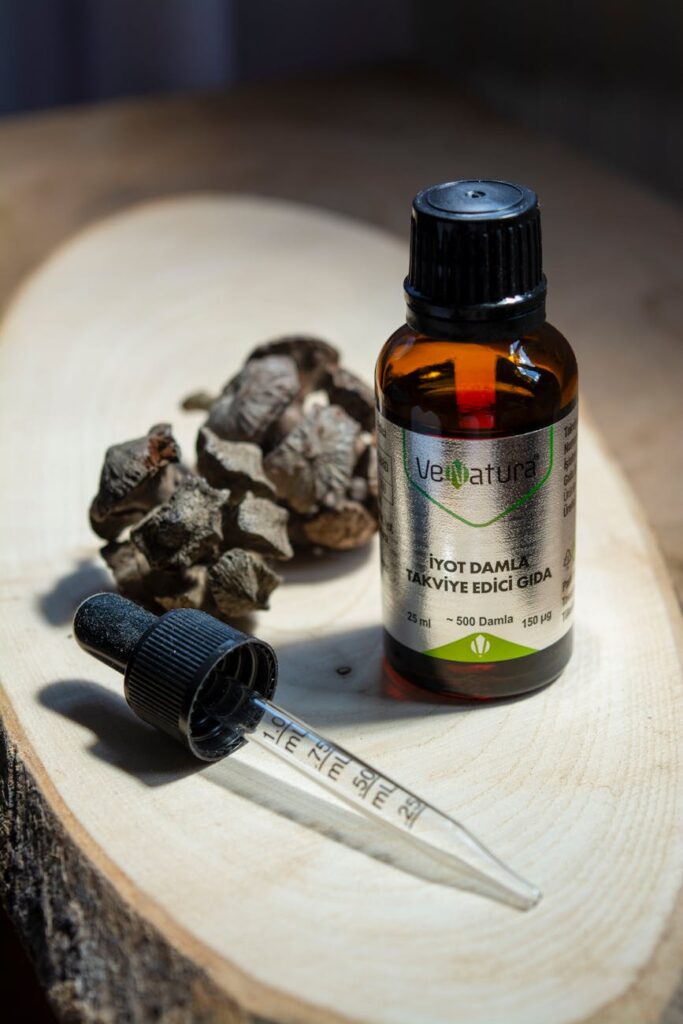
Complete Guide to Walnut Oil Part 6
Introduction
Walnut oil, derived from the nuts of the walnut tree (Juglans regia), is a versatile oil known for its culinary applications, nutritional benefits, and potential therapeutic properties. This guide aims to provide a comprehensive overview of walnut oil, exploring its origins, benefits, uses, and safety considerations, particularly in the context of aromatherapy and holistic practices.
What Is Walnut Oil?
Walnut oil is extracted from the dried seeds of the walnut tree, primarily through cold-pressing methods that preserve its flavor and nutritional content. It is characterized by a rich, nutty flavor and is often used as a finishing oil in culinary applications. The oil is typically light to medium in color, ranging from pale yellow to golden brown, and has a distinct aroma that adds depth to various dishes.
In addition to its culinary applications, walnut oil has garnered attention in the fields of skincare and aromatherapy due to its beneficial properties. Understanding its composition, including fatty acids and antioxidants, can shed light on why walnut oil is valued both in the kitchen and beyond.
Key Benefits and Properties
Walnut oil is rich in essential fatty acids, particularly alpha-linolenic acid (ALA), an omega-3 fatty acid that is essential for human health. Some of the noteworthy benefits and properties of walnut oil include:
- Nutritional Profile: Walnut oil contains a high concentration of polyunsaturated fats, including omega-3 and omega-6 fatty acids, which are vital for heart health and overall well-being.
- Antioxidant Properties: The oil is also rich in antioxidants, such as vitamin E, which help combat oxidative stress and may contribute to skin health.
- Anti-Inflammatory Effects: Some studies suggest that walnut oil may have anti-inflammatory properties, potentially providing relief for conditions associated with inflammation.
- Skin Conditioning: Walnut oil is often used in cosmetic formulations for its moisturizing properties. It is easily absorbed by the skin, making it an excellent choice for topical applications.
- Cognitive Benefits: Due to its omega-3 content, walnut oil may support cognitive functions and overall brain health.
- Salad Dressings: Its rich flavor profile makes walnut oil an excellent base for salad dressings.
- Cooking: While it can be used for sautéing and roasting, it is best used at low temperatures to preserve its delicate flavor and nutritional content.
- Finishing Oil: Walnut oil can be drizzled over dishes just before serving to enhance flavor.
- Baking: It can be incorporated into baked goods for a nutty flavor.
- Moisturizer: Walnut oil is often included in lotions and creams due to its hydrating properties.
- Massage Oil: Its smooth texture makes it suitable for massage applications.
- Hair Care: It can be used as a hair oil to promote shine and manageability.
- Carrier Oil for Blends: Walnut oil can be blended with essential oils such as lavender, rosemary, or eucalyptus for topical use, enhancing the overall aromatic experience.
- Massage Therapy: The oil’s smooth texture allows for easy application during massages, providing both therapeutic and fragrant benefits.
- Skin Care: When mixed with essential oils, walnut oil can be applied to the skin to promote hydration and nourishment, enhancing the effects of the added essential oils.
- Aromatherapy Diffusers: Although not typically diffused on its own, walnut oil can be combined with essential oils and placed in diffusers for a soothing aromatic experience.
- Allergies: Individuals with nut allergies should avoid walnut oil, as it may trigger allergic reactions.
- Skin Sensitivity: Although walnut oil is suitable for most skin types, it is recommended to conduct a patch test prior to widespread use to check for any adverse reactions.
- Quality of Oil: Ensure that the walnut oil you purchase is cold-pressed and organic to minimize exposure to pesticides and chemicals.
- Consultation: For those with specific health concerns or conditions, it is advisable to consult with a healthcare professional before integrating walnut oil into dietary or skincare routines.
- Storage Conditions: Keep walnut oil in a cool, dark place away from direct sunlight and heat sources. The oil should be stored in a tightly sealed container to prevent oxidation.
- Shelf Life: When stored properly, walnut oil typically has a shelf life of about 6 to 12 months. Always check for off odors or changes in color or texture before use, as these may indicate spoilage.
Common Uses
Walnut oil can be employed in various domains, making it a valuable addition to both kitchens and wellness routines. Here are some common uses:
Culinary Uses
Cosmetic and Skincare Uses
Aromatherapy Applications
Walnut oil is not commonly used as a standalone essential oil in aromatherapy; however, it can serve as a carrier oil for essential oils, allowing for the safe application of concentrated plant extracts.
Aromatherapy Applications
In the context of aromatherapy, walnut oil serves primarily as a carrier oil, which is used to dilute essential oils before topical application. Carrier oils help to dilute the potency of essential oils, making them safe for skin application. Here are some common practices involving walnut oil in aromatherapy:
Safety Considerations
While walnut oil is generally considered safe for most people when used appropriately, there are some important safety considerations to keep in mind:
Storage and Shelf Life
Proper storage is essential for maintaining the quality and shelf life of walnut oil. Here are some guidelines to follow:
Frequently Asked Questions
1. Can walnut oil be used for cooking?
Yes, walnut oil can be used for cooking, but it is best suited for low to medium-heat applications. It is often used as a finishing oil or in salad dressings to preserve its flavor and nutritional benefits.
2. Is walnut oil safe for all skin types?
While walnut oil is generally safe for most skin types, individuals with nut allergies should avoid it. Always perform a patch test before using it on larger skin areas.
3. How can walnut oil benefit my hair?
Walnut oil can help improve hair texture and shine when used as a treatment or conditioner. It may also provide hydration to dry or damaged hair.
4. Can walnut oil be used in aromatherapy?
Yes, walnut oil is commonly used as a carrier oil in aromatherapy, allowing for the safe application of essential oils.
5. How should walnut oil be stored?
Walnut oil should be stored in a cool, dark place in a tightly sealed container to maximize its shelf life, which typically ranges from 6 to 12 months.
Conclusion
Walnut oil is a multifaceted oil with a rich history and a wide array of applications. From its culinary versatility to its potential benefits in skincare and aromatherapy, walnut oil holds a prominent place in both health and wellness practices. Whether you are incorporating it into your cooking or using it as part of your skincare regimen, understanding the properties and uses of walnut oil can enhance your appreciation for this remarkable oil. Always ensure to use high-quality sources and consult with professionals when needed to maximize its benefits safely.