
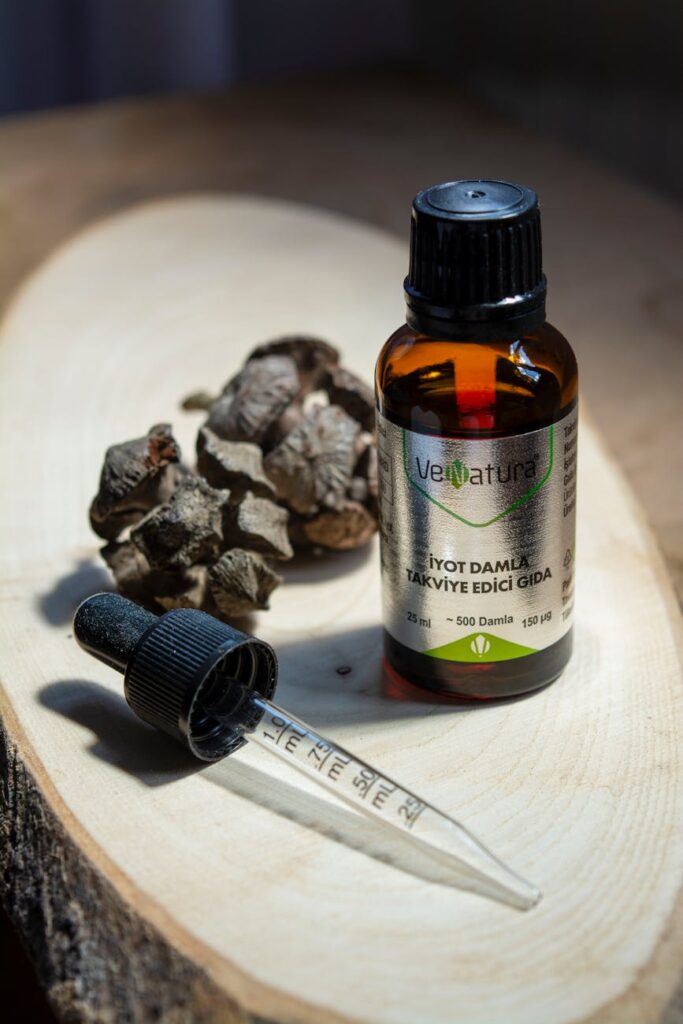
Complete Guide to Walnut Oil Part 7
Introduction
Walnut oil, derived from the seeds of the walnut tree (Juglans regia), has been valued for centuries for its culinary, cosmetic, and therapeutic properties. This versatile oil is not only a staple in various cuisines but also plays a significant role in holistic practices such as aromatherapy. This guide aims to provide a comprehensive overview of walnut oil, exploring its benefits, uses, and safety considerations.
What Is Walnut Oil?
Walnut oil is extracted from the nuts of the walnut tree, primarily through cold-pressing, which helps retain its nutritional and aromatic properties. The oil has a rich, nutty flavor and is characterized by its golden-brown color. It is commonly used in cooking, as a salad dressing, and as a flavor enhancer. Beyond its culinary applications, walnut oil has garnered attention for its potential benefits in skincare and aromatherapy.
Key Benefits and Properties
Nutritional Profile
Walnut oil is rich in essential fatty acids, particularly omega-3 and omega-6, which are crucial for maintaining overall health. It also contains antioxidants such as vitamin E, which can help combat oxidative stress in the body. The oil’s unique composition contributes to its numerous benefits:
- Heart Health: The omega-3 fatty acids in walnut oil may support cardiovascular health by promoting healthy cholesterol levels.
- Skin Health: Due to its moisturizing properties, walnut oil is often used in skincare formulations to hydrate and nourish the skin.
- Anti-Inflammatory Properties: The oil’s components may help reduce inflammation when applied topically or consumed.
- Salad Dressings: Its rich flavor makes it an excellent base for vinaigrettes and dressings.
- Cooking: Although it has a lower smoke point than some other oils, walnut oil can be used for light sautéing and drizzling over cooked dishes.
- Flavor Enhancer: It can be added to dips, marinades, and sauces to impart a nutty taste.
- Moisturizers: Its emollient properties make it an effective moisturizer for dry skin.
- Hair Care: Walnut oil can be used in hair masks and conditioners to promote shine and manageability.
- Massage Oils: With its smooth texture, walnut oil is a popular choice for massage blends.
- Relaxation Blends: Walnut oil can be blended with calming essential oils such as lavender or chamomile to create a soothing massage oil or bath additive.
- Inhalation: When combined with essential oils in a diffuser, walnut oil can help create an inviting and cozy atmosphere.
- Allergies: Individuals with nut allergies should exercise caution when using walnut oil, as it may trigger allergic reactions.
- Skin Sensitivity: A patch test is recommended before using walnut oil topically, especially for those with sensitive skin.
- Consumption: When using walnut oil in cooking, it is advisable to store it properly to prevent rancidity.
- Storage: Keep walnut oil in a cool, dark place, away from direct sunlight and heat. A cabinet or pantry is ideal.
- Container: Store it in a dark glass bottle to minimize light exposure, which can degrade the oil.
- Shelf Life: Unopened walnut oil can last for about 1-2 years, while opened oil should ideally be used within 6-12 months for optimal freshness.
Aromatic Qualities
Walnut oil has a distinct, warm, and nutty aroma that can evoke feelings of comfort and warmth. Its scent profile makes it a popular choice in aromatherapy, where it can enhance relaxation and promote a sense of well-being.
Common Uses
Culinary Applications
Walnut oil is prized for its flavor and versatility in the kitchen. Common culinary uses include:
Cosmetic Uses
In the realm of cosmetics, walnut oil is often found in:
Aromatherapy Applications
In aromatherapy, walnut oil can be used as a carrier oil, allowing essential oils to be safely applied to the skin. Its warm, nutty aroma can enhance the therapeutic effects of other essential oils. Some common applications include:
Safety Considerations
While walnut oil is generally considered safe for most individuals, there are some important considerations to keep in mind:
Storage and Shelf Life
To ensure the longevity and quality of walnut oil:
Frequently Asked Questions
1. Can walnut oil be used for cooking at high temperatures?
Walnut oil has a relatively low smoke point (around 320°F or 160°C), making it unsuitable for high-heat cooking methods like frying or searing. It is best used for salads, drizzling, or light sautéing.
2. Is walnut oil suitable for all skin types?
While walnut oil can benefit many skin types, individuals with nut allergies or very sensitive skin should conduct a patch test before applying it topically.
3. How do I incorporate walnut oil into my diet?
Walnut oil can be drizzled over salads, mixed into dips, or used in marinades. It can also be added to smoothies for an extra nutrient boost.
4. Can walnut oil help with hair care?
Yes, walnut oil can be beneficial for hair. It can help moisturize and add shine, making it a popular choice for hair masks and conditioners.
5. Are there any known interactions with other essential oils?
While walnut oil is generally safe as a carrier oil, it is advised to consult with a qualified aromatherapist or healthcare professional before combining it with other essential oils, especially if you are pregnant, nursing, or have underlying health conditions.
Conclusion
Walnut oil is a remarkable oil with a diverse range of applications in culinary arts, cosmetics, and aromatherapy. Its rich nutrient profile and distinct flavor make it a valuable ingredient in many households, while its potential therapeutic properties enhance its appeal in holistic practices. Whether you are looking to improve your culinary creations, nourish your skin, or explore the world of aromatherapy, walnut oil presents a world of possibilities. Always remember to be mindful of safety considerations and storage methods to make the most of this versatile oil.