
Complete Guide to Wintergreen Oil Safety
Introduction
Wintergreen oil, derived from the leaves of the Gaultheria procumbens plant, is a popular essential oil known for its distinct minty aroma and potential therapeutic properties. While its benefits are widely recognized, understanding safety considerations is crucial for responsible use. This guide aims to educate readers on the safety aspects of wintergreen oil, providing insights into its properties, common uses, and best practices for storage and application.
What Is Wintergreen Oil Safety?
Wintergreen oil safety refers to the practices and guidelines that ensure the safe use of this essential oil. Given its potent constituents, particularly methyl salicylate, wintergreen oil can pose risks if not used correctly. It is essential to be informed about its properties, potential effects, and proper handling to maximize benefits while minimizing adverse reactions.
Key Benefits and Properties
Wintergreen oil is celebrated for its various properties, making it a valuable addition to many households.
Key Properties:
- Analgesic: Known for pain-relieving qualities, wintergreen oil is often used in topical applications for muscle and joint discomfort.
- Anti-inflammatory: The oil’s anti-inflammatory properties can help reduce swelling and redness in affected areas.
- Antiseptic: Wintergreen oil possesses antiseptic qualities, making it useful in cleansing formulations.
- Relaxing Aroma: Its strong, minty scent can promote relaxation and mental clarity, making it favorable for use in aromatherapy.
- Muscle and Joint Relief: Athletes often utilize wintergreen oil for post-exercise recovery.
- Respiratory Support: The oil may help clear nasal passages and support respiratory health when inhaled.
- Mood Enhancement: Its invigorating aroma can uplift spirits and improve focus.
- Topical Applications: Frequently found in muscle rubs, creams, and ointments for localized relief.
- Aromatherapy: Used in diffusers and inhalers to create an energizing atmosphere.
- Household Products: Commonly included in cleaning solutions due to its antiseptic properties.
- Flavoring Agent: Occasionally used in culinary applications, though caution is advised due to its potency.
- Diffusion: Adding a few drops to a diffuser can help fill a space with its refreshing scent.
- Inhalation: Direct inhalation from the bottle or via steam inhalation can support respiratory function and mental clarity.
- Blending: Wintergreen oil can be blended with carrier oils for massage or added to bathwater for a soothing experience.
- Never use undiluted: Always dilute wintergreen oil with a carrier oil, such as coconut or jojoba oil, before applying it to the skin. A common dilution ratio is 1-2 drops of essential oil per teaspoon of carrier oil.
- Patch Test: Conduct a patch test before extensive use to determine if skin irritation occurs. Apply a diluted drop on a small area and wait 24 hours.
- Avoid sensitive areas: Keep away from eyes, mucous membranes, and broken skin.
- Caution with internal use: Ingesting wintergreen oil is not recommended unless under the supervision of a qualified professional. Its high concentration of methyl salicylate can be toxic in large amounts.
- Keep away from children: Store wintergreen oil out of reach, as ingestion can be harmful.
- Pet safety: Consult a veterinarian before using wintergreen oil around pets, as some essential oils can be toxic to animals.
- Consult healthcare providers: Pregnant or nursing individuals should seek advice from healthcare professionals before using wintergreen oil.
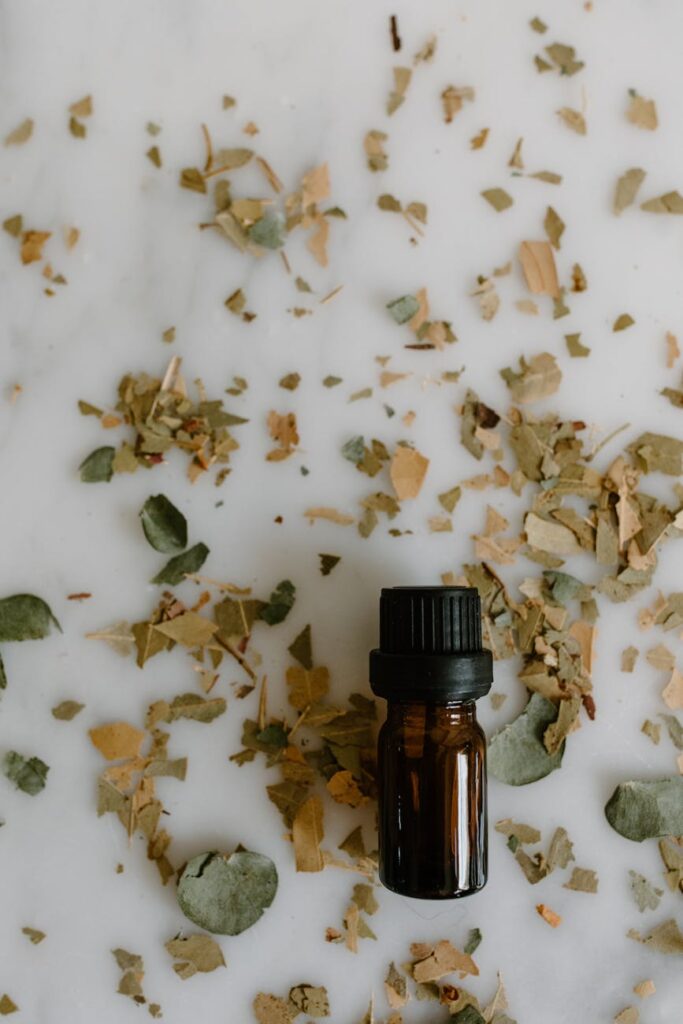
- Container: Store in a dark glass bottle to protect it from light exposure.
- Temperature: Keep in a cool, dry place away from direct sunlight and heat sources.
- Shelf Life: Typically, wintergreen oil has a shelf life of 2-3 years if stored correctly. However, it’s always prudent to check for any changes in smell or appearance.
Benefits:
Common Uses
Wintergreen oil has a variety of applications across different domains:
Aromatherapy Applications
In aromatherapy, wintergreen oil is often utilized for its invigorating and uplifting properties. It can enhance emotional well-being and promote relaxation. Here are some common methods of application:
When using wintergreen oil for aromatherapy, it is essential to consider individual sensitivities to scents and essential oils.
Safety Considerations
While wintergreen oil offers various benefits, it is crucial to adhere to safety guidelines to avoid adverse effects:
Dilution
Skin Sensitivity
Ingestion
Children and Pets
Pregnancy and Nursing
Storage and Shelf Life
Proper storage of wintergreen oil is essential for maintaining its quality and efficacy:
Frequently Asked Questions
1. Is wintergreen oil safe for topical use?
Yes, wintergreen oil can be safe for topical use when properly diluted. Always perform a patch test first to check for skin sensitivity.
2. Can I ingest wintergreen oil?
Ingestion of wintergreen oil is not recommended without professional guidance due to its potential toxicity in large amounts.
3. Can wintergreen oil be used during pregnancy?
It is advisable to consult a healthcare provider before using wintergreen oil during pregnancy or nursing.
4. How should I store wintergreen oil?
Store wintergreen oil in a dark glass bottle in a cool, dry place away from sunlight and heat to maintain its quality.
5. What are the signs of wintergreen oil going bad?
Changes in smell, appearance, or viscosity can indicate that wintergreen oil has degraded. If you notice any of these signs, it is best to discard the oil.
6. Can wintergreen oil be used with other essential oils?
Yes, wintergreen oil can be blended with other essential oils. However, consider the individual properties and potential interactions of the oils being combined.
7. How can I use wintergreen oil for muscle relief?
Dilute wintergreen oil with a carrier oil and gently massage it onto the affected area. For enhanced effects, combine it with other essential oils known for muscle relief.
Conclusion
Wintergreen oil can be a valuable asset in your essential oil collection, offering a range of benefits from pain relief to uplifting aromas. However, safety should always be a priority. By understanding proper usage, storage, and potential risks, you can safely incorporate wintergreen oil into your wellness routine. Always remember that responsible usage and awareness of individual sensitivities are key to enjoying the full benefits of this versatile essential oil.